Oxytocin Research Overview
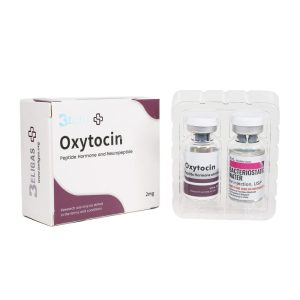
Oxytocin 5mg GENERIC is a nonapeptide hormone consisting of nine amino acids (Cys-Tyr-Ile-Gln-Asn-Cys-Pro-Leu-Gly-NH₂) with a disulfide bridge between cysteine residues at positions 1 and 6. This neurohypophyseal hormone is extensively studied in laboratory settings for its role in oxytocin receptor signaling pathways and neurobiological mechanisms. Researchers at Stroid UK Shop examine this compound’s molecular interactions with G-protein coupled receptors and its effects on intracellular calcium signaling cascades in cellular models.
The compound demonstrates high specificity for oxytocin receptors (OXTR) with nanomolar binding affinity, making it valuable for investigating receptor pharmacology and downstream signaling mechanisms. Research applications include examining oxytocin’s modulatory effects on neurotransmitter systems, particularly GABAergic and dopaminergic pathways in neural tissue preparations. Scientists studying oxytocin compounds investigate its role in cellular communication pathways and receptor desensitization mechanisms in controlled laboratory environments.
Laboratory Research Applications
Laboratory investigations with oxytocin focus on its molecular mechanisms of action at oxytocin receptors, which belong to the rhodopsin-type class A family of G-protein coupled receptors. Research studies examine how oxytocin binding triggers phospholipase C activation, leading to inositol trisphosphate formation and intracellular calcium mobilization in target cells. Scientists evaluate oxytocin’s effects on gene expression patterns, particularly regarding immediate early genes like c-fos and c-jun in neural cell cultures.
Comparative studies often examine oxytocin alongside other research compounds available through SARM collections and peptide research libraries to understand cross-receptor interactions and signaling pathway convergence. Researchers investigate oxytocin’s modulation of ion channel activity, particularly calcium and potassium channels, in electrophysiological studies using patch-clamp techniques.
Compound Specifications
| Parameter | Specification |
|---|---|
| CAS Number | 50-56-6 |
| Molecular Formula | C₄₃H₆₆N₁₂O₁₂S₂ |
| Molecular Weight | 1007.19 g/mol |
| Purity | Verify with supplier |
| Storage | -20°C, protect from light |
| Solubility | Water soluble |
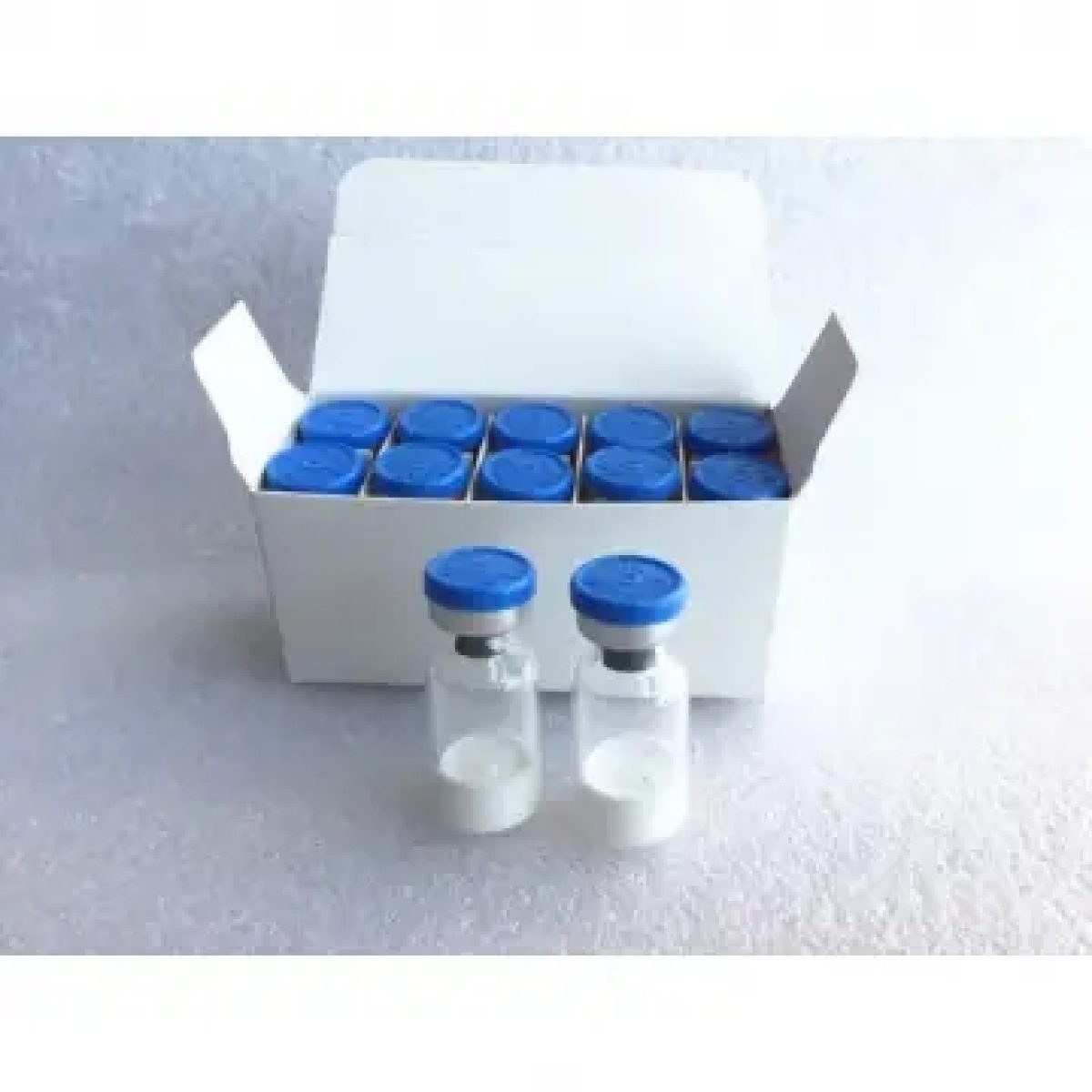
| Appearance | White lyophilized powder |
Research Compliance
This oxytocin preparation is manufactured exclusively for in-vitro laboratory research applications and is not intended for human consumption, therapeutic use, or any other non-research purposes. Researchers must maintain appropriate laboratory safety protocols and institutional oversight when conducting studies with this compound. All investigations should comply with relevant research guidelines and institutional review board requirements for peptide hormone research.