Research Overview: MOD GRF 1-29 Peptide Analysis
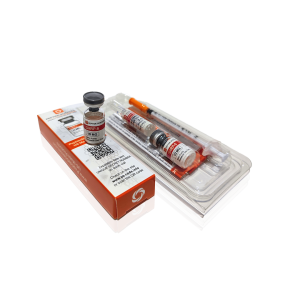
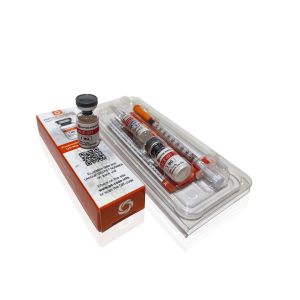
MOD GRF 1-29 is a synthetic growth hormone releasing hormone (GHRH) analogue specifically modified to enhance stability and research applications in laboratory environments. This peptide represents a shortened version of the naturally occurring GHRH sequence, engineered to study growth hormone secretion mechanisms and cellular regeneration pathways. Research institutions investigating peptide-mediated hormone release frequently examine this compound for its unique molecular properties and potential applications in endocrinological studies. The modified structure provides researchers at Stroid UK Shop with a stable platform for investigating growth hormone dynamics in controlled laboratory conditions.
Laboratory Research Applications
Scientists studying MOD GRF 1-29 investigate its mechanisms in growth hormone release pathways, examining how synthetic GHRH analogues interact with cellular receptors in vitro. Research applications include studying pituitary gland function, investigating peptide stability under various laboratory conditions, and examining the molecular interactions between modified growth hormone releasing factors and their target receptors. Comparative studies often evaluate this compound alongside other peptides available in our muscle building products category, providing researchers with comprehensive data on peptide behaviour. Laboratory investigations frequently analyse the compound’s stability profile, receptor binding affinity, and potential synergistic effects when studied in combination with other research compounds from our SARMs collection or peptides range.
Technical Specifications
| Parameter | Specification |
|---|---|
| Chemical Name | Modified Growth Releasing Factor 1-29 |
| Molecular Formula | Verify with supplier |
| Molecular Weight | Verify with supplier |
| Purity | ≥98% by HPLC |
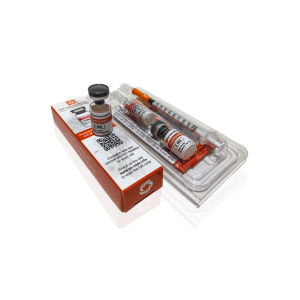
| Vial Content | 5mg lyophilised powder |
| Storage | -20°C, protect from light |
Research Compliance Statement
MOD GRF 1-29 5mg is supplied exclusively for in-vitro laboratory research purposes. This product is not intended for human consumption, therapeutic use, or any application outside controlled research environments. Researchers must ensure appropriate laboratory safety protocols and comply with institutional guidelines when handling this research compound.