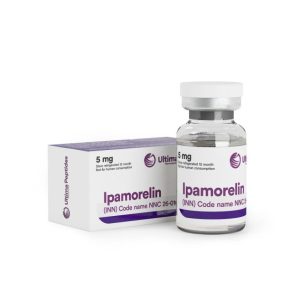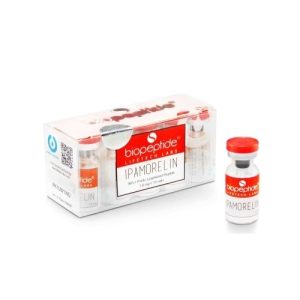
Ipamorelin at a Glance
Ipamorelin is a selective growth hormone secretagogue peptide belonging to the ghrelin receptor agonist class. This synthetic pentapeptide represents a refined approach to growth hormone pathway research, offering researchers at Stroid UK Shop enhanced selectivity compared to earlier GHRP analogues. The compound functions as a potent ghrelin receptor agonist whilst maintaining specificity that distinguishes it from other growth hormone releasing compounds in preclinical studies.
Laboratory Applications
Research teams investigate Ipamorelin’s mechanisms within the growth hormone axis, particularly its ability to stimulate growth hormone release without significantly affecting cortisol or prolactin levels in experimental models. Studies have evaluated this peptide’s selectivity profile, demonstrating reduced interference with other hormonal pathways compared to traditional growth hormone secretagogues. The compound has progressed through Phase II clinical trials for post-surgical ileus, providing researchers with clinical-grade reference data. Investigators studying ipamorelin peptide research applications examine its potential for understanding growth hormone regulation mechanisms. The peptide’s stability profile and binding characteristics make it suitable for various in-vitro receptor binding studies and cellular response investigations. Researchers also analyse Ipamorelin alongside other compounds available in our SARMS collection and broader peptide research category to understand comparative mechanisms within growth hormone pathways.
Technical Specifications
| Parameter | Value |
|---|---|
| Molecular Weight | 711.85 g/mol |
| CAS Number | 170851-70-4 |
| Molecular Formula | Verify with supplier |
| Peptide Class | Growth hormone secretagogue |
| Purity Grade | Research grade |
| Storage Requirements | -20°C (lyophilised powder) |
| Quantity | 2mg per vial |
Research Compliance
This Ipamorelin 2mg preparation is manufactured strictly for in-vitro research applications and laboratory investigations. The compound is not intended for human consumption, therapeutic applications, or any form of clinical administration. Researchers must ensure proper laboratory protocols and appropriate handling procedures when conducting studies with this peptide. All investigations should comply with institutional research guidelines and applicable regulations governing peptide research compounds.