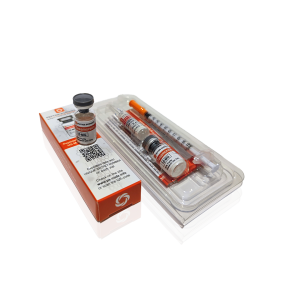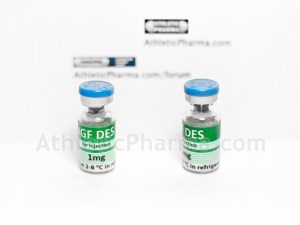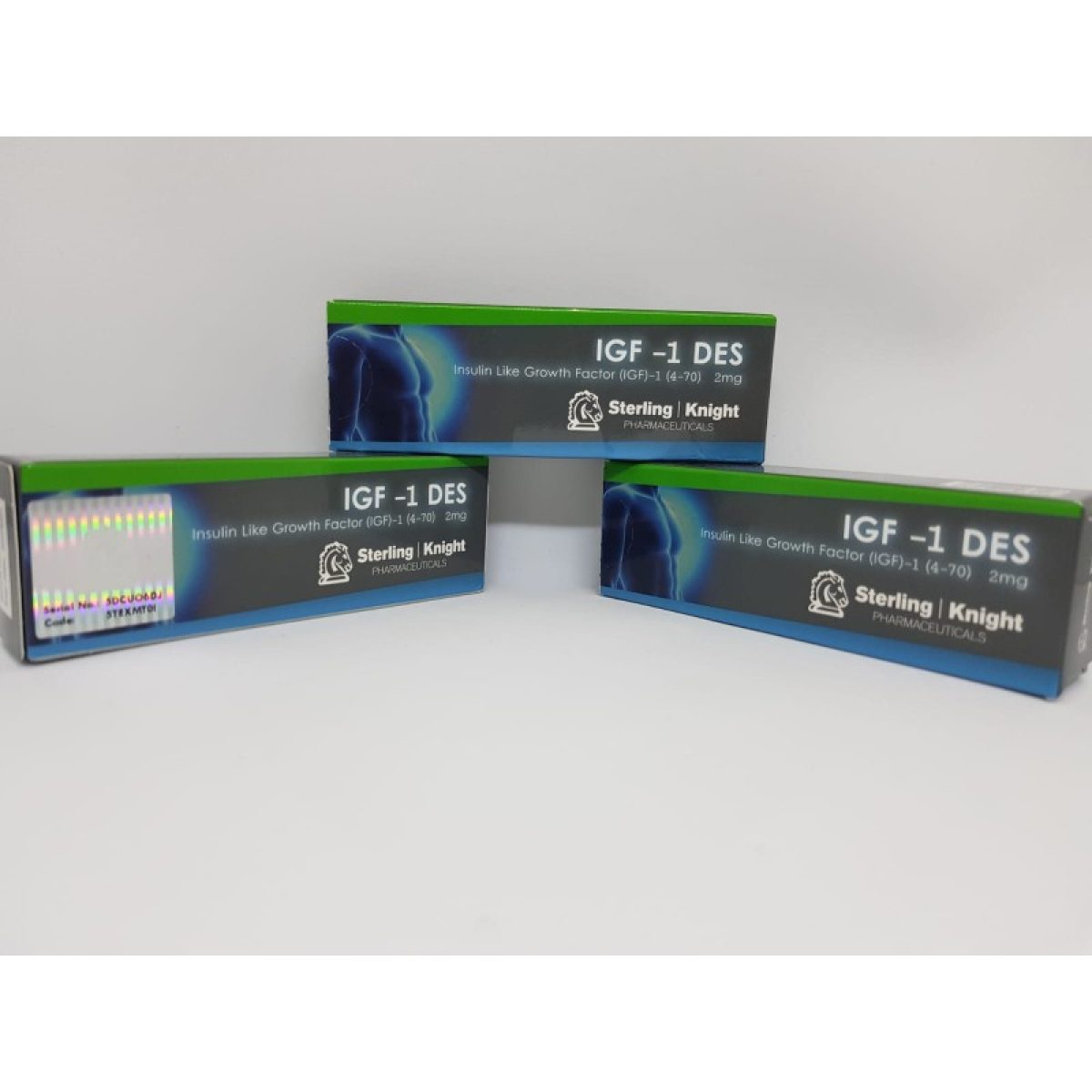
Research Overview: IGF-1 DES Sterling Knight
IGF-1 DES is a truncated form of insulin-like growth factor-1, specifically engineered for laboratory research applications. This modified peptide variant represents a potent research tool for scientists investigating cellular growth mechanisms, protein synthesis pathways, and metabolic regulation in controlled experimental environments. Researchers at Stroid UK Shop can access this high-purity compound for comprehensive in-vitro studies examining IGF-1 receptor interactions and downstream signalling cascades.
Laboratory Research Applications
Scientific investigations utilising IGF-1 DES focus on examining cellular proliferation mechanisms, protein synthesis regulation, and growth factor receptor binding kinetics. Research teams study this compound’s interaction with IGF-1 receptors to understand localised growth factor signalling without systemic interference. Laboratory protocols examine how this truncated peptide variant demonstrates enhanced potency compared to full-length IGF-1 in tissue culture models. Studies investigate its role in cellular metabolism, nutrient partitioning mechanisms, and anabolic pathway activation. Researchers exploring peptide research compounds often compare IGF-1 DES with other growth factors to understand differential receptor binding affinities and cellular responses.
Technical Specifications
| Parameter | Specification |
|---|---|
| Peptide Content | 2mg per vial |
| Molecular Formula | Verify with supplier |
| Molecular Weight | Verify with supplier |
| Purity | ≥98% by HPLC |
| Storage Conditions | -20°C, protected from light |
| Solubility | Water-soluble |
Research teams studying advanced peptide compounds often investigate IGF-1 DES alongside selective androgen receptor modulators and other research peptides to understand complex anabolic signalling networks in cellular models.
Research Compliance Statement
IGF-1 DES Sterling Knight is manufactured exclusively for in-vitro research purposes and laboratory investigations. This product is not intended for human consumption, therapeutic use, or any application outside controlled scientific research environments. Researchers must ensure proper laboratory protocols, safety procedures, and regulatory compliance when handling this research compound.