Research Applications of Humulin R Insulin
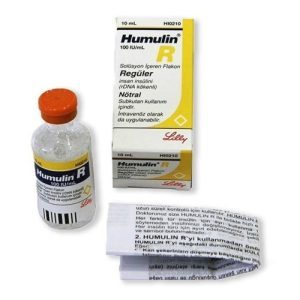
Humulin R is a recombinant human insulin preparation manufactured by Lilly for laboratory research applications. This biosynthetic insulin mimics the structure and biological activity of endogenous human insulin, making it valuable for investigating glucose homeostasis mechanisms, cellular metabolism pathways, and pancreatic beta cell function. Researchers at Stroid UK Shop utilise this preparation to examine insulin receptor binding kinetics, signal transduction cascades, and downstream metabolic effects in controlled experimental conditions.
Metabolic Research Investigations
Scientists studying endocrine disorders frequently examine how insulin influences glucose uptake, glycogen synthesis, and lipid metabolism in various cell culture models. This preparation enables detailed analysis of insulin sensitivity markers, GLUT4 transporter activity, and PI3K/Akt signalling pathway modulation. Research teams investigating diabetes mellitus mechanisms can evaluate how different insulin concentrations affect cellular glucose utilisation and storage processes. The 100IU vial concentration provides researchers with precise dosing control for dose-response experiments and comparative studies alongside other metabolic research compounds.
Specification Data
| Active Ingredient | Human Insulin (rDNA origin) |
|---|---|
| Concentration | 100 Units per mL |
| Presentation | Injectable solution vial |
| Manufacturer | Lilly |
| Storage Requirements | Refrigerated (2-8°C) |
| pH Range | 7.0-7.8 |
Research laboratories studying hormone interactions often compare insulin effects with other investigational compounds including selective androgen receptor modulators and growth factor peptides to understand complex metabolic regulatory networks. This pharmaceutical-grade preparation ensures consistent experimental outcomes across multiple research protocols.
Laboratory Research Compliance
This product is manufactured exclusively for in-vitro research purposes and laboratory investigations only. Not intended for human consumption, therapeutic use, or any clinical applications. Researchers must follow appropriate safety protocols and institutional guidelines when handling this material. All studies should be conducted under proper laboratory conditions with adequate safety measures and regulatory oversight.