Research Overview of Humalog Kwikpen Mix 50
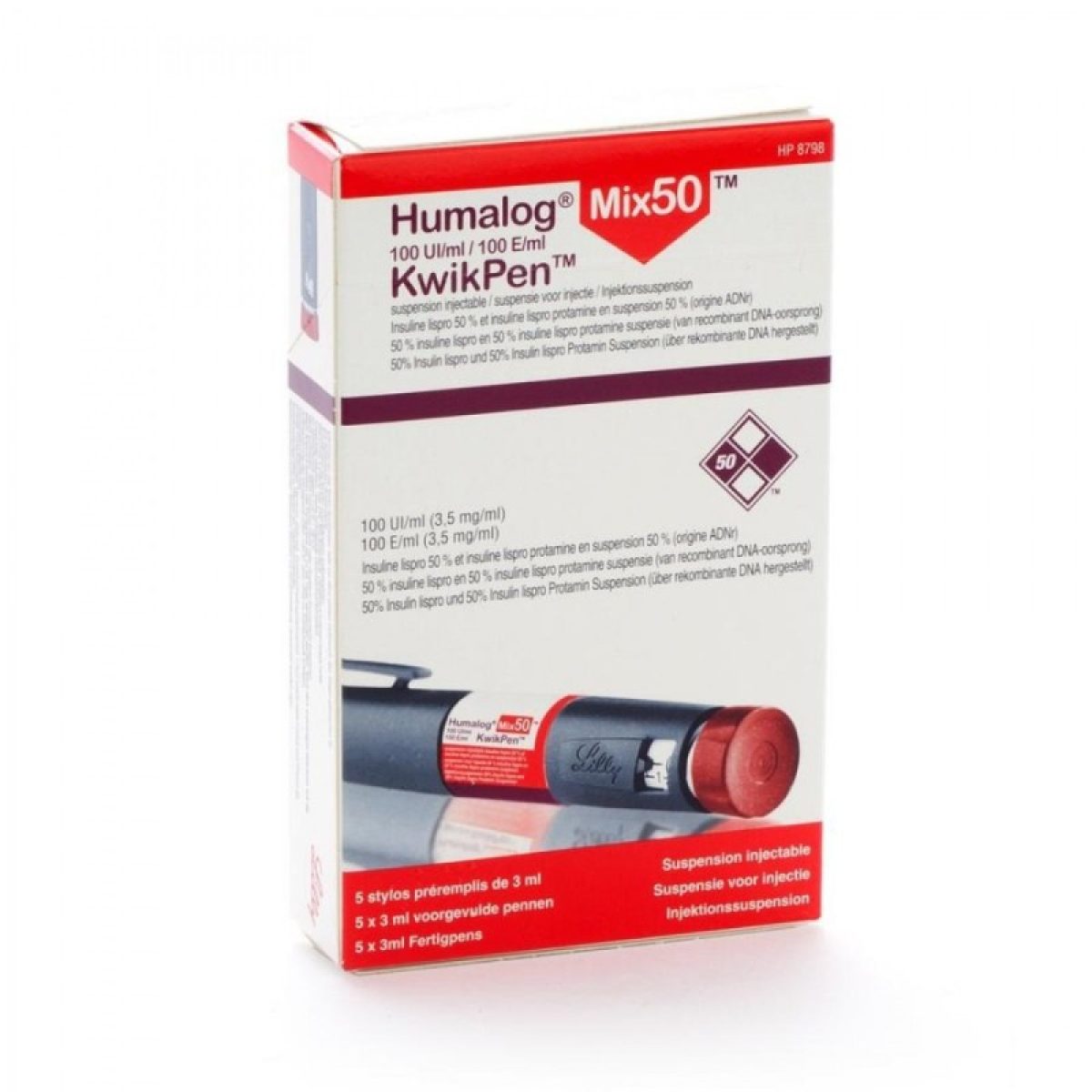
Humalog Kwikpen Mix 50 is a rapid-acting insulin analogue formulation containing insulin lispro protamine suspension and insulin lispro injection. This research-grade pharmaceutical compound from Eli Lilly provides investigators with a standardised tool for studying glucose metabolism, insulin signalling pathways, and metabolic homeostasis in laboratory settings. The formulation combines 50% rapid-acting insulin lispro with 50% intermediate-acting protamine-suspended insulin lispro, offering researchers a biphasic insulin profile for comprehensive metabolic studies.
As a leading Stroid UK Shop, we recognise the importance of high-quality insulin analogues in diabetes research. This formulation enables investigation of postprandial glucose responses, insulin sensitivity mechanisms, and metabolic pathway modulation. Researchers studying endocrine function, pancreatic beta-cell biology, and glucose transport mechanisms will find this compound valuable for in-vitro and animal model studies. The pre-filled pen format ensures consistent dosing for experimental protocols requiring precise insulin administration.
Laboratory Applications and Research Context
Investigators utilise Humalog Kwikpen Mix 50 to examine insulin pharmacokinetics, glucose homeostasis regulation, and metabolic syndrome pathways. The rapid onset characteristics of insulin lispro make it particularly suitable for studying immediate postprandial glucose responses in experimental models. Research applications include investigation of insulin resistance mechanisms, glucose uptake studies in muscle and adipose tissue, and evaluation of metabolic pathway interactions. The formulation’s biphasic profile allows researchers to study both acute and sustained insulin effects within single experimental protocols.
Studies examining diabetes pathophysiology often require precise insulin control to establish baseline metabolic conditions or investigate therapeutic interventions. This formulation supports research into incretin hormone interactions, hepatic glucose production mechanisms, and peripheral insulin sensitivity. Researchers working with insulin research compounds frequently incorporate this analogue into protocols studying metabolic flexibility, glucose transporter expression, and pancreatic islet function. The standardised pharmaceutical preparation ensures reproducible results across experimental batches.
Product Specifications and Storage
| Parameter | Specification |
|---|---|
| Active Ingredients | 50% insulin lispro, 50% insulin lispro protamine suspension |
| Manufacturer | Eli Lilly and Company |
| Presentation | Pre-filled pen injector |
| Storage Conditions | 2-8°C refrigerated storage, protect from light |
| Stability | Verify expiration dating with supplier documentation |
| Research Grade | Pharmaceutical standard for laboratory use |
The pen format provides researchers with precise dosing capabilities essential for experimental protocols requiring accurate insulin administration. Storage under refrigerated conditions maintains compound stability and ensures consistent research outcomes. Investigators should verify specific concentration details and stability data through supplier documentation. The pharmaceutical-grade preparation meets stringent quality standards required for reproducible research applications.
Research Compliance and Legal Status
Similar to compounds found in our SARMS and peptides categories, this insulin analogue is supplied exclusively for legitimate laboratory research purposes. Investigators must maintain appropriate research protocols, institutional oversight, and proper documentation when utilising this compound in experimental studies. The pharmaceutical formulation requires proper handling procedures and disposal methods consistent with laboratory safety standards.
This product is supplied strictly for in-vitro research and laboratory analysis only. Not approved for human consumption, therapeutic use, or any application outside controlled research environments. Researchers must comply with institutional guidelines and applicable regulations governing insulin research compound handling and storage.