Research Overview: HCG 5000 IU Analysis
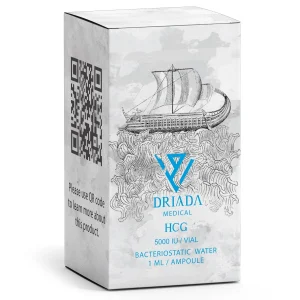
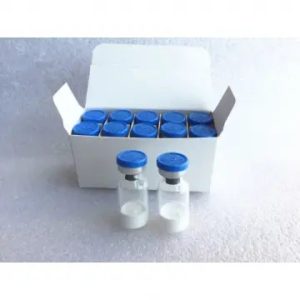
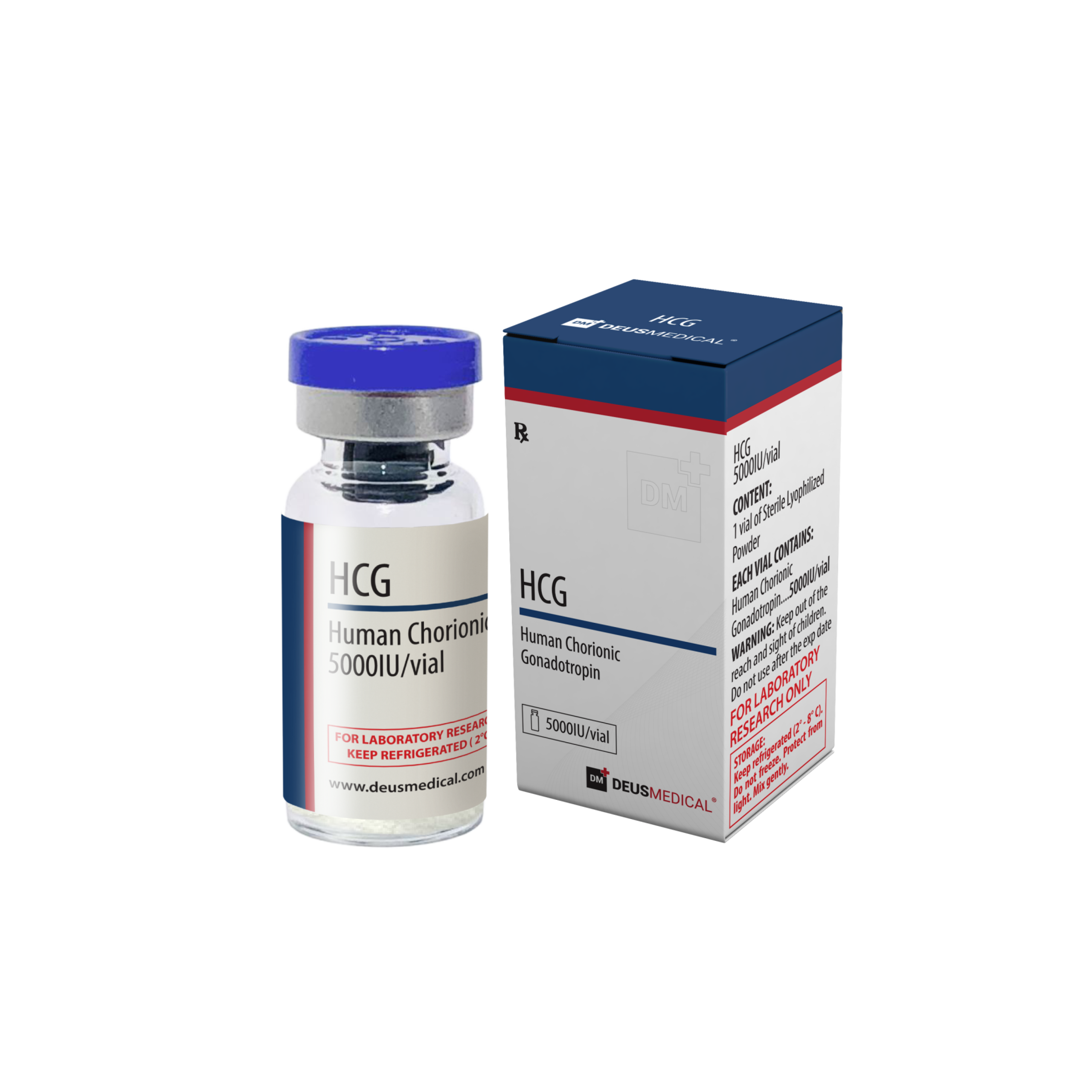
HCG 5000 IU (Human Chorionic Gonadotropin) is a glycoprotein hormone extensively studied for its unique molecular properties and biological mechanisms. Research institutions examine this compound’s structural characteristics and receptor binding profiles in controlled laboratory environments. The 5000 IU formulation provides researchers with standardised potency for consistent experimental protocols. Investigators at Stroid UK Shop utilise this compound alongside other research materials for comprehensive endocrinological studies.
Laboratory Research Applications
Scientific investigations focus on HCG’s interaction with luteinising hormone receptors and its role in gonadotropin signalling cascades. Research teams analyse this compound’s molecular stability under various storage conditions and pH environments. Studies examine HCG’s glycosylation patterns and their influence on biological activity markers. Comparative analyses with post cycle therapy compounds provide insights into hormonal regulatory mechanisms. Laboratory protocols investigate optimal reconstitution methodologies for maintaining compound integrity during extended research periods.
Technical Specifications
| Parameter | Specification |
|---|---|
| Active Compound | Human Chorionic Gonadotropin |
| Potency | 5000 International Units |
| Form | Lyophilised powder |
| Purity | >99% (HPLC verified) |
| Molecular Weight | Approximately 36.7 kDa |
| Storage Temperature | 2-8°C (refrigerated) |
| Shelf Life | 36 months sealed |
| Solubility | Water soluble |
Research facilities studying selective androgen receptor modulators often incorporate HCG analysis for comprehensive hormonal pathway research. Advanced laboratories examining peptide compounds utilise HCG as a reference standard for glycoprotein hormone studies.
Research Compliance Statement
HCG 5000 IU is manufactured exclusively for in-vitro laboratory research applications. This compound is not intended for human consumption, therapeutic use, or any application outside controlled scientific research environments. Researchers must maintain appropriate laboratory safety protocols and regulatory compliance when handling this research material.