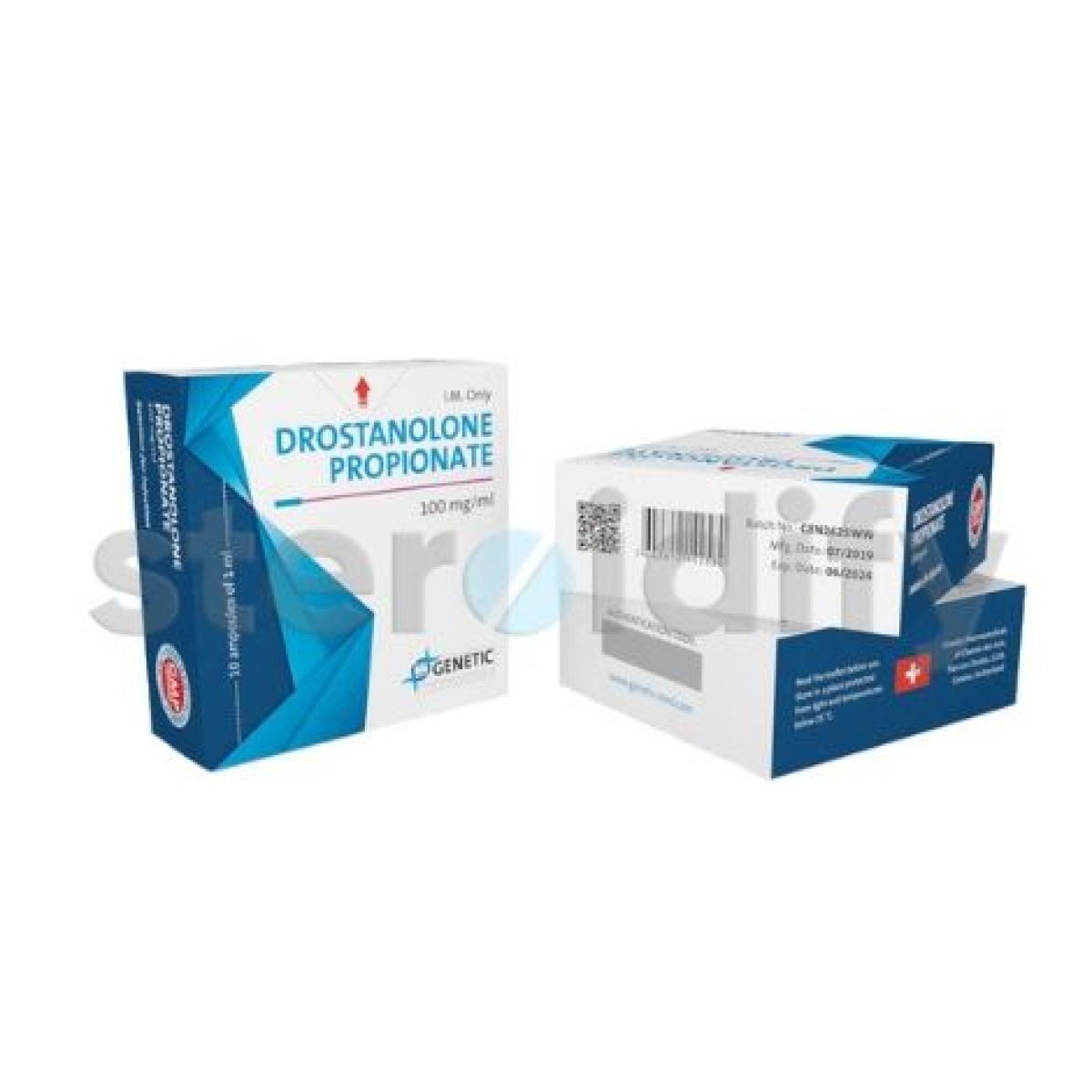

Drostanolone Propionate Laboratory Compound Overview
Drostanolone Propionate is a synthetic androgenic anabolic steroid derived from dihydrotestosterone (DHT) for controlled laboratory investigations. This compound features a propionate ester attachment that modulates its pharmacokinetic properties in research applications. Scientists at Stroid UK Shop supply this material exclusively for analytical chemistry and molecular biology studies. The compound exhibits unique structural characteristics that make it valuable for studying androgen receptor binding mechanisms and steroid biochemistry pathways in controlled research environments.
Scientific Research Applications
Research facilities examine drostanolone propionate in various analytical contexts including chromatography studies, receptor binding assays, and metabolic pathway investigations. The compound’s DHT-derived structure provides researchers with opportunities to study androgenic activity patterns and ester hydrolysis mechanisms. Laboratory teams utilising drostanolone propionate compounds investigate protein synthesis modulation, nitrogen retention effects, and cellular signaling cascades in tissue culture models. Advanced analytical techniques evaluate the compound’s interaction with steroid hormone receptors and enzymatic conversion pathways. Research protocols often compare drostanolone propionate with other selective androgen receptor modulators and peptide compounds to understand receptor selectivity profiles.
Technical Specifications
| Chemical Name | 17β-Hydroxy-2α-methyl-5α-androstan-3-one propanoate |
|---|---|
| CAS Number | 521-12-0 |
| Molecular Formula | C₂₃H₃₆O₃ |
| Molecular Weight | 360.53 g/mol |
| Storage Temperature | Room temperature, dry environment |
| Solubility | Organic solvents (DMSO, ethanol) |
Research Compliance Statement
This drostanolone propionate compound is manufactured by AMP Genetic Labs strictly for in-vitro research purposes only. The material is not intended for human consumption, therapeutic use, or any clinical applications. Researchers must handle this compound in appropriate laboratory settings with proper safety protocols and analytical equipment. All studies should be conducted by qualified personnel in licensed research facilities following institutional guidelines for steroid hormone research.