Research Overview: Drostanolone Propionate 100mg
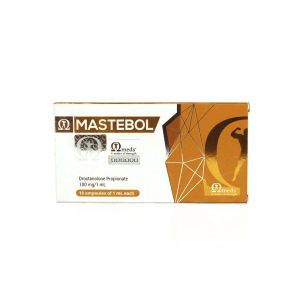
Drostanolone Propionate is a synthetic androgenic anabolic steroid compound derived from dihydrotestosterone (DHT) that has garnered significant attention in laboratory research environments. This modified steroid molecule features a propionate ester attachment, which influences its pharmacokinetic properties and molecular behaviour during in-vitro studies. Research scientists at Stroid UK Shop frequently investigate this compound’s structural characteristics and biochemical interactions. The Ergo formulation provides researchers with a standardised 100mg concentration suitable for precise analytical work and comparative studies across various research protocols.
Laboratory Research Applications
Scientific investigations into Drostanolone Propionate focus on examining its molecular binding affinity to androgen receptors and studying its structural modifications compared to the parent DHT molecule. Researchers analyse how the propionate ester influences solubility characteristics and stability profiles under controlled laboratory conditions. Comparative studies often examine this compound alongside other research materials available through specialised steroid research categories, enabling comprehensive molecular analysis. Laboratory protocols frequently investigate the compound’s chemical stability, degradation pathways, and interaction with various analytical instruments. Advanced research facilities also study the compound’s behaviour in different buffer systems and its compatibility with other research chemicals used in SARM-based investigations and peptide research applications.
Technical Specifications
| Parameter | Specification |
|---|---|
| Concentration | 100mg/ml |
| Chemical Formula | C23H36O3 |
| Molecular Weight | 360.54 g/mol |
| CAS Number | 521-12-0 |
| Storage Temperature | Room temperature, dry conditions |
| Purity | Verify with supplier |
Research Compliance Statement
This Drostanolone Propionate formulation is manufactured exclusively for in-vitro laboratory research purposes and is not intended for human consumption, veterinary use, or any therapeutic applications. Researchers must ensure proper safety protocols and regulatory compliance when handling this research chemical in accredited laboratory facilities.