Research Grade Dapoxetine Overview
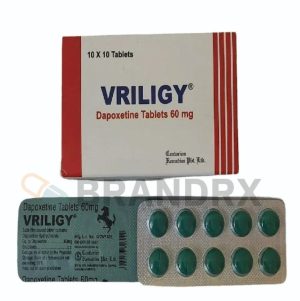
Dapoxetine is a selective serotonin reuptake inhibitor (SSRI) belonging to the class of serotonergic modulators extensively studied in neuropharmacology research. This compound was originally developed by Eli Lilly and represents a short-acting SSRI with distinct pharmacokinetic properties that differentiate it from traditional antidepressant medications. Researchers at Stroid UK Shop can access this laboratory-grade material for investigating serotonin transporter dynamics and rapid-onset neurochemical modulation in controlled experimental settings.
Laboratory Applications and Research Context
Scientific investigations utilise dapoxetine to examine rapid serotonergic system engagement, particularly focusing on its unique pharmacological profile characterised by fast absorption and elimination kinetics. Research models have demonstrated its selective inhibition of the serotonin transporter (SERT) with minimal interaction with other monoamine transporters, making it valuable for studying selective serotonergic mechanisms. Laboratory studies investigate its role in understanding neurotransmitter modulation, behavioural pharmacology, and the temporal dynamics of SSRI action. Researchers examining selective serotonin modulators frequently incorporate this compound into comparative analyses with other neuropharmacological agents including selective androgen receptor modulators and neuropeptide research compounds to understand complex receptor interactions.
Technical Specifications
| Parameter | Value |
|---|---|
| Chemical Name | Dapoxetine |
| CAS Number | 119356-77-3 |
| Molecular Formula | C₂₁H₂₃NO |
| Molecular Weight | 305.42 g/mol |
| Classification | Selective Serotonin Reuptake Inhibitor |
| Storage Conditions | Room temperature, dry environment |
| Research Purity | Verify with supplier documentation |
Regulatory Compliance and Research Use
This product is manufactured exclusively for in-vitro laboratory research applications and is not intended for human consumption, therapeutic use, or any form of clinical application. Researchers must ensure proper laboratory safety protocols, appropriate storage conditions, and compliance with institutional research guidelines when handling this compound. All studies should be conducted within approved laboratory facilities with appropriate analytical equipment for compound verification and experimental monitoring.