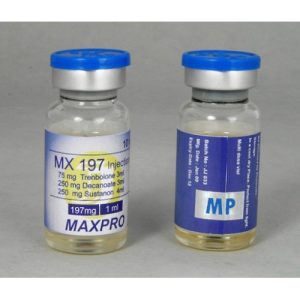

Research Overview: CYALIN Driada Medical
CYALIN by Driada Medical is a specialized research compound designed for in-vitro laboratory investigations. This analytical-grade material enables researchers at Stroid UK Shop to examine complex biochemical mechanisms and cellular interactions under controlled experimental conditions. The compound’s molecular profile makes it particularly valuable for studying receptor binding kinetics and cellular signaling pathways in laboratory settings.
Laboratory Applications
Research teams utilize CYALIN to investigate fundamental cellular processes, protein interactions, and metabolic pathway modulation. Scientists studying receptor pharmacology find this compound instrumental in examining binding affinity studies and downstream signaling cascades. The material’s stability profile enables extended research protocols across multiple experimental timepoints. Laboratory investigations commonly explore concentration-response relationships and comparative pharmacological analyses alongside other research materials from our specialized collection. Research applications extend to enzyme kinetic studies and cellular uptake mechanism investigations. Many laboratories incorporate CYALIN into multi-compound research protocols, often studying it alongside selective androgen receptor modulators and synthetic peptide compounds for comprehensive biochemical analysis.
Technical Specifications
| Parameter | Specification |
|---|---|
| Supplier | Driada Medical |
| Research Grade | Laboratory Standard |
| Storage Requirements | Cool, dry conditions |
| Molecular Details | Verify with supplier |
| Handling Protocol | Laboratory environment only |
| Quality Control | Batch tested |
Research Compliance
CYALIN by Driada Medical is manufactured exclusively for in-vitro research applications and laboratory analysis. This compound is not intended for human consumption, clinical use, or any application outside controlled research environments. All research must comply with applicable laboratory safety protocols and institutional guidelines. Researchers should maintain proper documentation of experimental procedures and adhere to established research ethics standards when conducting studies with this material.