Caber 1 Pharmaqo at a Glance
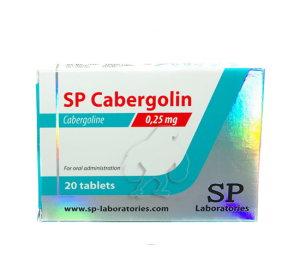
Cabergoline is a synthetic ergoline derivative and selective dopamine D2 receptor agonist extensively researched for its prolactin-inhibiting properties. This pharmaceutical-grade compound from Pharmaqo Labs represents a cornerstone research tool for investigating prolactin regulation, dopaminergic signalling pathways, and neuroendocrine mechanisms in controlled laboratory environments. At Stroid UK Shop, researchers can access this precisely formulated 1mg tablet presentation for detailed molecular studies examining dopamine receptor pharmacology and prolactin homeostasis mechanisms.
Research Applications
Scientific literature demonstrates cabergoline’s exceptional utility in prolactin suppression studies, with researchers examining its long-acting dopamine agonist properties across multiple experimental models. Laboratory investigations focus on its selective D2 receptor binding affinity, extended half-life characteristics, and dose-response relationships in prolactin regulation research. Comparative studies with other dopamine agonists highlight cabergoline’s superior selectivity profile and sustained biological activity. Research protocols examining post cycle therapy compounds frequently incorporate cabergoline as a reference standard for prolactin modulation studies. Advanced research teams investigating neuroendocrine interactions utilise this compound alongside SARMS and peptides in comprehensive hormonal pathway analyses, enabling sophisticated multi-target research protocols examining complex endocrine feedback mechanisms.
Product Specifications
| Chemical Name | Cabergoline |
|---|---|
| CAS Number | 81409-90-7 |
| Molecular Formula | C₂₆H₃₇N₅O₂ |
| Molecular Weight | 451.61 g/mol |
| Presentation | 1mg tablets |
| Storage | Room temperature, dry environment |
| Manufacturer | Pharmaqo Labs |
| Purity | Pharmaceutical grade |
Laboratory Compliance
This cabergoline preparation is manufactured exclusively for in-vitro research applications and laboratory analysis protocols. Not approved for human consumption, therapeutic use, or clinical applications. Researchers must ensure appropriate safety protocols, proper storage conditions, and compliance with institutional research guidelines when handling this compound. All studies should be conducted within approved laboratory facilities with appropriate oversight and documentation procedures.