Boldenone Undecylenate Research Overview
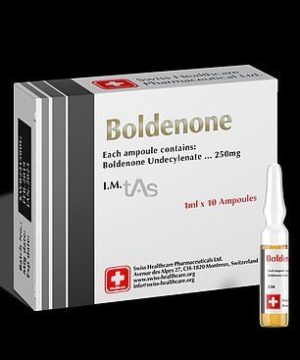
Boldenone undecylenate is a synthetic anabolic-androgenic steroid derived from testosterone with a double bond modification at the 1,2-position. This compound exhibits prolonged activity due to the undecylenate ester attachment, creating an extended-release formulation suitable for comprehensive research protocols. Kassel’s Bolde-K formulation delivers 250mg/ml concentration in a 10ml sterile vial format, optimised for laboratory investigations examining anabolic pathways and steroid metabolism. Research facilities studying hormone receptor interactions frequently utilise this compound to examine tissue-selective androgenic activity patterns and protein synthesis modulation mechanisms.
Laboratory Investigation Applications
Research teams analyse boldenone undecylenate to investigate its distinctive pharmacological profile, characterised by moderate anabolic activity coupled with reduced androgenic effects compared to testosterone. Laboratory studies examine its aromatisation potential, which appears minimal due to structural modifications that limit conversion to estrogenic metabolites. This compound serves as an excellent reference standard for researchers examining the relationship between steroid structure and biological activity. Analytical laboratories employ sophisticated detection methods to study its metabolic pathways and clearance kinetics, contributing to forensic toxicology databases. Researchers at Stroid UK Shop specialising in boldenone research can explore this compound alongside other selective modulators and peptide compounds for comparative analysis.
Technical Specifications
| Parameter | Specification |
|---|---|
| Active Compound | Boldenone Undecylenate |
| Concentration | 250mg/ml |
| Volume | 10ml vial |
| Manufacturer | Kassel |
| Molecular Formula | C₃₀H₄₄O₃ |
| Molecular Weight | 452.67 g/mol |
| CAS Number | 13103-34-9 |
| Storage | Room temperature, protect from light |
Research Compliance Statement
This boldenone undecylenate preparation is manufactured exclusively for in-vitro research applications and analytical testing procedures. It is not intended for human consumption, therapeutic use, or any application involving living subjects. Research facilities must ensure compliance with institutional review protocols and local regulations governing controlled substance research. All analytical work should be conducted by qualified personnel in appropriately equipped laboratories with proper safety protocols and waste disposal procedures in place.