
Methenolone Enanthate Research Overview
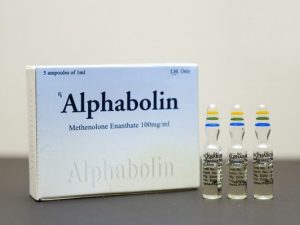
Methenolone Enanthate is a synthetic anabolic androgenic steroid derived from dihydrotestosterone, extensively investigated for its unique pharmacological profile in preclinical research. This long-acting esterified compound demonstrates selective tissue targeting properties, making it particularly valuable for researchers examining anabolic mechanisms without pronounced androgenic side effects. Laboratories at Stroid UK Shop utilise this compound to investigate muscle protein synthesis pathways and nitrogen retention mechanisms in controlled research environments.
Laboratory Research Applications
Research protocols evaluate Methenolone Enanthate’s effects on lean body mass preservation in cachexia models and its potential role in treating muscle-wasting conditions. Studies examine its interaction with androgen receptors in skeletal muscle tissue while investigating minimal hepatotoxicity profiles compared to oral anabolic compounds. The enanthate ester provides extended pharmacokinetic properties, allowing researchers to study sustained anabolic effects over prolonged observation periods. Investigations within methenolone research protocols focus on tissue-selective anabolic activity and therapeutic applications. Advanced researchers also examine comparative studies with selective androgen receptor modulators to evaluate different anabolic mechanisms.
Technical Specifications
| Parameter | Specification |
|---|---|
| Chemical Name | 17β-Hydroxy-1-methyl-5α-androst-1-en-3-one enanthate |
| CAS Number | 303-42-4 |
| Molecular Formula | C₂₇H₄₂O₃ |
| Molecular Weight | 414.62 g/mol |
| Concentration | 100mg/mL |
| Storage Temperature | Room temperature, protect from light |
Research groups studying metabolic modulators often incorporate this compound alongside peptide research to examine synergistic anabolic pathways and tissue-specific effects.
Research Compliance Statement
This Methenolone Enanthate product is manufactured exclusively for in-vitro laboratory research purposes and is not intended for human consumption, veterinary use, or any diagnostic applications. Researchers must maintain appropriate laboratory protocols and safety measures when handling this research chemical. All investigations must comply with institutional guidelines and applicable regulations governing research compound usage.