Laboratory Overview
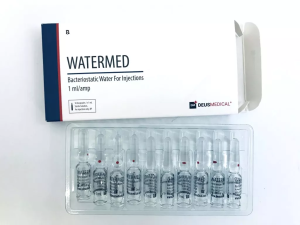
Bacteriostatic Water 10ml Intex Pharma is a sterile laboratory solvent specifically formulated to inhibit bacterial growth during research applications. This pharmaceutical-grade water contains 0.9% benzyl alcohol as a preservative, enabling researchers to safely reconstitute lyophilised peptides and compounds for in-vitro studies. Unlike standard sterile water, bacteriostatic water maintains its antimicrobial properties for extended periods, making it essential for laboratories conducting Stroid UK Shop requiring precise dilution and reconstitution protocols.
Research Applications and Protocols
Research scientists utilise bacteriostatic water for reconstituting peptide compounds, preparing stock solutions, and maintaining sterile conditions during experimental procedures. The benzyl alcohol preservative prevents bacterial contamination while allowing multiple withdrawals from a single vial over extended research periods. This makes it particularly valuable when working with expensive research compounds from bactericidal water solutions where contamination could compromise entire studies. Laboratories investigating SARMS compounds often require precise reconstitution protocols that demand pharmaceutical-grade solvents. Additionally, facilities researching peptide mechanisms rely on bacteriostatic water to maintain compound integrity throughout experimental timelines.
Technical Specifications
| Volume | 10ml |
|---|---|
| Manufacturer | Intex Pharma |
| Preservative | 0.9% Benzyl Alcohol |
| pH Range | 5.0-7.0 |
| Sterility | USP Standards |
| Storage | Room Temperature |
| Multiple Use | Up to 28 days |
| Osmolality | Verify with supplier |
Research Compliance Notice
Bacteriostatic Water 10ml Intex Pharma is manufactured exclusively for in-vitro research applications and laboratory use only. This product is not intended for human consumption, therapeutic use, or any clinical applications. Researchers must ensure proper laboratory protocols, appropriate safety measures, and compliance with institutional guidelines when handling this sterile solvent. All reconstitution procedures should be conducted in controlled laboratory environments by qualified personnel familiar with aseptic techniques and research safety protocols.