Azee — Research Summary
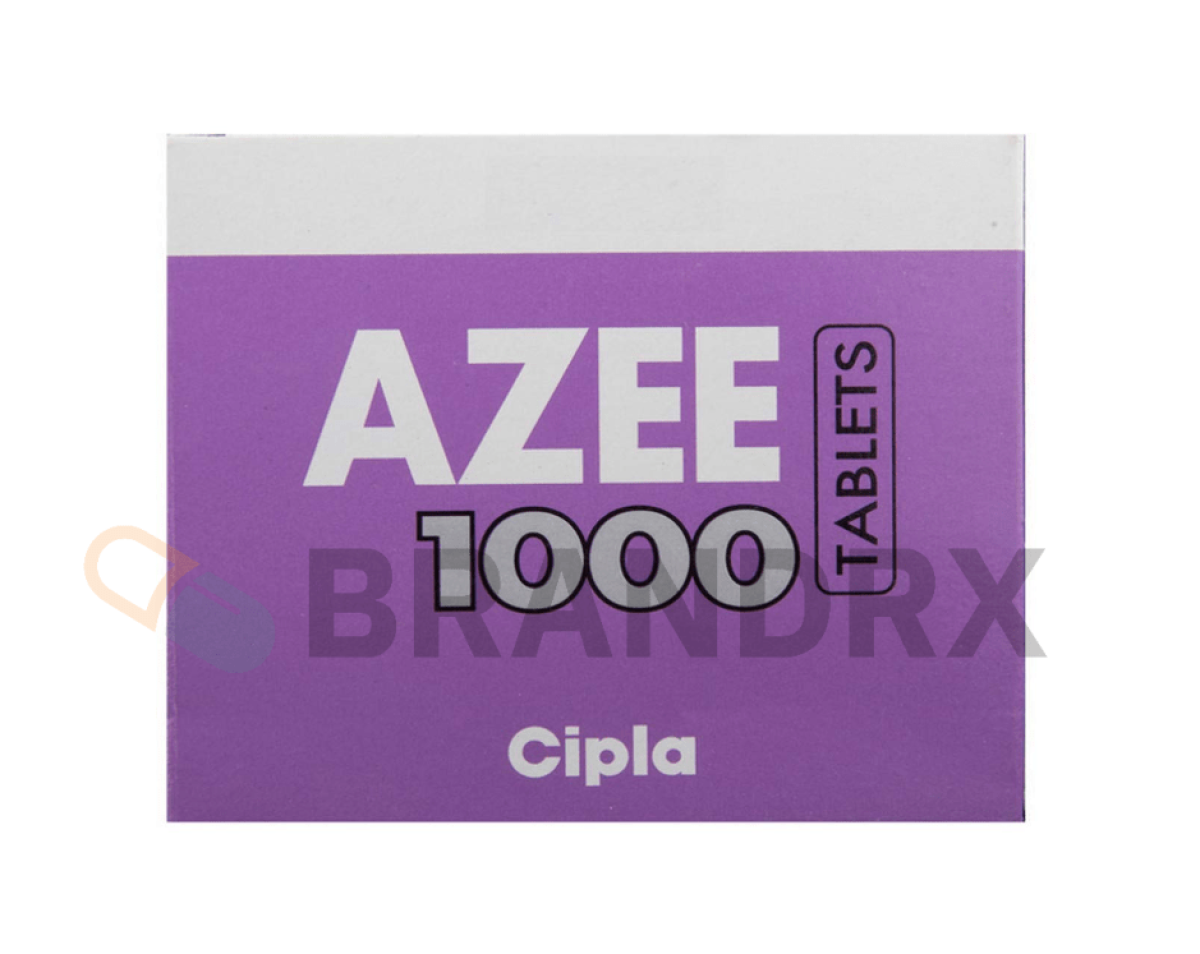
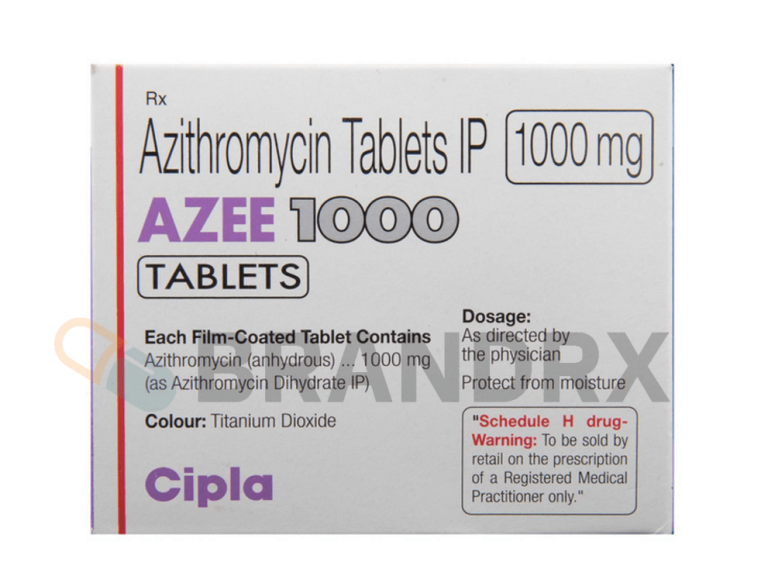
Azithromycin is a broad-spectrum macrolide antibiotic extensively studied for its antimicrobial properties across diverse bacterial species. This 1000mg formulation by Cipla represents a pharmaceutical-grade research standard for investigating macrolide mechanisms of action, bacterial resistance patterns, and minimum inhibitory concentration protocols in controlled laboratory environments. Researchers at Stroid UK Shop utilise azithromycin to examine protein synthesis inhibition pathways and ribosomal binding characteristics in bacterial cell cultures.
Laboratory Applications
This high-strength azithromycin preparation enables comprehensive antimicrobial susceptibility testing protocols and bacterial resistance mechanism investigations. Research teams study its effects on gram-positive and gram-negative organisms, particularly examining 50S ribosomal subunit binding affinity and protein synthesis disruption pathways. The compound proves valuable for investigating bacterial efflux pump mechanisms and comparing efficacy profiles against other macrolides in the antibiotics research category. Microbiologists also examine azithromycin’s anti-inflammatory properties beyond antimicrobial activity, studying cytokine modulation and neutrophil function in cellular assays.
Specifications
| Parameter | Value |
|---|---|
| Active Ingredient | Azithromycin |
| Strength | 1000mg per tablet |
| Manufacturer | Cipla Limited |
| CAS Number | 83905-01-5 |
| Molecular Formula | C₃₈H₇₂N₂O₁₂ |
| Molecular Weight | 748.98 g/mol |
Research teams frequently combine azithromycin studies with investigations into SARMs compounds to examine potential drug interactions and cellular uptake mechanisms. Additionally, peptide researchers exploring bioactive peptides investigate azithromycin’s effects on protein synthesis pathways that may influence peptide metabolism and cellular transport mechanisms.
Research Compliance
This azithromycin preparation is supplied exclusively for in-vitro laboratory research purposes. Not intended for human or animal consumption. Researchers must follow appropriate biosafety protocols and institutional guidelines when handling antimicrobial compounds in laboratory settings.