Ator 20 Sanovel: Compound Profile
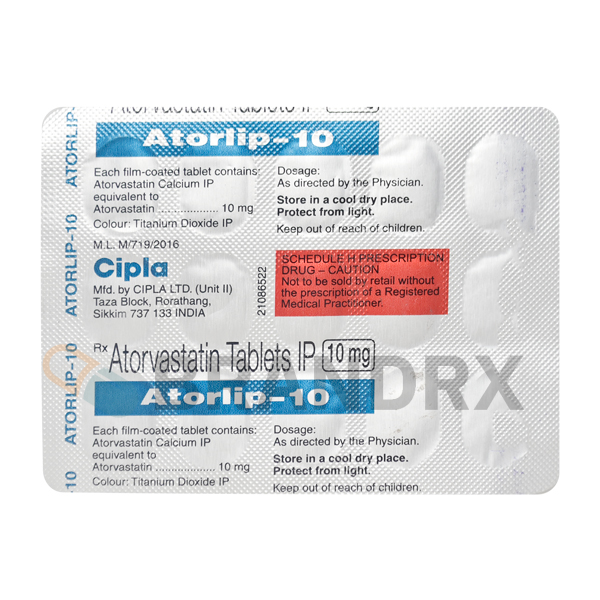
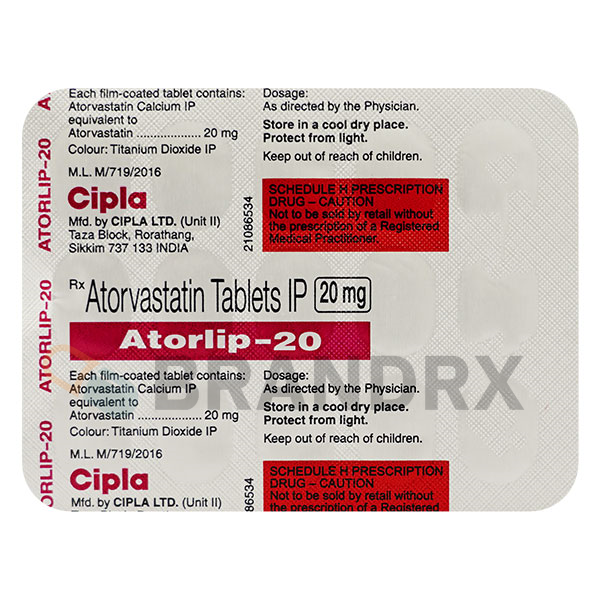
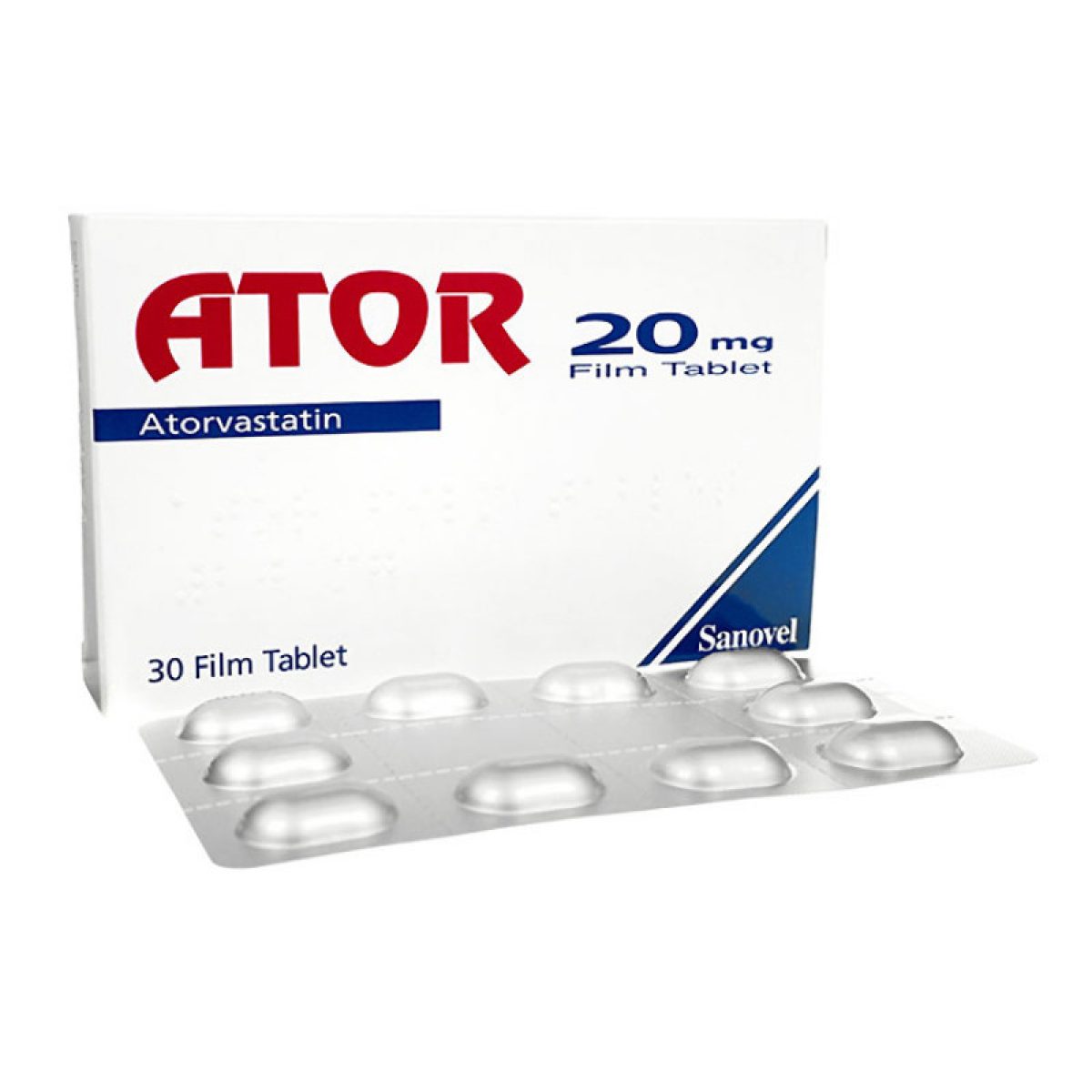
Ator 20 Sanovel is a pharmaceutical-grade atorvastatin formulation containing 20mg per tablet, manufactured by Sanovel for research applications. Atorvastatin is a synthetic HMG-CoA reductase inhibitor that represents one of the most extensively studied statins in cardiovascular and metabolic research. This compound selectively inhibits 3-hydroxy-3-methylglutaryl coenzyme A reductase, the rate-limiting enzyme in cholesterol biosynthesis. Research laboratories investigating lipid metabolism pathways, atherosclerosis models, and cardiovascular disease mechanisms rely on Stroid UK Shop for pharmaceutical-grade compounds like Ator 20 Sanovel.
Laboratory Applications
Researchers examine atorvastatin in various experimental contexts including cholesterol metabolism studies, endothelial function investigations, and inflammatory pathway modulation research. The compound demonstrates pleiotropic effects beyond cholesterol reduction in preclinical models, influencing nitric oxide bioavailability, oxidative stress markers, and cellular membrane stability. Academic institutions studying hypolipidemic drugs utilise this formulation to investigate dose-response relationships and molecular mechanisms of action. Research applications extend to hepatic metabolism studies, where scientists analyse the compound’s effects on cytochrome P450 enzyme systems and drug-drug interaction pathways.
Product Specifications
| Active Compound | Atorvastatin Calcium |
|---|---|
| Strength | 20mg per tablet |
| Manufacturer | Sanovel |
| CAS Number | 134523-00-5 |
| Molecular Formula | C₃₃H₃₄FN₂O₅ |
| Storage | Room temperature, dry conditions |
Laboratories studying metabolic modulators alongside atorvastatin often examine SARMs for comparative receptor binding studies, while cardiovascular research frequently incorporates peptides investigating vascular protection mechanisms.
Research Compliance
Ator 20 Sanovel is intended exclusively for in-vitro laboratory research and analytical testing. This pharmaceutical-grade compound is not approved for human consumption, therapeutic use, or clinical applications. Research institutions must ensure proper handling protocols, appropriate storage conditions, and compliance with institutional review requirements when conducting studies with this material.