
Product Overview: Asthalin
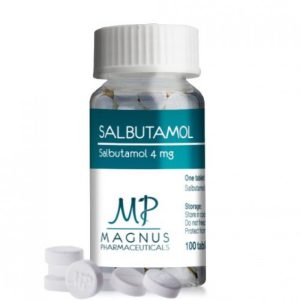
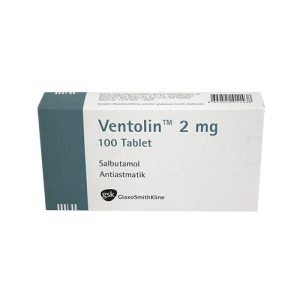
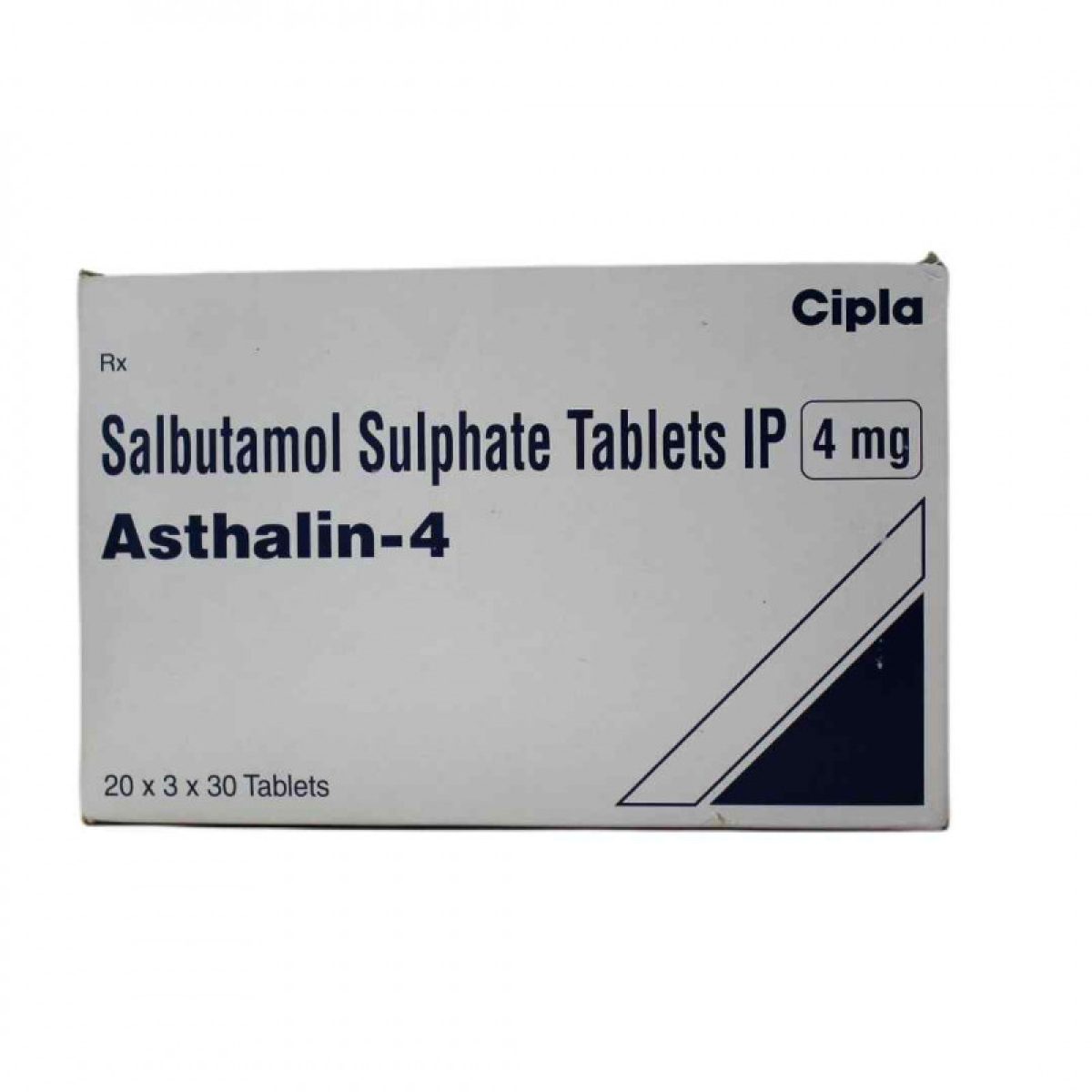
Asthalin 4mg is a pharmaceutical-grade salbutamol formulation developed by Cipla for advanced laboratory research applications. Salbutamol is a selective beta-2 adrenergic receptor agonist that serves as a critical reference compound in respiratory pharmacology investigations. This formulation enables researchers to examine bronchodilator mechanisms, smooth muscle relaxation pathways, and adrenergic receptor binding kinetics in controlled laboratory environments. The precise 4mg dosing provides standardised concentrations for reproducible experimental protocols across multiple research institutions.
Laboratory Applications
Research scientists investigating respiratory physiology utilise Asthalin for comprehensive studies of beta-2 adrenergic signalling cascades. The compound facilitates examination of cyclic adenosine monophosphate (cAMP) elevation pathways and their downstream effects on smooth muscle contractility. Pharmacokinetic researchers analyse salbutamol metabolism through cytochrome P450 systems, whilst receptor binding studies examine selectivity ratios between beta-1 and beta-2 adrenergic subtypes. Comparative efficacy investigations often benchmark Asthalin against other bronchodilator compounds available through reputable suppliers like Stroid UK Shop. Researchers studying salbutamol formulations frequently cross-reference results with investigations into selective androgen receptor modulators and research peptides to understand broader receptor pharmacology interactions.
Technical Specifications
| Parameter | Value |
|---|---|
| Active compound | Salbutamol |
| Strength | 4mg per unit |
| Manufacturer | Cipla |
| CAS number | 18559-94-9 |
| Molecular formula | C₁₃H₂₁NO₃ |
| Molecular weight | 239.31 g/mol |
| Storage conditions | Room temperature, dry environment |
| Research classification | Beta-2 adrenergic agonist |
Research Compliance Statement
Asthalin 4mg Cipla is supplied exclusively for in-vitro research purposes and laboratory analysis. This product is not intended for human consumption, clinical application, or therapeutic use. Research institutions must ensure appropriate handling protocols and maintain detailed laboratory records per institutional guidelines. All investigations should be conducted by qualified research personnel in appropriate laboratory facilities with proper safety equipment and waste disposal procedures.