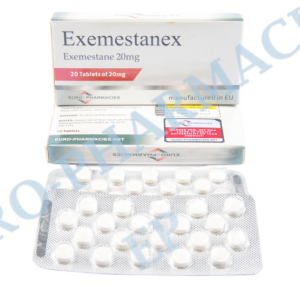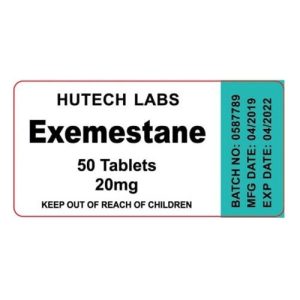

AROMEX Exemestane Research Overview
AROMEX exemestane is a pharmaceutical-grade steroidal aromatase inhibitor designed for advanced laboratory research into estrogen biosynthesis pathways and hormonal modulation mechanisms. This exemestane formulation enables researchers to investigate irreversible aromatase enzyme inhibition in controlled experimental settings. When examining hormonal research compounds, laboratories often study exemestane alongside other research chemicals available at Stroid UK Shop for comprehensive endocrine system investigations.
Laboratory Research Applications
Research laboratories utilise exemestane to examine irreversible aromatase inhibition mechanisms and their effects on estrogen synthesis pathways in cellular models. Studies investigate exemestane’s binding characteristics to the aromatase enzyme active site, forming covalent bonds that permanently inactivate the enzyme. This mechanism differs from reversible inhibitors, making exemestane valuable for research comparing inhibition strategies. Laboratory investigations examine exemestane’s effects on estradiol production in cellular assays, providing insights into estrogen-dependent pathways. Researchers studying exemestane aromatase inhibition often compare its irreversible mechanism to reversible inhibitors in parallel experiments.
Technical Specifications
| Parameter | Value |
|---|---|
| Active Compound | Exemestane |
| Compound Class | Steroidal aromatase inhibitor |
| CAS Number | 107868-30-4 |
| Molecular Formula | C₂₀H₂₄O₂ |
| Molecular Weight | 296.40 g/mol |
| Purity | Verify with supplier |
| Storage | Room temperature, dry environment |
AROMEX provides consistent exemestane content for reliable experimental reproducibility. Researchers conducting studies with other research compounds often examine exemestane alongside selective androgen receptor modulators and research peptides to evaluate multi-pathway hormonal interactions in complex experimental designs.
Research Compliance Information
AROMEX exemestane is supplied exclusively for in-vitro laboratory research applications and is not intended for human consumption, therapeutic use, or any application outside controlled laboratory environments. Researchers must ensure proper handling procedures and comply with all applicable regulations governing research chemical use in their jurisdiction.