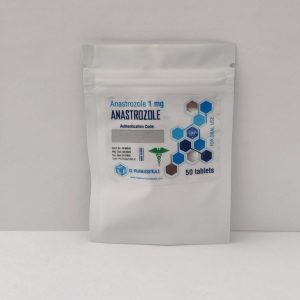


Research-Grade Anastrozole Overview
Arimidex Hilma Biocare contains anastrozole, a non-steroidal aromatase inhibitor that serves as a critical research tool in endocrine studies. Anastrozole is a competitive inhibitor of the aromatase enzyme (CYP19A1), effectively reducing estrogen biosynthesis in laboratory models. This pharmaceutical-grade compound enables researchers to investigate estrogen-dependent pathways and hormonal balance mechanisms. As researchers examine Stroid UK Shop, anastrozole remains an essential reference standard for aromatase inhibition studies.
Laboratory Research Applications
Research scientists utilise anastrozole to study estrogen receptor signalling, endocrine disruption models, and hormonal regulation mechanisms in controlled laboratory environments. The compound’s selective aromatase inhibition makes it valuable for investigating breast cancer cell lines, bone metabolism research, and reproductive endocrinology studies. Researchers working with aromatase inhibitors frequently employ anastrozole to evaluate estrogen-dependent gene expression and cellular proliferation models. Additionally, metabolic researchers examine its effects on lipid profiles and body composition parameters in preclinical studies, while investigators studying selective modulators use it as a control compound. Clinical researchers also investigate anastrozole’s pharmacokinetics and tissue distribution patterns, complementing studies conducted with other research compounds including bioactive peptides.
Chemical Specifications
| Parameter | Specification |
|---|---|
| Active Compound | Anastrozole |
| CAS Number | 120511-73-1 |
| Molecular Formula | C₁₇H₁₉N₅ |
| Molecular Weight | 293.37 g/mol |
| Purity | Verify with supplier |
| Storage | Room temperature, dry |
| Form | Tablet |
Research Use Compliance
This product is manufactured by Hilma Biocare exclusively for in-vitro research applications and laboratory studies. Arimidex is not intended for human consumption, therapeutic use, or any application outside controlled research environments. Researchers must ensure compliance with local regulations governing research chemical procurement and handling. All studies should be conducted by qualified laboratory personnel following appropriate safety protocols and institutional guidelines.