
Aquazide Research Overview
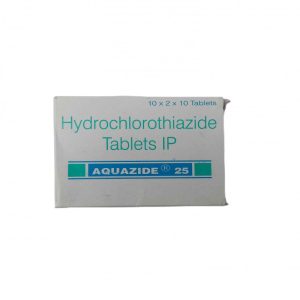
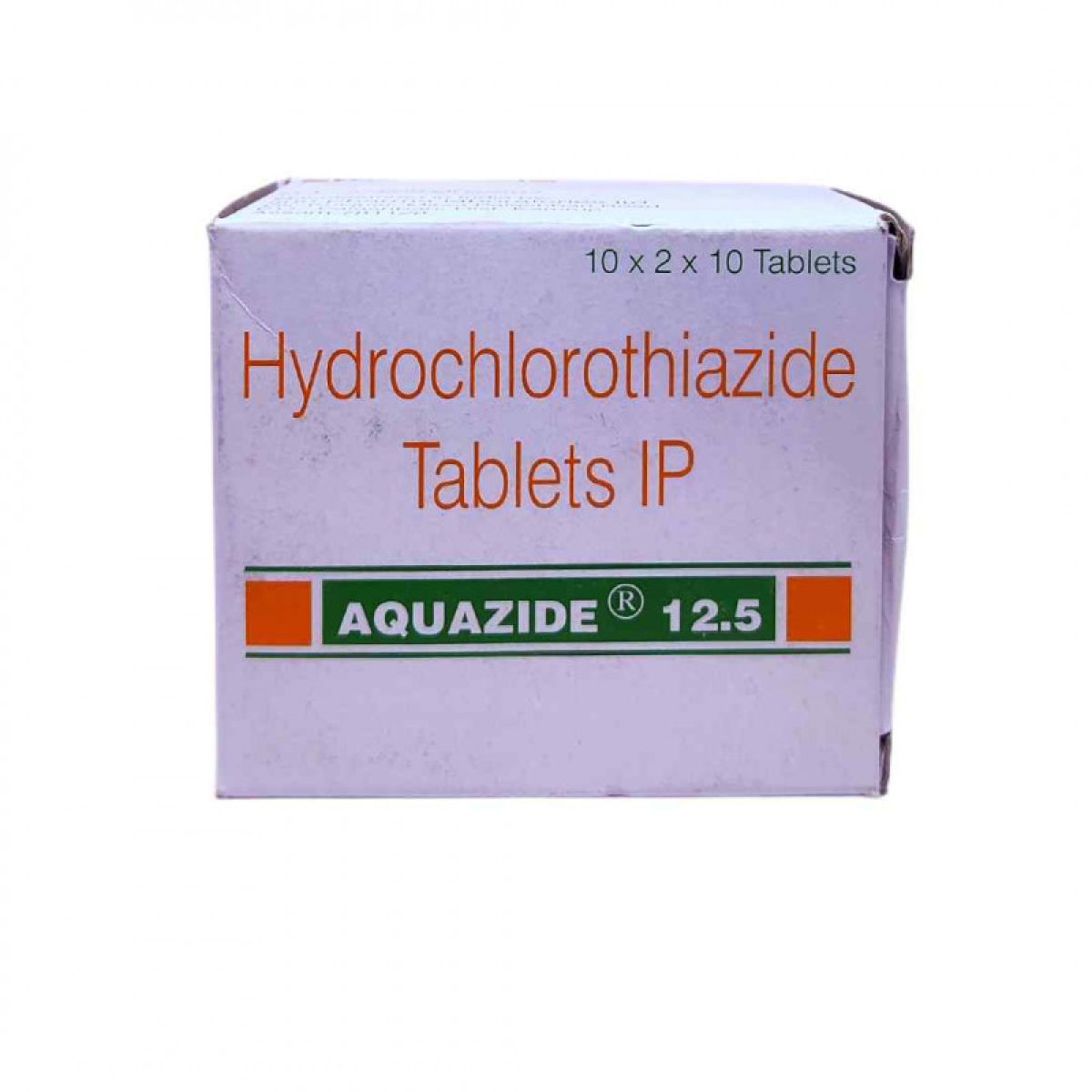
Aquazide 12.5 mg is a thiazide-like diuretic compound developed by Sun Pharmaceuticals Industries for advanced laboratory research applications. This pharmaceutical-grade research chemical enables researchers to investigate renal physiology, electrolyte transport mechanisms, and diuretic pathways in controlled in-vitro environments. At Stroid UK Shop, we supply authenticated Aquazide preparations specifically formulated for academic and commercial research facilities requiring dependable diuretic compounds for their experimental protocols.
Laboratory Research Applications
Researchers examine Aquazide’s mechanism of action through its interaction with sodium-chloride cotransporters in renal epithelial cell cultures. Studies focus on electrolyte balance modulation, thiazide receptor binding affinity, and comparative analysis with other diuretic classes. The compound serves as a reference standard in nephrology research, allowing scientists to evaluate cellular responses to thiazide-type interventions. Cardiovascular research teams investigate its effects on vascular smooth muscle cells, while pharmacokinetic studies examine absorption, distribution, and metabolic pathways. Comparative studies with compounds from our dermatological and general health collection provide comprehensive insights into multi-system pharmaceutical interactions, complementing research conducted with SARMs and peptides in integrated physiological studies.
Product Specifications
| Active Ingredient | Hydrochlorothiazide equivalent |
|---|---|
| Manufacturer | Sun Pharmaceuticals Industries |
| Strength | 12.5 mg per unit |
| CAS Number | Verify with supplier |
| Molecular Formula | Verify with supplier |
| Storage Requirements | Room temperature, dry environment |
| Research Classification | Thiazide-like diuretic |
| Purity Standard | Pharmaceutical grade |
Research Compliance
This product is manufactured by Sun Pharmaceuticals Industries exclusively for in-vitro laboratory research and analytical purposes. Not approved for human consumption, clinical use, or therapeutic applications. Researchers must maintain appropriate laboratory protocols, safety documentation, and institutional oversight when handling this research chemical. Purchase and use restricted to qualified research facilities with proper licensing and safety equipment.