Research Chemical Profile
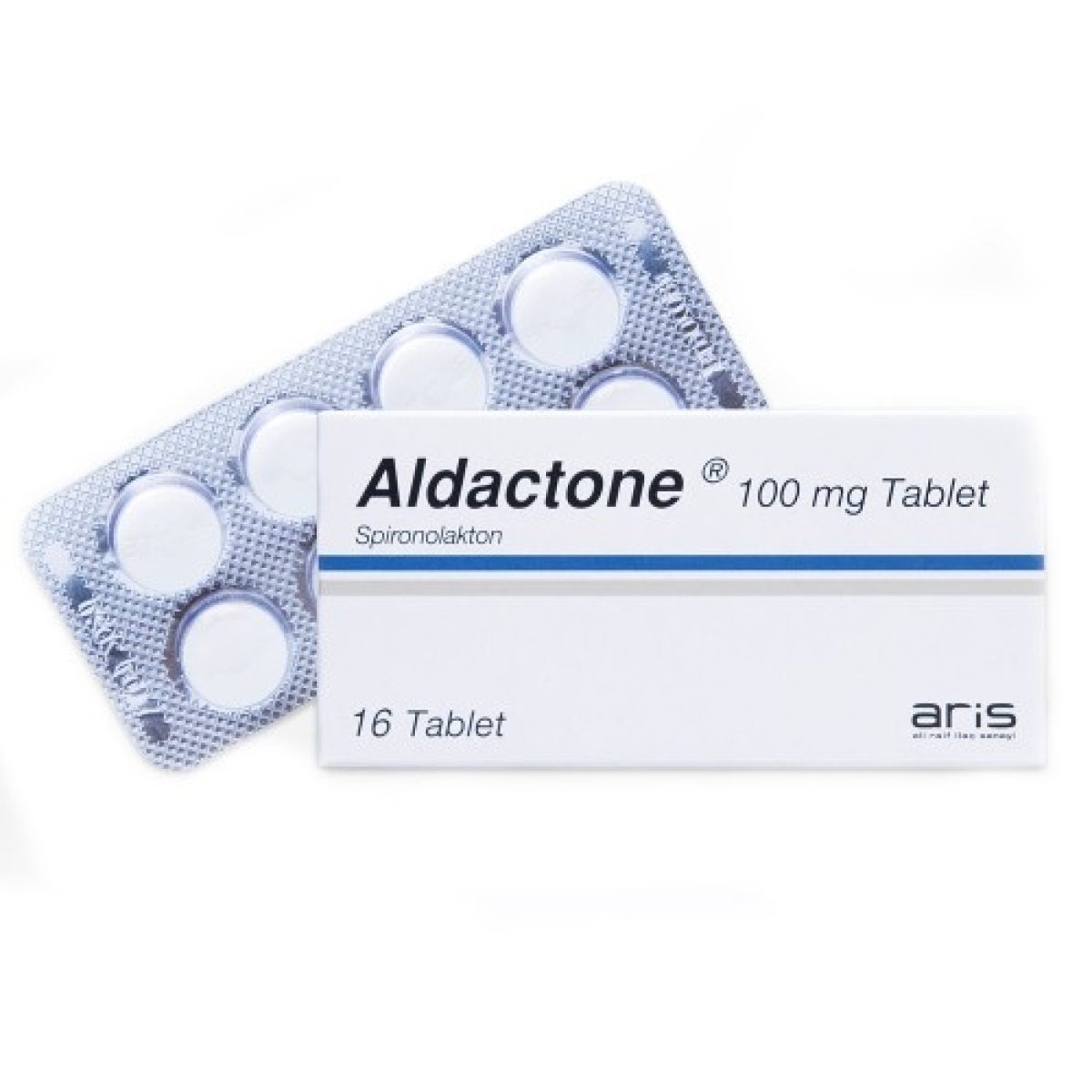
Aldactone 100 Aris is a potassium-sparing diuretic compound containing 100mg spironolactone per tablet, extensively studied for its aldosterone receptor antagonism properties. This pharmaceutical-grade research chemical represents one of the most investigated aldosterone antagonists in cardiovascular and endocrine research applications. Spironolactone functions as a competitive mineralocorticoid receptor antagonist, blocking aldosterone’s effects on sodium and water retention in cellular and tissue models. Research teams at Stroid UK Shop frequently examine this compound’s mechanisms in studying fluid balance regulation and hormonal pathways.
Laboratory Research Applications
Researchers investigate Aldactone’s effects on mineralocorticoid signalling pathways, particularly in models examining heart failure, hypertension, and primary aldosteronism. Studies evaluate its potassium-sparing properties compared to traditional diuretics, making it valuable for research into electrolyte balance mechanisms. The compound’s anti-androgenic properties are examined in hormonal research, where scientists study its effects on androgen receptor binding and 5α-reductase inhibition. Academic laboratories analyse spironolactone’s cardioprotective mechanisms, investigating its role in preventing cardiac remodelling and fibrosis in experimental models. Research teams studying diuretic mechanisms frequently compare this aldosterone antagonist with other compounds available through our SARMs and peptides research collections.
Technical Specifications
| Active Compound | Spironolactone |
|---|---|
| Concentration | 100mg per tablet |
| CAS Number | 52-01-7 |
| Molecular Formula | C₂₄H₃₂O₄S |
| Molecular Weight | 416.57 g/mol |
| Storage Conditions | Room temperature, dry environment |
| Research Applications | Aldosterone antagonism, diuretic mechanisms |
Research Compliance Notice
Aldactone 100 Aris is supplied exclusively for in-vitro laboratory research and analytical testing purposes. This product is not intended for human consumption, therapeutic use, or any clinical applications. Researchers must handle this compound according to standard laboratory safety protocols and maintain appropriate documentation for research compliance. All studies should be conducted within properly equipped research facilities by qualified personnel familiar with handling pharmaceutical research chemicals.