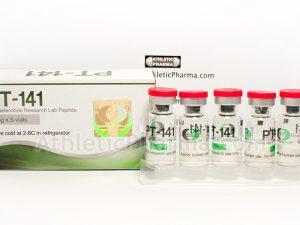
Overview of PT-141 Research Peptide
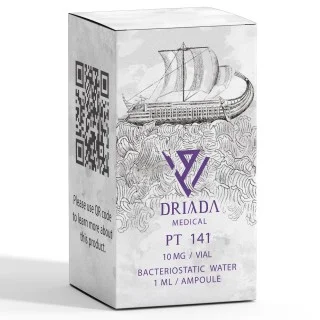
PT-141 is a synthetic melanocortin receptor agonist peptide that researchers study for its unique molecular interactions with specific neural pathways. This 10mg formulation from Driada Medical provides laboratories with high-purity material for investigating melanocortin-4 receptor mechanisms and associated cellular responses. Research teams at Stroid UK Shop utilise this peptide to examine complex neurochemical processes in controlled environments. The compound’s distinctive cyclic heptapeptide structure makes it valuable for studying G-protein coupled receptor activation patterns and downstream signalling cascades.
Laboratory Research Applications
Scientists examine PT-141 in various research protocols to understand melanocortin system function and neural pathway modulation. Laboratory studies investigate how this peptide interacts with specific receptor subtypes and influences cellular communication networks. Research teams working with endurance and peptide compounds often include PT-141 in comparative studies alongside other melanocortin agonists. The peptide’s ability to cross the blood-brain barrier makes it particularly interesting for neurochemical research applications. Investigators analyse its effects on various cellular markers and receptor binding affinity in controlled laboratory settings.
Technical Specifications
| Parameter | Specification |
|---|---|
| Molecular Weight | Verify with supplier |
| CAS Number | Verify with supplier |
| Purity | ≥98% (HPLC) |
| Storage | -20°C, protected from light |
| Solubility | Water, reconstitution required |
| Form | Lyophilised powder |
Research laboratories studying selective receptor modulators and peptide research materials benefit from PT-141’s well-characterised properties and consistent quality standards.
Research Compliance Statement
PT-141 10mg Driada Medical is strictly intended for in-vitro laboratory research purposes only. This product is not approved for human consumption, therapeutic use, or any clinical applications. Research institutions must ensure proper handling protocols and storage conditions are maintained throughout all investigational procedures.