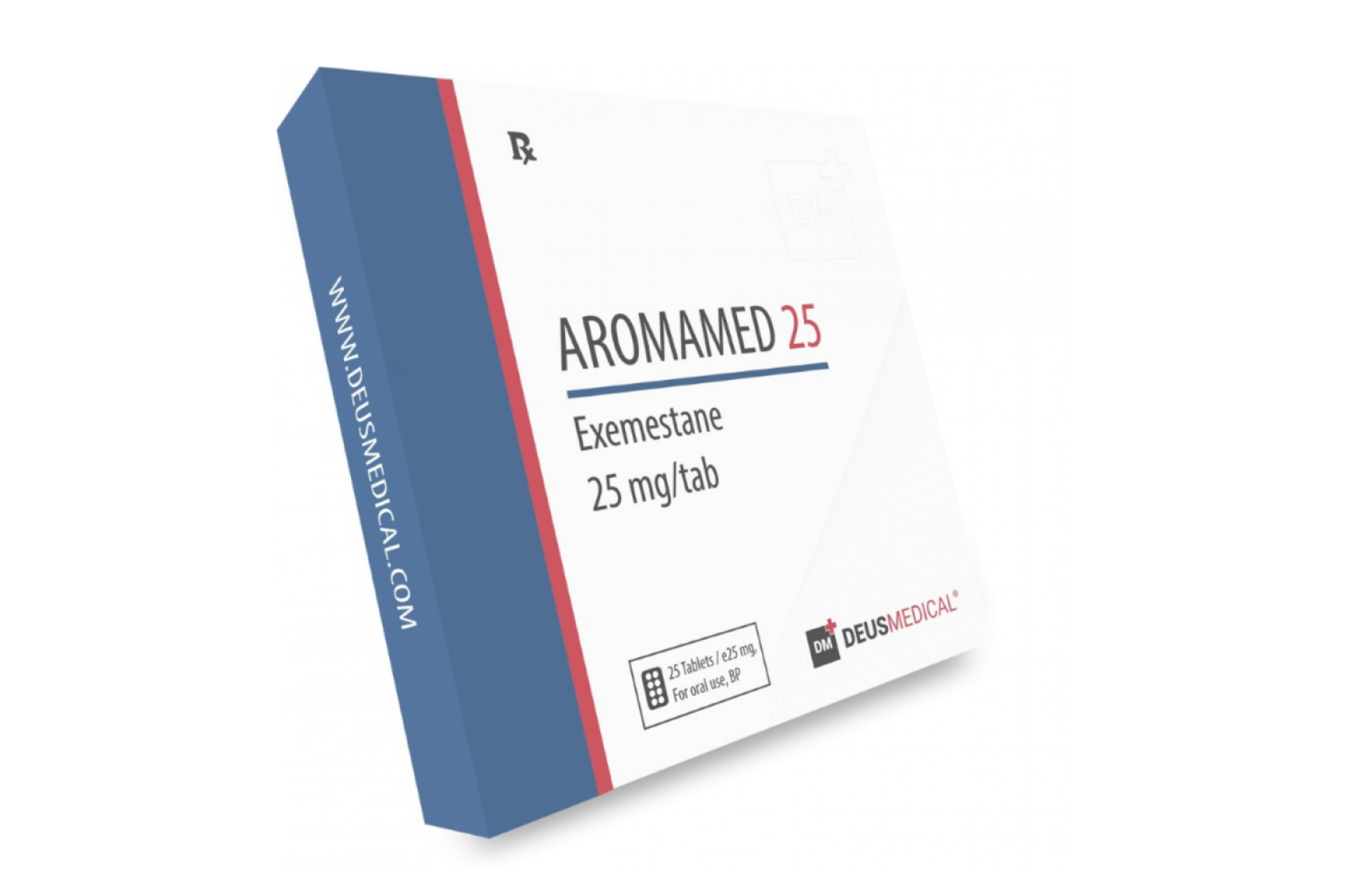
Research Overview: AROMAMED 25 DEUS MEDICAL
AROMAMED 25 DEUS MEDICAL is a pharmaceutical-grade aromatase inhibitor containing 25mg of exemestane per tablet, manufactured for advanced research applications in hormonal modulation studies. This research compound enables laboratory investigations into estrogen regulation mechanisms, making it valuable for researchers studying endocrine pathways and steroidogenesis. Scientists at Stroid UK Shop utilize this compound alongside other research materials for comprehensive hormonal studies. The compound’s standardized formulation allows for precise dosimetric research protocols in laboratory environments.
Scientific Research Applications
Researchers examine AROMAMED 25 in studies investigating estrogen biosynthesis inhibition, particularly focusing on the aromatase enzyme’s role in androgen-to-estrogen conversion. Laboratory investigations utilize this compound to study hormonal balance mechanisms and endocrine disruption patterns. Scientists analyze its effects on various biochemical pathways related to steroid metabolism and cellular response mechanisms. Research protocols often incorporate this compound with other modulators from the estrogen blockers category to examine synergistic effects. Advanced studies compare its mechanism with compounds found in SARMs research and peptide investigations to understand comprehensive hormonal modulation approaches.
Technical Specifications
| Parameter | Value |
|---|---|
| Active Compound | Exemestane |
| Concentration | 25mg per tablet |
| Tablet Count | 50 tablets |
| Manufacturer | Deus Medical |
| Purity | ≥99% |
| Storage | Room temperature, dry conditions |
| Molecular Formula | C20H24O2 |
| Molecular Weight | 296.4 g/mol |
| CAS Number | 107868-30-4 |
Research Compliance Statement
AROMAMED 25 DEUS MEDICAL is manufactured exclusively for in-vitro laboratory research purposes. This product is not intended for human consumption, therapeutic use, or any application outside controlled laboratory environments. Researchers must ensure compliance with institutional guidelines and local regulations when conducting studies involving this compound. All investigations should follow established protocols for handling research chemicals and maintaining appropriate documentation for scientific purposes.