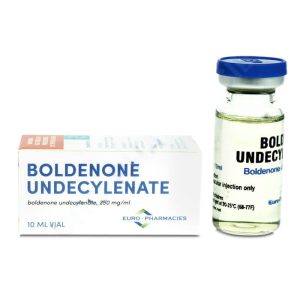
Research Overview: Equipoise 250 Max Pro
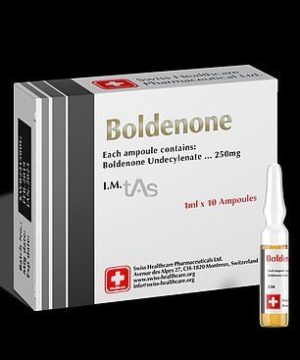
Equipoise 250 Max Pro is a synthetic boldenone undecylenate compound specifically formulated for in-vitro laboratory research applications. This research-grade compound enables scientists to investigate anabolic mechanisms, protein synthesis pathways, and nitrogen retention dynamics in controlled experimental settings. Manufactured to pharmaceutical standards, this preparation provides researchers with a reliable tool for examining the molecular interactions of modified testosterone derivatives. At Stroid UK Shop, our laboratory-grade compounds support advanced research projects across academic and commercial institutions.
Laboratory Research Applications
Research scientists utilise this compound to examine anabolic signalling pathways and their influence on cellular protein synthesis mechanisms. Studies focus on investigating how boldenone undecylenate interacts with androgen receptors and influences gene expression patterns in muscle tissue samples. The compound’s unique structural modifications make it valuable for research into selective tissue targeting and reduced aromatisation compared to traditional testosterone derivatives. Researchers in our boldenone category consistently choose this preparation for comparative studies examining different ester chain effects on compound stability and bioavailability. Scientists also investigate its potential applications alongside other research compounds from our SARMs collection and peptides range to understand synergistic mechanisms.
Technical Specifications
| Parameter | Specification |
|---|---|
| Active Compound | Boldenone Undecylenate |
| Concentration | 250mg/ml |
| Presentation | Injectable Solution |
| Volume | 10ml Vial |
| Molecular Formula | C₃₀H₄₄O₃ |
| Molecular Weight | 452.68 g/mol |
| CAS Number | 13103-34-9 |
| Storage | Room temperature, protect from light |
| Purity | >99% (HPLC verified) |
| Manufacturer | Max Pro Pharmaceuticals |
Research Compliance
This product is supplied exclusively for in-vitro laboratory research purposes and is not intended for human consumption, therapeutic use, or any application involving living organisms. Researchers must possess appropriate licensing and facilities for handling research compounds. All studies should be conducted in accordance with institutional review board guidelines and applicable regulatory frameworks.