Research Overview: Trenagen-100 Rapid Calvin Scott
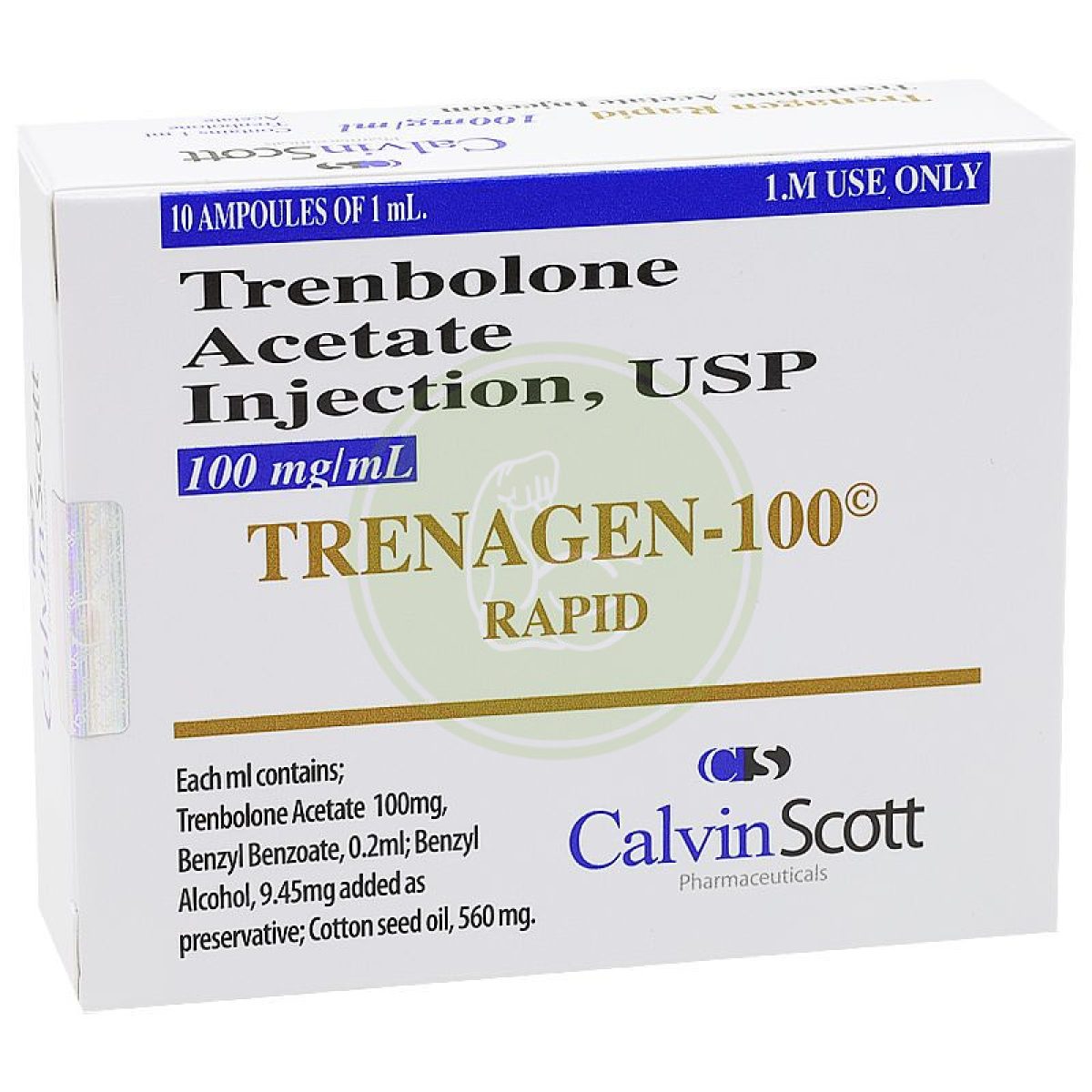
Trenagen-100 Rapid Calvin Scott is a laboratory-grade trenbolone acetate research compound specifically formulated for in-vitro scientific investigation. This research chemical enables researchers to study advanced anabolic mechanisms, receptor binding characteristics, and cellular response pathways in controlled laboratory environments. The compound’s precise formulation makes it an essential tool for researchers examining steroid receptor interactions and molecular signalling cascades. Leading research institutions utilise this compound to investigate protein synthesis pathways, nitrogen retention mechanisms, and cellular adaptation responses. When sourced from Stroid UK Shop, researchers can access comprehensive documentation supporting their experimental protocols.
Laboratory Applications
Research applications include investigating androgen receptor binding studies, examining cellular protein synthesis mechanisms, and analysing metabolic pathway interactions. Scientists utilise this compound to study muscle tissue development models, evaluate hormonal response cascades, and examine receptor selectivity profiles. The compound enables researchers to investigate nitrogen balance mechanisms, examine cellular growth factor interactions, and study anabolic signalling pathways. Advanced research protocols examine its interaction with other research compounds available in our trenbolone acetate category. Comparative studies often incorporate compounds from our SARMs collection and peptides range to evaluate synergistic research outcomes.
Technical Specifications
| Parameter | Specification |
|---|---|
| Active Compound | Trenbolone Acetate |
| Concentration | 100mg/ml |
| CAS Number | Verify with supplier |
| Molecular Formula | Verify with supplier |
| Storage | Cool, dry conditions |
| Purity | Research grade |
Research Compliance
This research chemical is manufactured exclusively for in-vitro laboratory research and educational purposes. Not approved for human consumption, therapeutic use, or any application outside controlled research environments. Researchers must maintain appropriate laboratory safety protocols and ensure compliance with institutional research guidelines when conducting studies with this compound.