

Research Overview: rHGH Biogene 3.
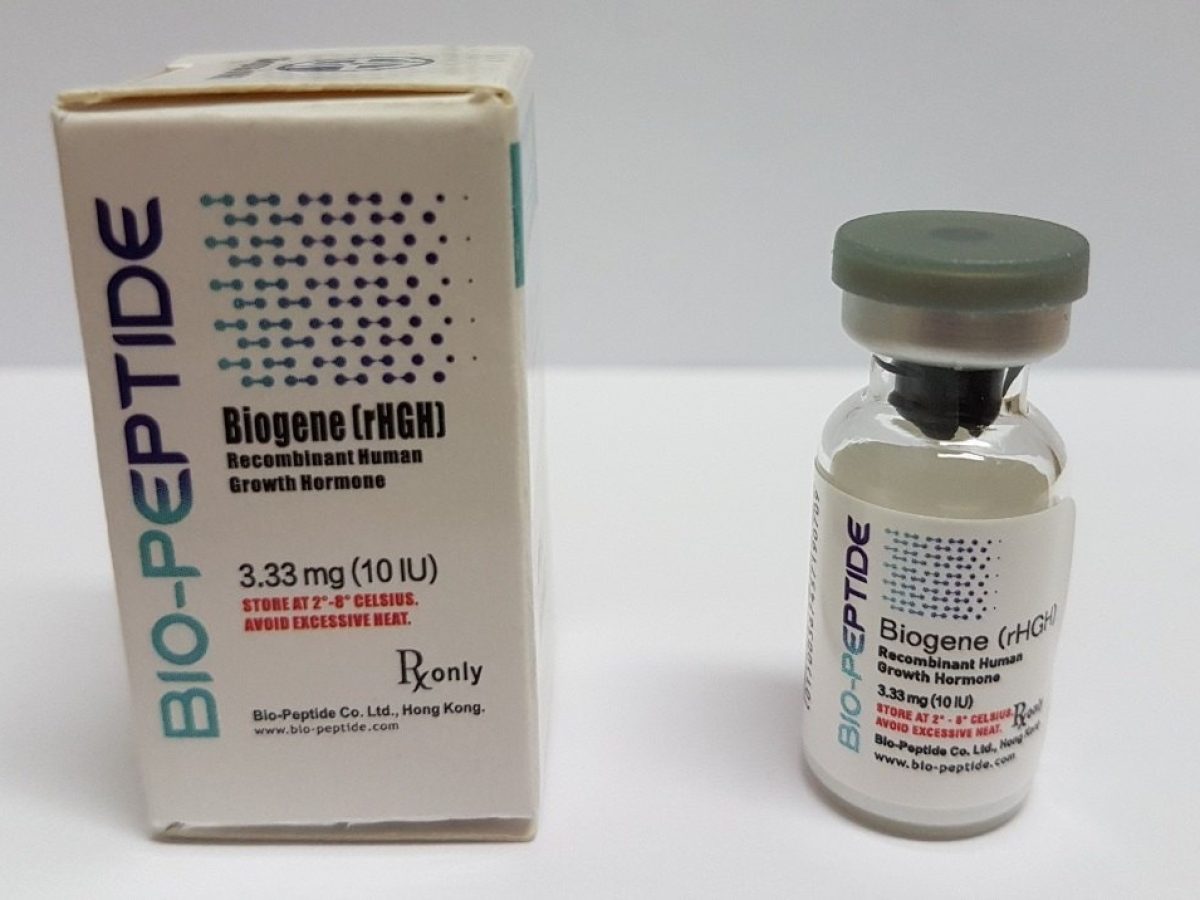
rHGH Biogene 3.33mg (10IU) is a recombinant human growth hormone peptide that serves as an essential research tool for investigating growth factor signalling pathways and cellular regeneration mechanisms. This laboratory-grade compound enables researchers at Stroid UK Shop to examine the intricate biological processes governing tissue development, metabolic regulation, and protein synthesis in controlled experimental settings. The 3.33mg formulation provides precise dosing capabilities for detailed pharmacokinetic studies and molecular biology investigations.
Laboratory Applications
Research applications for rHGH Biogene encompass extensive studies of growth hormone receptor interactions, IGF-1 pathway activation, and anabolic signalling cascades. Scientists utilise this compound to investigate cellular proliferation mechanisms, protein synthesis regulation, and metabolic pathway modulation in various tissue types. The high-purity formulation enables accurate analysis of growth hormone’s effects on nitrogen retention, lipid metabolism, and cellular repair processes. Comparative studies with other research compounds from our peptides and SARMs collections provide comprehensive insights into anabolic pathway interactions. Researchers frequently examine this compound alongside other growth hormones to establish comparative efficacy profiles and understand receptor specificity patterns.
Technical Specifications
| Parameter | Value |
|---|---|
| Active Compound | Recombinant Human Growth Hormone |
| Concentration | 3.33mg (10IU) per vial |
| Molecular Formula | C990H1528N262O300S7 |
| Molecular Weight | 22,124 Da |
| CAS Number | 12629-01-5 |
| Purity | ≥98% (HPLC verified) |
| Storage | -18°C to -20°C |
| Stability | 36 months when stored properly |
Research Compliance
rHGH Biogene 3.33mg is manufactured exclusively for in-vitro research applications and laboratory analysis. This compound is not intended for human consumption, therapeutic use, or any application outside controlled research environments. Researchers must ensure proper laboratory protocols, appropriate storage conditions, and compliance with institutional research guidelines when handling this material. All investigations should be conducted by qualified personnel in appropriately equipped research facilities with proper safety measures and regulatory oversight.