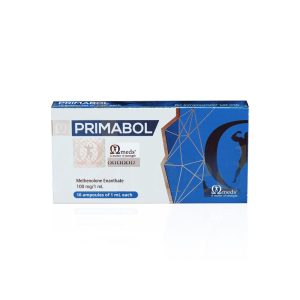
Research Applications of Drostanolone Propionate
Drostanolone Propionate is a synthetic anabolic-androgenic steroid derived from dihydrotestosterone that has been extensively investigated in research laboratories worldwide. This Omega Meds formulation provides researchers at Stroid UK Shop with a precisely manufactured compound for examining the molecular mechanisms of modified steroid structures. Laboratory studies have focused on investigating how propionate esterification affects bioavailability and tissue distribution patterns in controlled experimental conditions.
Laboratory Investigation Parameters
Research applications for this compound span multiple scientific disciplines, from endocrinology studies examining androgen receptor binding affinity to pharmaceutical research investigating ester cleavage kinetics. Scientists frequently examine this compound alongside other research chemicals available in our drostanolone propionate collection to understand comparative molecular behaviour. Analytical studies have evaluated its stability under various storage conditions and solvent compatibility for in-vitro assays. Researchers also investigate its interaction with liver enzymes and metabolic pathways using controlled laboratory protocols. The 100mg/ml concentration enables precise dosimetric calculations for experimental design, while the propionate ester provides researchers with predictable hydrolysis patterns for time-course studies.
Technical Specifications
| Parameter | Value |
|---|---|
| Active Compound | Drostanolone Propionate |
| Concentration | 100 mg/ml |
| Manufacturer | Omega Meds |
| CAS Number | Verify with supplier |
| Molecular Formula | Verify with supplier |
| Storage Requirements | Cool, dry conditions |
This research compound complements other laboratory materials including SARMs and peptides for comprehensive steroid research programmes.
Research Use Compliance
This product is manufactured exclusively for in-vitro research applications and laboratory analysis. Not approved for human consumption, therapeutic use, or any application outside controlled research environments. Researchers must ensure compliance with applicable regulations governing research chemical handling and storage.