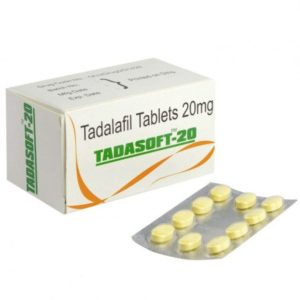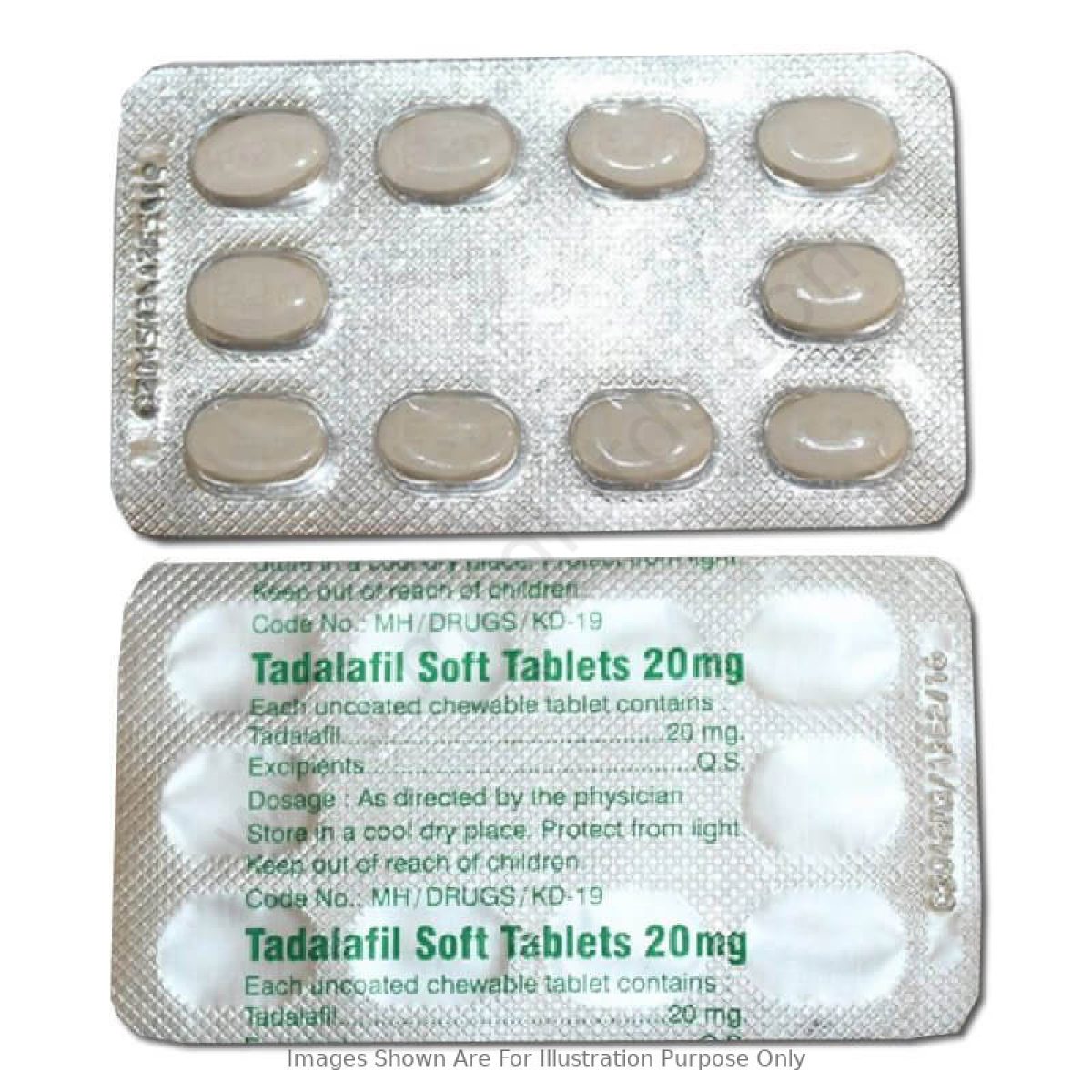


Research Overview of Tadalafil Soft
Tadalafil is a selective phosphodiesterase type 5 (PDE5) inhibitor developed for research into cyclic guanosine monophosphate (cGMP) signalling pathways and vascular smooth muscle responses. This soft-gel formulation from Aurochem Pharmaceuticals provides 20mg of tadalafil citrate per capsule, enabling precise dosing protocols for in-vitro laboratory investigations. Research teams at Stroid UK Shop can examine tadalafil’s mechanisms of action in cellular models studying nitric oxide pathways and endothelial function.
Laboratory Research Applications
Scientists investigating PDE5 enzyme inhibition commonly study tadalafil’s effects on cGMP degradation in smooth muscle cell cultures. The compound demonstrates selective inhibition of PDE5 over other phosphodiesterase isoforms in biochemical assays, making it valuable for researchers examining erectile dysfunction pathways and pulmonary arterial hypertension mechanisms. Comparative studies with compounds from our tadalafil research collection allow evaluation of different formulation approaches. Research teams also investigate tadalafil alongside other compounds available in our SARMs category for comprehensive hormonal pathway studies. Additionally, researchers studying metabolic modulators often examine PDE5 inhibitors in conjunction with compounds from our peptides selection to understand vascular-metabolic interactions in experimental models.
Technical Specifications
| Parameter | Value |
|---|---|
| Active Compound | Tadalafil Citrate |
| Strength | 20mg per soft capsule |
| Manufacturer | Aurochem Pharmaceuticals |
| CAS Number | 171596-29-5 |
| Molecular Formula | C₂₂H₁₉N₃O₄ |
| Molecular Weight | 389.40 g/mol |
| Storage | Room temperature, dry conditions |
| Research Form | Soft gelatin capsules |
Research Compliance Statement
Tadalafil Soft 20mg is supplied strictly for in-vitro laboratory research and analytical purposes only. This product is not intended for human consumption, therapeutic use, or any clinical applications. Researchers must handle this compound according to laboratory safety protocols and applicable regulations governing research chemicals. All investigations should be conducted within appropriately equipped laboratory facilities by qualified scientific personnel.