Oxandrolone Research Compound Overview
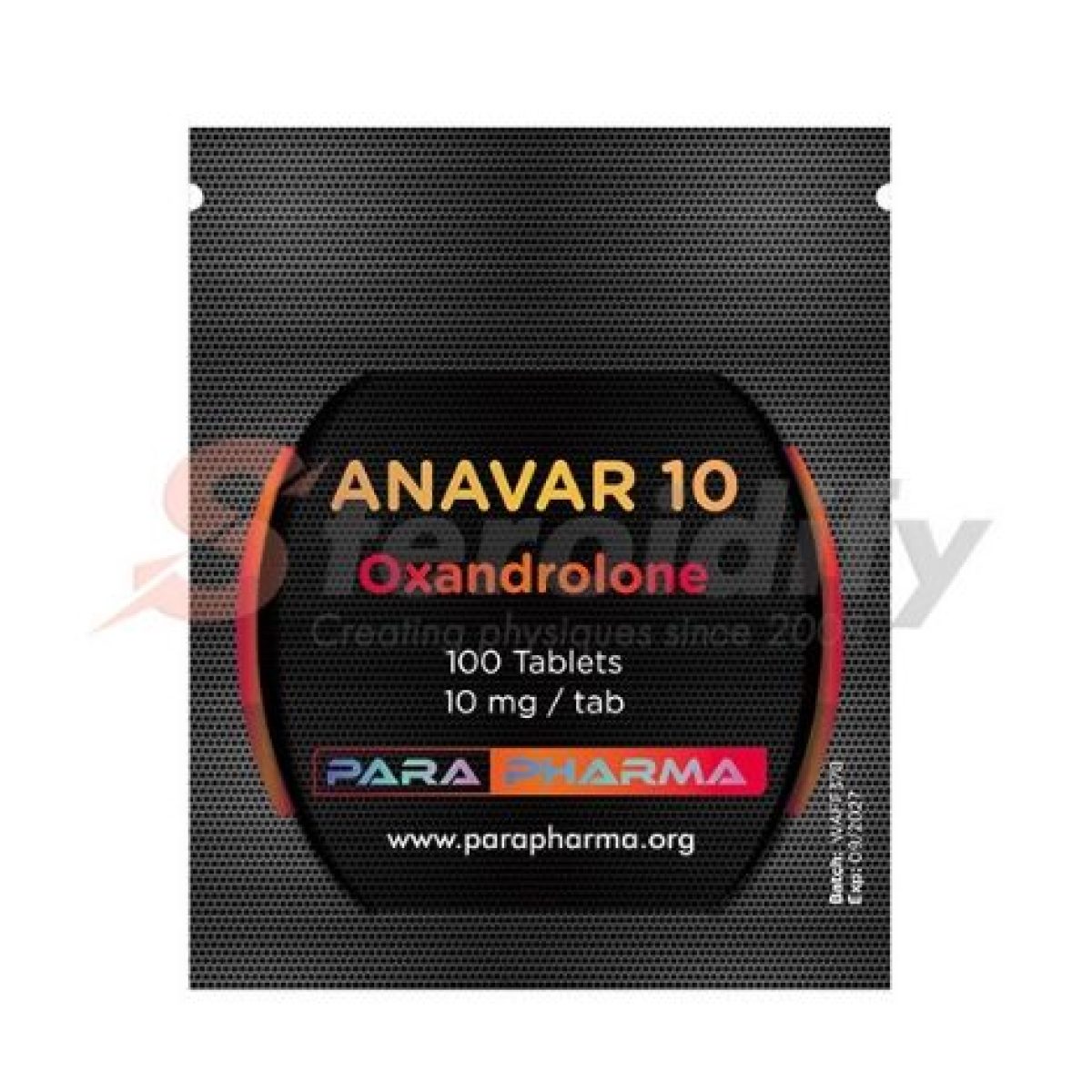
Oxandrolone is a synthetic anabolic steroid derived from dihydrotestosterone, extensively studied for its unique molecular properties in laboratory research applications. This oral compound exhibits modified steroid structure with an oxygen atom substituting the 2-carbon in the A-ring, resulting in distinct pharmacological characteristics investigated across metabolic research protocols. Scientists at Stroid UK Shop frequently utilise oxandrolone for examining anabolic pathways and protein synthesis mechanisms in controlled laboratory environments.
Laboratory Research Applications
Research institutions investigate oxandrolone’s mechanisms in muscle tissue metabolism studies, examining its effects on nitrogen retention and cellular protein synthesis pathways. The compound demonstrates interesting properties when researchers analyse hepatic metabolic processes and examine tissue-selective anabolic activity in experimental models. Studies frequently evaluate oxandrolone alongside other compounds from our anabolic steroid research collection to understand comparative molecular interactions. Laboratories also examine this compound’s behaviour in metabolic research protocols, often comparing results with data obtained from selective androgen receptor modulators and peptide compounds to establish comprehensive molecular profiles.
Technical Specifications
| Parameter | Specification |
|---|---|
| Chemical Name | 17β-hydroxy-17α-methyl-2-oxa-5α-androstan-3-one |
| CAS Number | 53-39-4 |
| Molecular Formula | C₁₉H₃₀O₃ |
| Molecular Weight | 306.44 g/mol |
| Concentration | 10mg per tablet |
| Storage Requirements | Room temperature, dry conditions |
Research Compliance Statement
This oxandrolone preparation is manufactured exclusively for in-vitro laboratory research purposes and analytical testing protocols. The compound must not be used for human consumption, therapeutic applications, or any purposes beyond controlled scientific investigation. Researchers must maintain appropriate laboratory safety protocols and comply with local regulations governing research chemical handling and storage procedures.