Compound Profile: 2ks Epistane 90 caps – Arcas Nutrition Arcas Nutrition
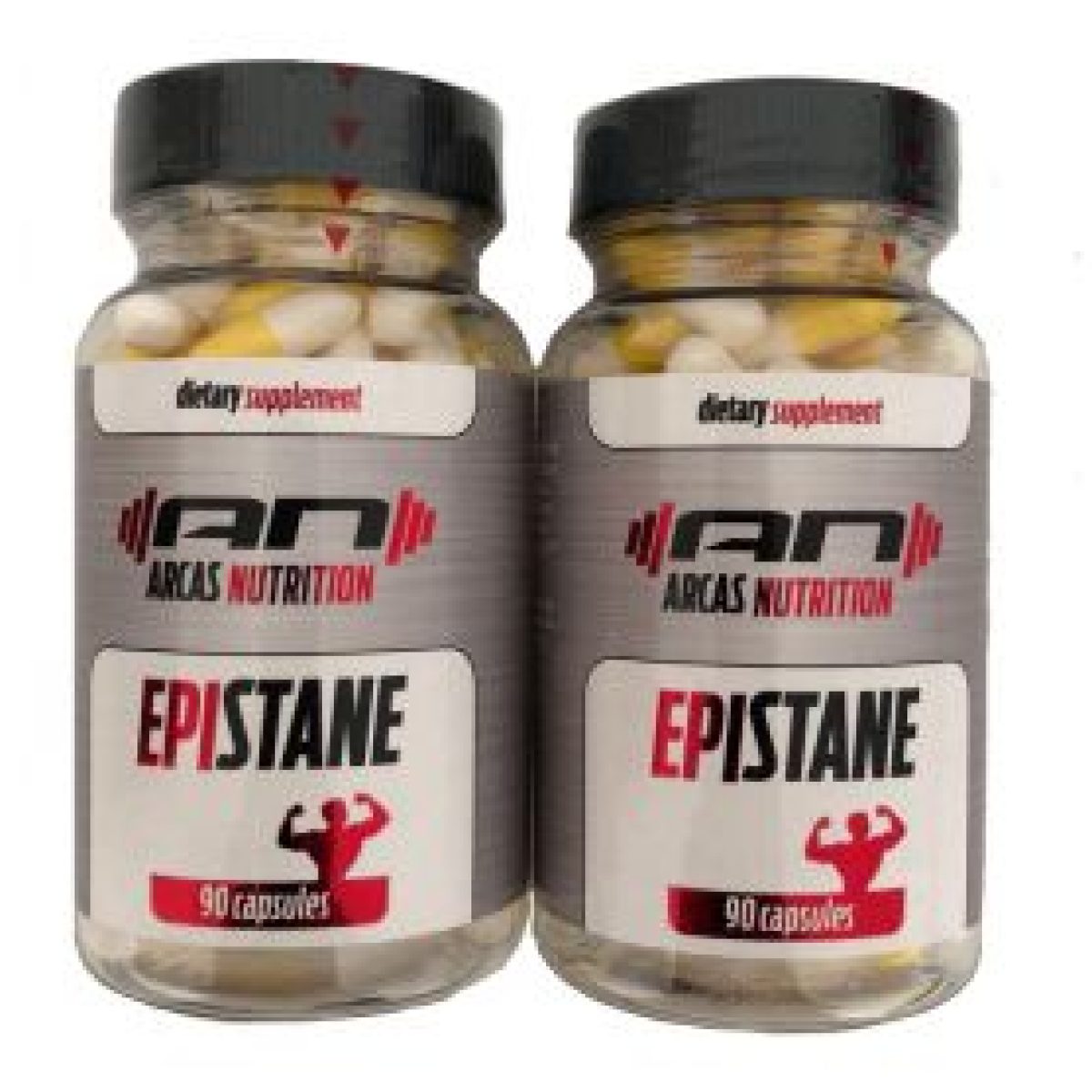
Epistane is a methylated prohormone compound classified as a designer steroid, chemically known as 2α,3α-epithio-17α-methyl-5α-androstan-17β-ol. This oral compound was originally developed for research into selective androgenic pathways and tissue-specific anabolic responses. Researchers at Stroid UK Shop investigate this compound for its unique molecular structure featuring an episulfide bridge that influences its binding characteristics and metabolic properties. The Arcas Nutrition formulation provides 90 capsules per container, enabling extended research protocols examining dose-response relationships and temporal effects in controlled laboratory environments.
Laboratory Research Applications
Scientific investigations examine Epistane’s interaction with androgen receptors and its tissue-selective binding patterns in cellular models. Research protocols evaluate the compound’s methylation at the 17α position, which affects hepatic metabolism and bioavailability in vitro studies. Comparative studies with other other drugs examine its unique episulfide bridge structure and how this modification influences receptor binding affinity and selectivity. Laboratory analyses investigate metabolic pathways, protein synthesis markers, and cellular signalling cascades activated by this compound. Research teams also examine its interaction with steroidogenic enzymes and evaluate potential synergistic effects when studied alongside SARMs or peptides in multi-compound research protocols.
Technical Specifications
| Parameter | Specification |
|---|---|
| Chemical Name | 2α,3α-epithio-17α-methyl-5α-androstan-17β-ol |
| CAS Number | 4267-80-5 |
| Molecular Formula | C₂₀H₃₂OS |
| Molecular Weight | 320.54 g/mol |
| Form | Capsules (90 count) |
| Manufacturer | Arcas Nutrition |
| Storage Conditions | Room temperature, dry environment |
| Solubility | Lipophilic compound |
Research Compliance Statement
This Epistane product is manufactured by Arcas Nutrition exclusively for in-vitro laboratory research purposes and scientific investigation. The compound is not intended for human consumption, clinical application, or therapeutic use. Researchers must possess appropriate laboratory facilities, safety protocols, and analytical capabilities for handling research chemicals. All investigations should comply with institutional research guidelines and applicable regulations governing the study of anabolic compounds. Laboratory personnel should maintain detailed research records and implement proper storage procedures to preserve compound integrity throughout research programmes.