

Research Applications of Aromasin
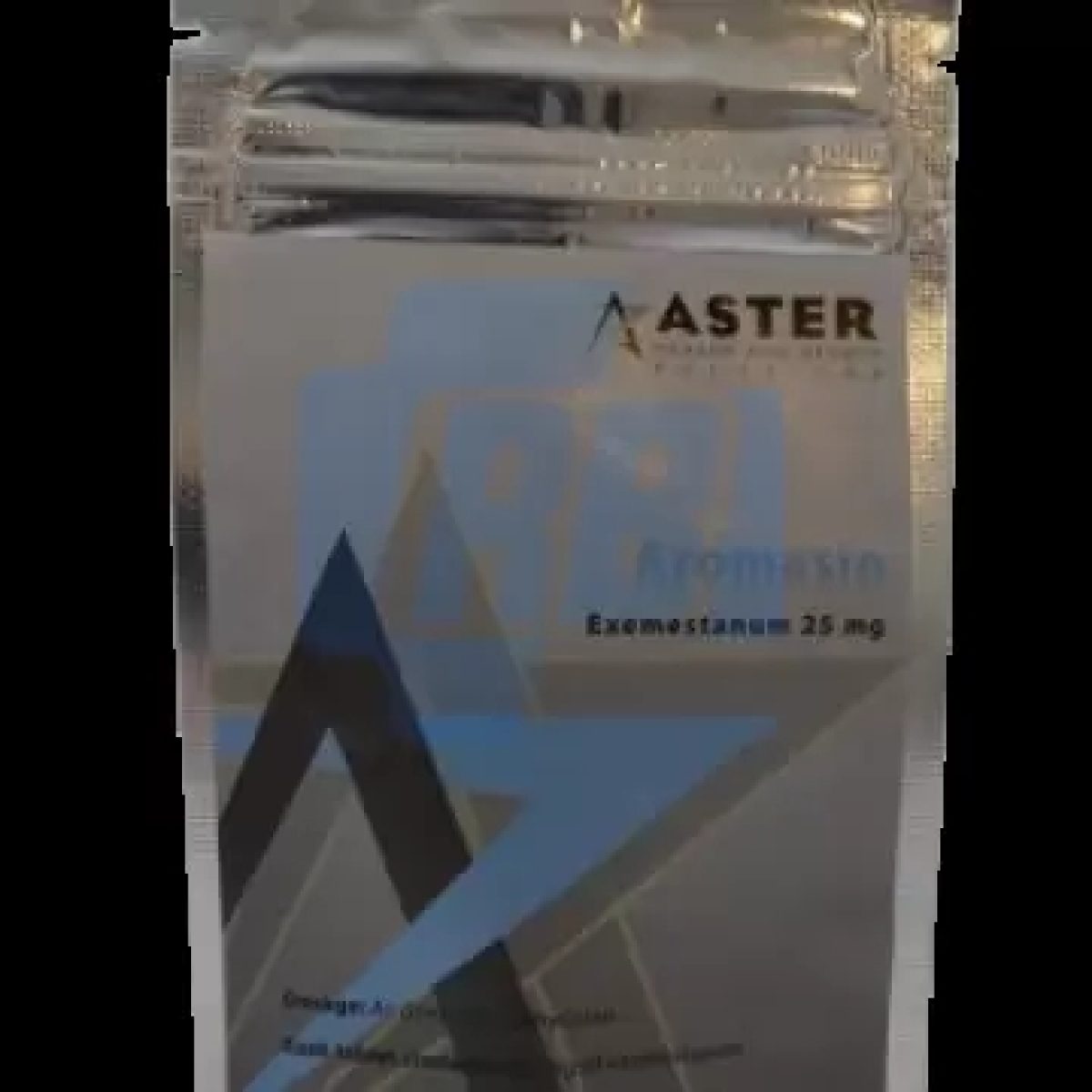
Aromasin is a steroidal aromatase inhibitor developed by Pfizer as an irreversible type III inhibitor of the CYP19A1 enzyme. This exemestane-based compound binds covalently to the aromatase enzyme complex, distinguishing it from reversible inhibitors in laboratory investigations. Research studies at Stroid UK Shop examine its potent mechanism of action that permanently inactivates aromatase through suicide inhibition. Scientists investigate this unique binding mechanism in cell culture models studying estrogen-dependent pathways. The irreversible nature makes it particularly valuable for research protocols examining sustained aromatase suppression effects in various experimental conditions.
Exemestane Laboratory Studies
Laboratory investigations utilise exemestane’s distinctive steroid structure that mimics natural enzyme substrates while delivering permanent inhibition. Research protocols examine how this mechanism differs from competitive inhibitors in endocrine pathway studies. Scientists studying aromatase inhibitor compounds analyse exemestane’s androgenic metabolite formation and its implications in hormonal research models. Comparative studies investigate exemestane versus anastrozole and letrozole in cell-based assays examining enzyme kinetics. Research data demonstrates exemestane’s unique profile in preventing rebound estrogen synthesis due to its irreversible binding mechanism.
Product Specifications
| Parameter | Value |
|---|---|
| Active Ingredient | Exemestane |
| CAS Number | 107868-30-4 |
| Molecular Formula | C₂₀H₂₄O₂ |
| Molecular Weight | 296.4 g/mol |
| Manufacturer | Aaster Health and Sports Solutions |
| Storage | Room temperature, dry conditions |
Research laboratories investigating steroid biochemistry utilise exemestane alongside selective androgen receptor modulators and research peptides in comprehensive endocrine pathway studies.
Research Compliance Statement
Aromasin Aaster Health exemestane is manufactured exclusively for in-vitro laboratory research applications. This compound is not intended for human consumption, therapeutic use, or any clinical applications. Research institutions must ensure proper laboratory protocols and regulatory compliance when conducting studies with this aromatase inhibitor. All investigations should follow established guidelines for handling research chemicals in controlled laboratory environments.