
Levothyroxine Sodium Research Overview
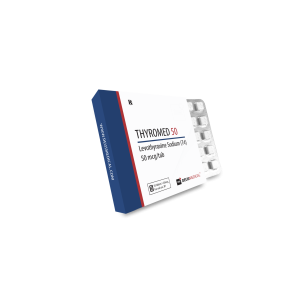
Levothyroxine sodium is a synthetic thyroid hormone replacement compound that serves as the sodium salt of L-thyroxine. This pharmaceutical-grade research chemical represents the synthetic form of the naturally occurring thyroid hormone thyroxine (T4), widely studied for its metabolic regulatory properties in laboratory investigations. Research facilities often examine this compound’s role in thyroid hormone replacement therapy models and metabolic pathway studies. Stroid UK Shop maintains rigorous quality standards for all research compounds, ensuring consistent purity for scientific applications.
Metabolic Research Applications
Laboratory studies investigate levothyroxine sodium’s mechanism of action through thyroid hormone receptor binding and subsequent gene expression modulation. Research models demonstrate its effects on basal metabolic rate regulation, protein synthesis pathways, and cellular energy expenditure mechanisms. Scientific investigations examine its conversion to the active triiodothyronine (T3) form via peripheral deiodination processes. Researchers studying thyroid hormone modulators often compare its efficacy against endogenous hormone levels in controlled laboratory settings. The compound’s pharmacokinetics and tissue distribution patterns provide valuable data for metabolic research protocols.
Compound Specifications
| Parameter | Specification |
|---|---|
| Chemical Name | L-Thyroxine Sodium Salt |
| Molecular Formula | C₁₅H₁₀I₄NNaO₄ |
| Molecular Weight | 798.85 g/mol |
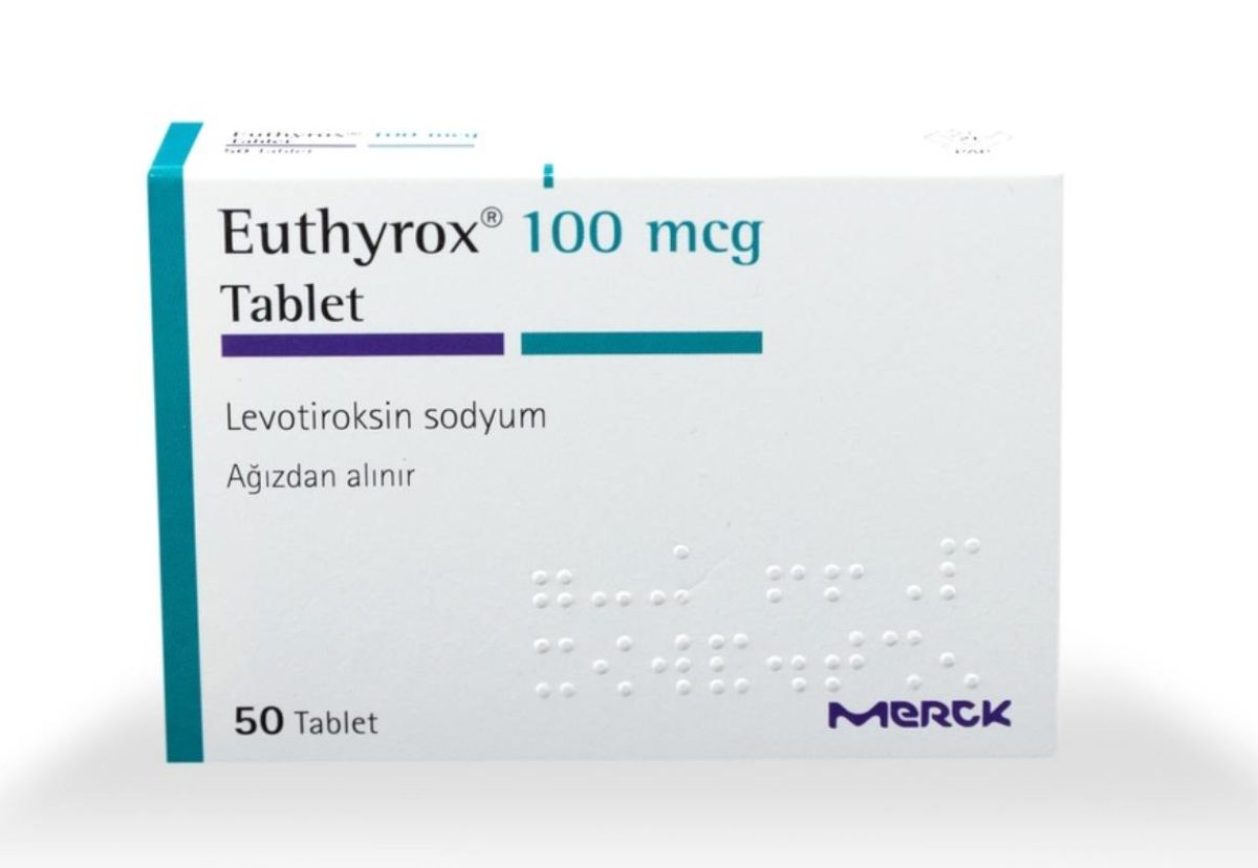
| Form | 50 Tablets |
| Concentration | 100 mcg per tablet |
| Manufacturer | Merck |
| Storage | Room temperature, dry conditions |
This compound shares research applications with other metabolic modulators available through our SARMs collection and complements investigations alongside peptide research compounds for comprehensive metabolic studies.
Research Compliance Statement
Euthurox (Levothyroxine Sodium) 100mcg tablets are supplied strictly for in-vitro research purposes only. This product is not intended for human consumption, veterinary use, or any application outside controlled laboratory environments. Researchers must possess appropriate laboratory credentials and follow institutional safety protocols when handling this compound. All investigations should comply with relevant research ethics guidelines and local regulations governing laboratory chemical use.