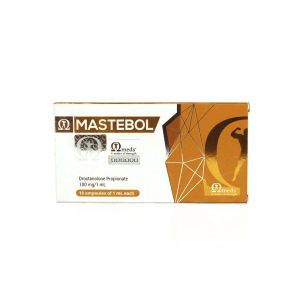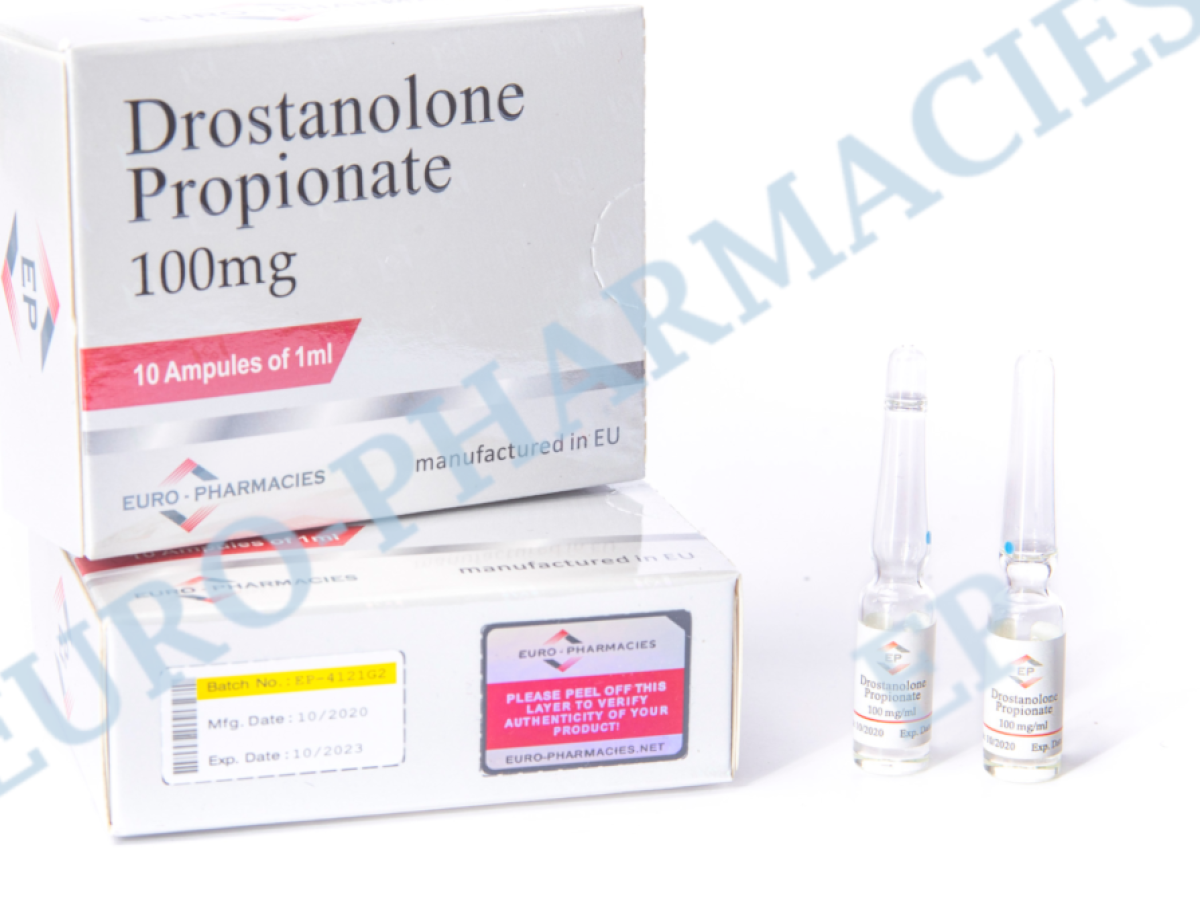
10 amp-Drostanolone Propionate: Compound Profile
Drostanolone Propionate is a dihydrotestosterone-derived anabolic-androgenic steroid characterised by the addition of a methyl group at carbon-2. This structural modification enhances its resistance to metabolic degradation whilst maintaining high binding affinity to androgen receptors in laboratory research applications. The propionate ester attachment provides controlled release characteristics, making it valuable for investigating pharmacokinetic properties in experimental models. Research teams at Stroid UK Shop frequently examine this compound’s molecular interactions with steroid hormone pathways.
Laboratory Applications
Scientific investigations focus on drostanolone propionate’s unique anti-estrogenic properties, which distinguish it from other androgens in preclinical studies. Research demonstrates its competitive inhibition of aromatase enzyme activity, offering insights into estrogen biosynthesis regulation. Cell culture studies examine its effects on protein synthesis pathways and nitrogen retention mechanisms. Comparative analyses with other drostanolone compounds reveal distinct receptor binding profiles and tissue selectivity patterns. Metabolic research investigates its interaction with hepatic enzyme systems and clearance pathways.
Technical Specifications
| Parameter | Value |
|---|---|
| Chemical Name | 2α-Methyl-4,5α-dihydrotestosterone 17β-propionate |
| Molecular Formula | C₂₃H₃₆O₃ |
| Molecular Weight | 360.54 g/mol |
| CAS Number | 521-12-0 |
| Concentration | 100mg/mL |
| Storage Requirements | Room temperature, protect from light |
This pharmaceutical-grade preparation provides consistent concentration for reproducible experimental outcomes. The injectable formulation ensures rapid tissue distribution in research models. Quality assurance protocols verify purity through advanced analytical methods including HPLC and mass spectrometry. Temperature-controlled storage maintains molecular stability throughout the research period. Researchers studying metabolic pathways often compare results with selective androgen receptor modulators and peptide hormones to establish comprehensive receptor interaction profiles.
Research Compliance
This product is intended exclusively for in-vitro laboratory research applications and is not approved for human consumption or therapeutic use. Researchers must maintain appropriate laboratory safety protocols and institutional review board approval where applicable.