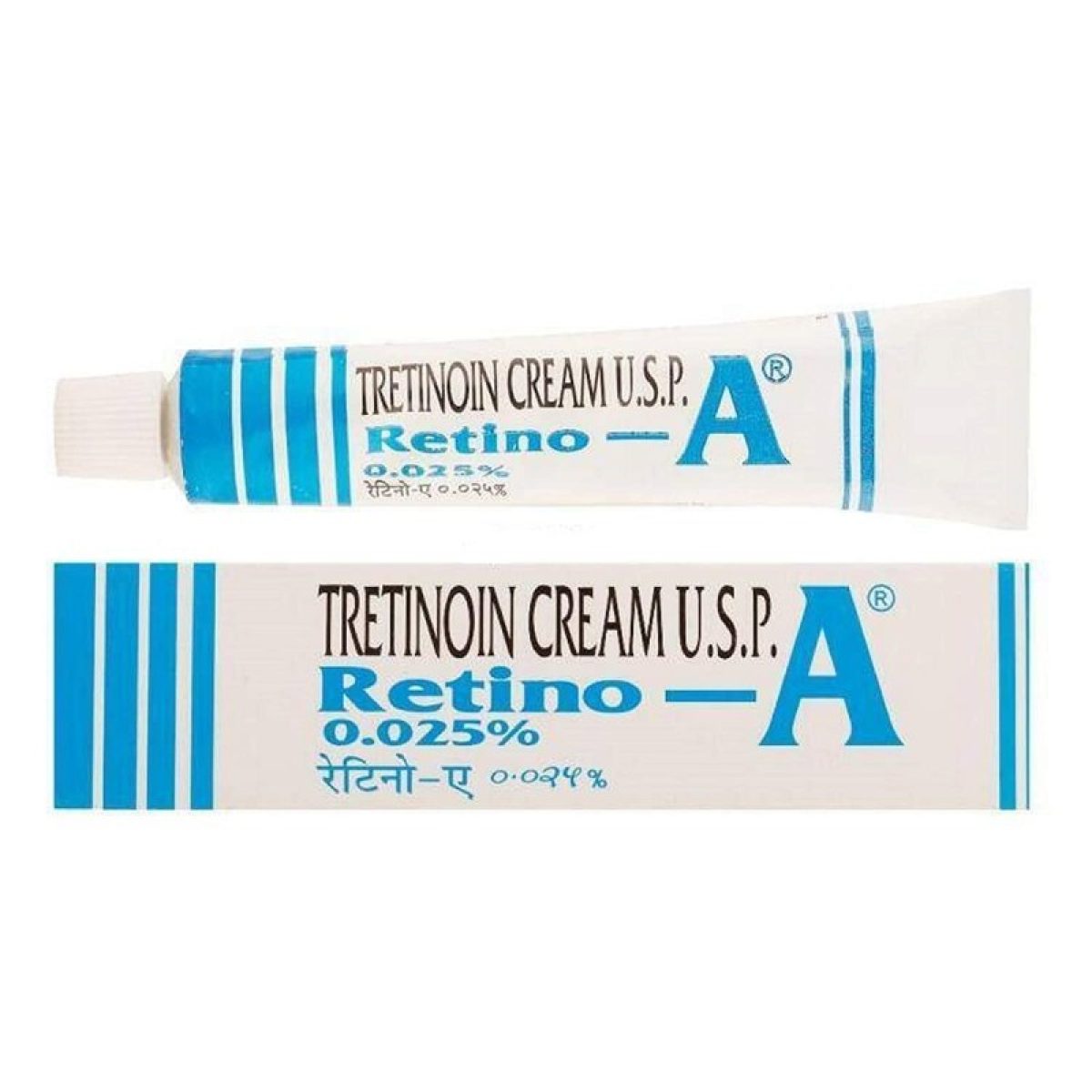
Understanding Retino A 0.025% Cream Johnson & Johnson
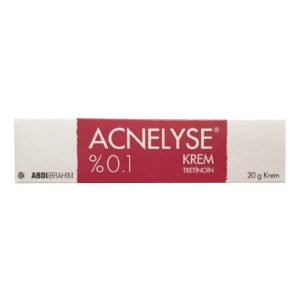
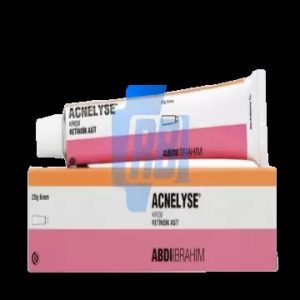
Retino A 0.025% Cream is a topical tretinoin formulation developed by Johnson & Johnson for research applications investigating retinoid receptor modulation and cellular processes. This research-grade preparation contains 0.025% tretinoin (all-trans retinoic acid), a vitamin A derivative that serves as a valuable tool for studying retinoid acid receptor (RAR) activation pathways. The formulation provides researchers with a standardised concentration for investigating dermatological research models and examining the molecular mechanisms underlying retinoid signalling. Stroid UK Shop offers this pharmaceutical-grade preparation for laboratory investigations into retinoid biology and cellular differentiation processes.
Research Applications
Researchers utilise this tretinoin formulation to study retinoid acid receptor activation and downstream gene expression patterns in cellular models. The compound demonstrates significant value in investigating keratinocyte differentiation, collagen synthesis pathways, and epithelial tissue remodelling mechanisms in laboratory settings. Studies have examined tretinoin’s effects on cellular proliferation rates, apoptosis induction, and matrix metalloproteinase expression in various research models. Investigators can explore other tretinoin formulations alongside complementary research compounds from our SARMS collection or peptide research tools to develop comprehensive experimental protocols examining tissue regeneration and cellular signalling networks.
Technical Specifications
| Active Compound | Tretinoin (All-trans retinoic acid) |
|---|---|
| Concentration | 0.025% (0.25 mg/g) |
| Formulation | Topical cream |
| Manufacturer | Johnson & Johnson |
| CAS Number | 302-79-4 |
| Molecular Formula | C₂₀H₂₈O₂ |
| Storage Conditions | 2-8°C, protect from light |
Compliance Notice
This tretinoin preparation is supplied exclusively for in-vitro research purposes and laboratory investigations. The product is not intended for human consumption, therapeutic use, or any clinical applications. Researchers must ensure compliance with institutional guidelines and maintain appropriate laboratory safety protocols when handling retinoid compounds. This formulation should only be utilised by qualified research personnel in properly equipped laboratory facilities for studying retinoid receptor biology and cellular differentiation mechanisms.