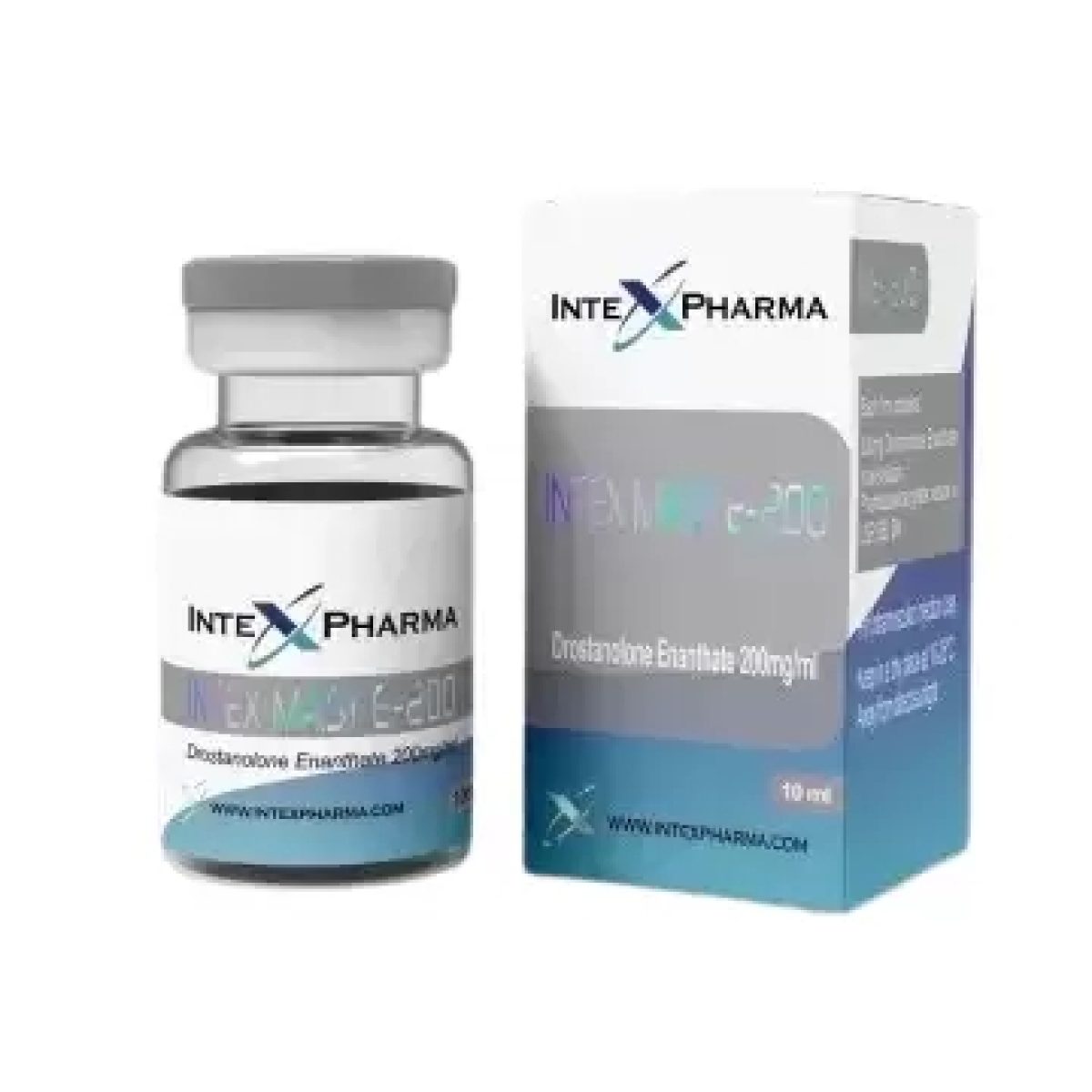
Research Grade Drostanolone Enanthate
MAST E-200 is a research-grade drostanolone enanthate formulation engineered for laboratory investigation of anabolic-androgenic steroid mechanisms. This injectable preparation delivers 200mg/mL concentration for consistent analytical protocols. Researchers at Stroid UK Shop have access to pharmaceutical-grade materials essential for advancing steroid biochemistry studies. Drostanolone enanthate represents a long-acting ester variant providing sustained release kinetics ideal for extended research protocols examining androgenic receptor binding patterns and tissue-selective activities.
Laboratory Research Applications
Scientists examine MAST E-200 for investigating androgen receptor modulation across various tissue types in controlled laboratory environments. The enanthate ester configuration offers extended half-life characteristics suitable for research requiring prolonged observation periods. Comparative studies analyse binding affinities between different androgenic compounds, while metabolic research explores hepatic processing pathways. Researchers working with steroid injection preparations utilise this compound alongside selective androgen receptor modulators to understand differential receptor activation mechanisms. Integration with peptide research provides comprehensive insights into hormonal signalling cascades and regulatory feedback loops affecting cellular proliferation and differentiation processes.
Product Specifications
| Parameter | Value |
|---|---|
| Active Compound | Drostanolone Enanthate |
| Concentration | 200mg/mL |
| Ester Type | Enanthate (Long-acting) |
| Manufacturer | Intex Pharma |
| CAS Number | Verify with supplier |
| Molecular Formula | Verify with supplier |
| Storage Requirements | Room temperature, protected from light |
Research Compliance Statement
MAST E-200 INTEX PHARMA is manufactured exclusively for in-vitro laboratory research applications. This product is not intended for human consumption, therapeutic use, or any clinical applications. Researchers must ensure appropriate laboratory safety protocols and regulatory compliance within their institutional frameworks.