Understanding Salbutramol Pharmaceutical
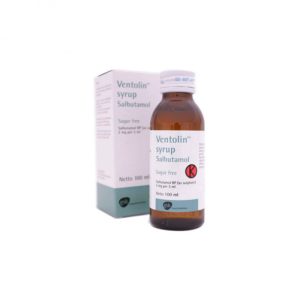
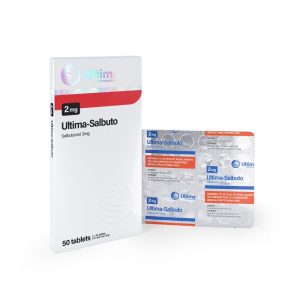
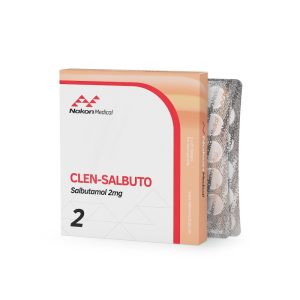
Salbutamol pharmaceutical is a selective beta-2 adrenergic receptor agonist extensively studied in respiratory pharmacology research. This bronchodilator compound demonstrates high affinity for beta-2 adrenoreceptors and serves as a valuable reference standard for investigating adrenergic signalling pathways in laboratory settings. Researchers at Stroid UK Shop can access pharmaceutical-grade salbutamol for comprehensive in-vitro studies examining receptor binding kinetics and downstream cellular responses.
Laboratory Research Applications
Salbutamol pharmaceutical enables detailed investigation of beta-2 adrenergic receptor pharmacology in controlled laboratory environments. Research applications include studying bronchial smooth muscle relaxation mechanisms, examining cyclic adenosine monophosphate (cAMP) elevation pathways, and analysing receptor selectivity profiles. Scientists investigating respiratory physiology often examine salbutamol alongside compounds from our specialised pharmaceutical research collection to evaluate comparative receptor binding affinities. The compound’s established pharmacological profile makes it particularly valuable for calibration studies and positive control experiments in adrenergic receptor research protocols.
Pharmaceutical Specifications
| Parameter | Specification |
|---|---|
| Chemical Name | Salbutamol (Albuterol) |
| CAS Number | 18559-94-9 |
| Molecular Formula | C₁₃H₂₁NO₃ |
| Molecular Weight | 239.31 g/mol |
| Purity | Pharmaceutical grade |
| Storage | Room temperature, dry conditions |
Our pharmaceutical-grade salbutamol maintains optimal stability when stored according to recommended conditions. Researchers investigating similar beta-agonist mechanisms may also examine compounds available in our SARM research collection or explore additional pharmacological tools within our peptide research catalogue for comprehensive comparative studies.
Research Compliance Statement
Salbutamol pharmaceutical is supplied exclusively for in-vitro laboratory research purposes and is not intended for human consumption, therapeutic use, or any form of in-vivo application. This research chemical must be handled by qualified laboratory personnel in appropriate research facilities with adequate safety protocols. All experiments should be conducted in accordance with institutional guidelines and applicable regulations governing laboratory research chemical handling and disposal procedures.