Research Overview of Adaferin Gel 0.1%
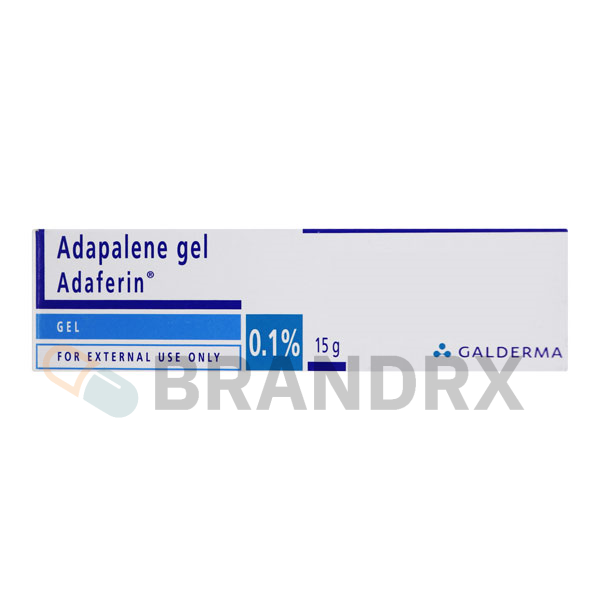
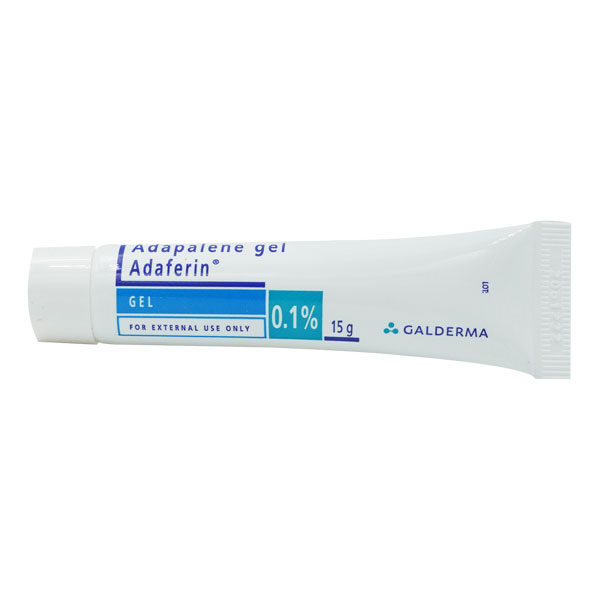
Adaferin Gel 0.1% is a topical retinoid preparation manufactured by Galderma containing adapalene as its active pharmaceutical ingredient. This third-generation retinoid belongs to the naphthoic acid class and represents a significant advancement in dermatological research compounds. Researchers at Stroid UK Shop can investigate this synthetic retinoid analogue which demonstrates selective binding to specific retinoic acid receptor subtypes. The gel formulation provides enhanced stability and controlled release characteristics compared to traditional retinoid preparations, making it particularly valuable for in-vitro studies examining retinoid receptor interactions and cellular responses.
Applications in Dermatological Research
Laboratory researchers utilise Adaferin Gel to examine comedolytic mechanisms and anti-inflammatory pathways in cellular models. The compound’s selective RAR-β and RAR-γ receptor binding profile offers unique research opportunities for studying retinoid signaling cascades. Scientists investigating keratinocyte differentiation processes frequently incorporate this preparation into their studies alongside compounds from our tretinoin research category. The gel matrix allows for controlled exposure studies and penetration analysis in tissue culture models. Comparative studies with traditional retinoids help researchers understand the advantages of this naphthoic acid derivative in cellular biology applications.
Product Specifications
| Active Ingredient | Adapalene 0.1% |
|---|---|
| Manufacturer | Galderma |
| Formulation | Topical Gel |
| Chemical Class | Naphthoic Acid Derivative |
| Storage Requirements | Room Temperature, Protected from Light |
| Research Applications | Retinoid Receptor Studies |
Research institutions often combine studies of topical retinoids with investigations of selective androgen receptor modulators and peptide compounds to examine multi-pathway approaches in cellular research.
Research Use Compliance Statement
Adaferin Gel 0.1% is supplied exclusively for laboratory research applications and in-vitro studies. This product is not intended for human consumption, therapeutic use, or any application outside controlled laboratory environments. Researchers must ensure compliance with institutional guidelines and maintain appropriate documentation for all experimental protocols involving this research compound.