Product Overview: Huminsulin N
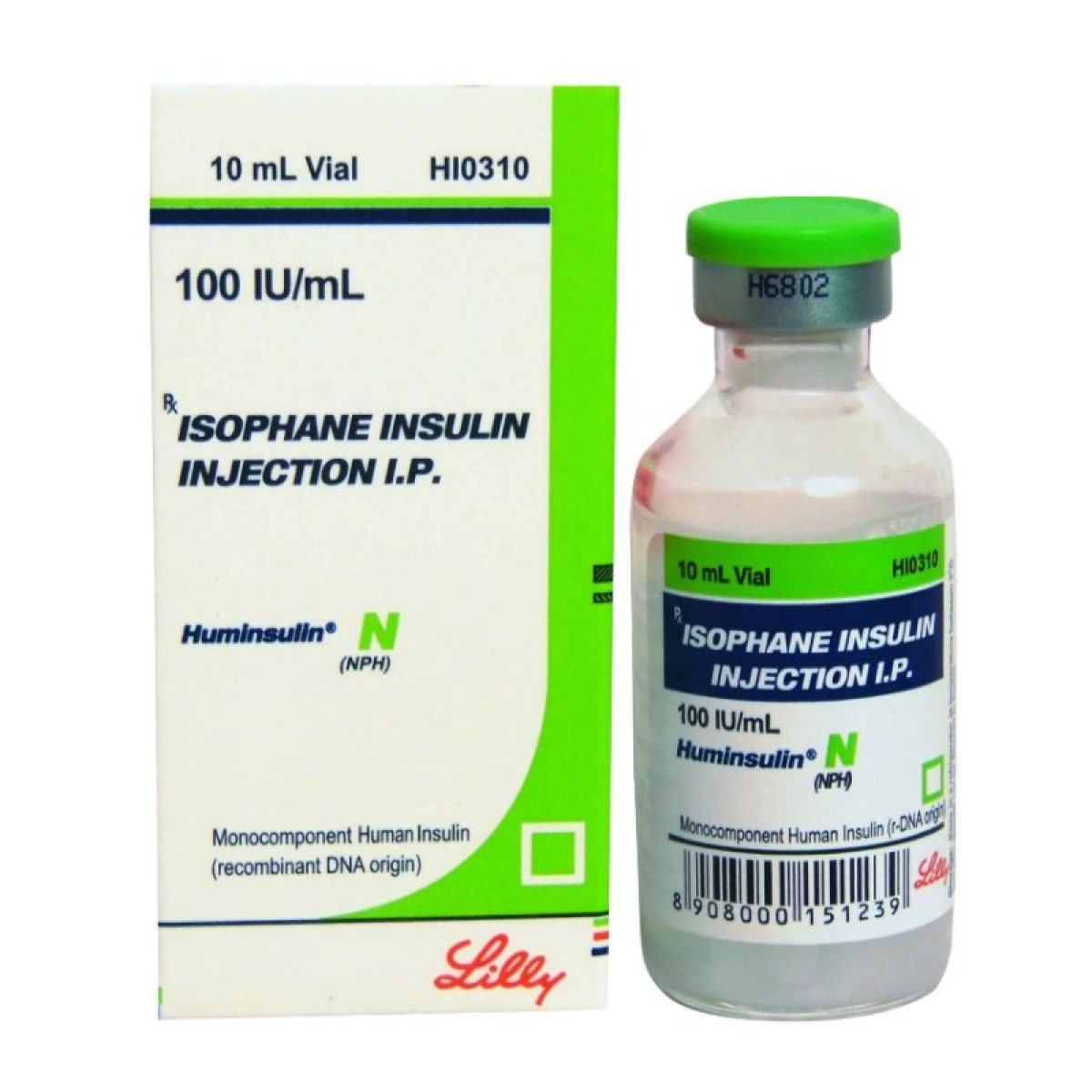
Huminsulin N 100IU Eli Lilly is an intermediate-acting recombinant human insulin preparation designed for laboratory research applications. This pharmaceutical-grade compound enables researchers to investigate insulin pharmacokinetics, glucose metabolism pathways, and endocrine system interactions in controlled experimental settings. As a leading UK research chemical supplier, Stroid UK Shop provides this authentic Eli Lilly preparation to support advanced metabolic research protocols.
Laboratory Applications
This insulin formulation serves as an essential tool for studying diabetes models, metabolic syndrome research, and glucose homeostasis investigations. Research teams utilise Huminsulin N to examine insulin sensitivity mechanisms, cellular glucose uptake pathways, and pancreatic beta-cell function in various experimental paradigms. The intermediate-acting profile allows for sustained research observations of insulin effects over extended timeframes. Studies frequently incorporate this compound when investigating metabolic disorders, examining insulin resistance models, or evaluating glucose tolerance mechanisms. Researchers also explore its applications alongside other compounds from our general health and insulin category to create comprehensive metabolic research protocols.
Product Specifications
| Parameter | Value |
|---|---|
| Active Ingredient | Human Insulin (rDNA origin) |
| Concentration | 100IU/mL |
| Manufacturer | Eli Lilly |
| Formulation | NPH Suspension |
| Storage Temperature | 2-8°C |
| Molecular Weight | 5808 Da |
Research laboratories often integrate insulin studies with investigations into selective androgen receptor modulators to examine metabolic-anabolic interactions, or combine with peptide research to explore comprehensive endocrine system dynamics.
Research Compliance
This product is intended strictly for in-vitro laboratory research purposes only. Not approved for human consumption, therapeutic use, or any application outside controlled research environments. Researchers must follow institutional protocols and safety guidelines when handling this compound.