Tugain Solution 2% Cipla: Compound Profile
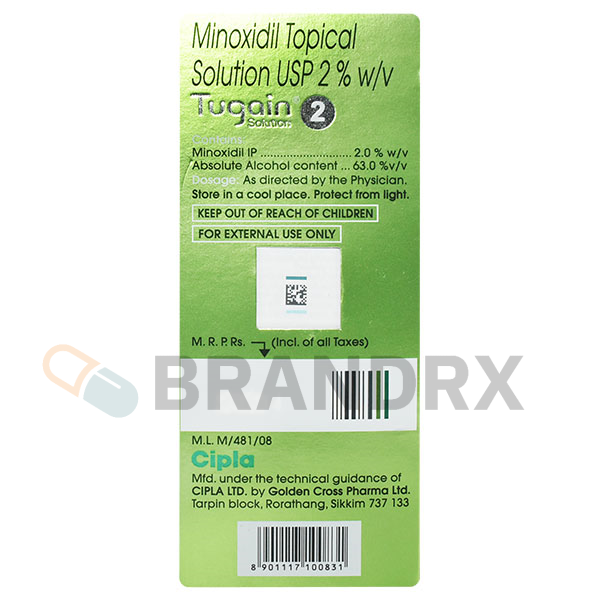
Tugain Solution 2% Cipla is a topical minoxidil formulation manufactured by Cipla Pharmaceuticals for advanced dermatological research applications. This solution contains 2% minoxidil as the active pharmaceutical ingredient, formulated in a propylene glycol-ethanol vehicle system optimised for epidermal penetration studies. Researchers at Stroid UK Shop examine this compound’s vasodilatory properties and effects on hair follicle cycling mechanisms. The solution demonstrates consistent pharmaceutical-grade quality standards essential for reproducible experimental outcomes in controlled laboratory environments.
Laboratory Applications
Research scientists investigate Tugain Solution’s mechanisms of action through various in-vitro and ex-vivo methodologies. The compound’s primary research applications include examining potassium channel opening effects, studying angiogenesis pathways in dermal tissue models, and analysing hair follicle stem cell activation mechanisms. Investigators within the cardiovascular research field also examine minoxidil’s peripheral vasodilation properties and endothelial function modulation. Advanced research protocols evaluate the compound’s effects on prostaglandin synthesis and vascular endothelial growth factor expression in cultured cell systems. Comparative studies often examine this formulation alongside other research compounds from selective androgen receptor modulator categories and peptide research collections to understand synergistic mechanisms.
Product Specifications
| Active Ingredient | Minoxidil 2% |
|---|---|
| Manufacturer | Cipla Pharmaceuticals |
| Formulation | Topical Solution |
| Volume | Verify with supplier |
| Storage | Room temperature, away from light |
| CAS Number | 38304-91-5 |
Research Compliance
Tugain Solution 2% Cipla is supplied exclusively for in-vitro laboratory research purposes and analytical studies. This product is not intended for human consumption, therapeutic use, or any application outside controlled research environments. Researchers must maintain appropriate laboratory safety protocols and institutional approval for all experimental procedures involving this compound.