Levotiron Abdi Ibragim — Research Summary
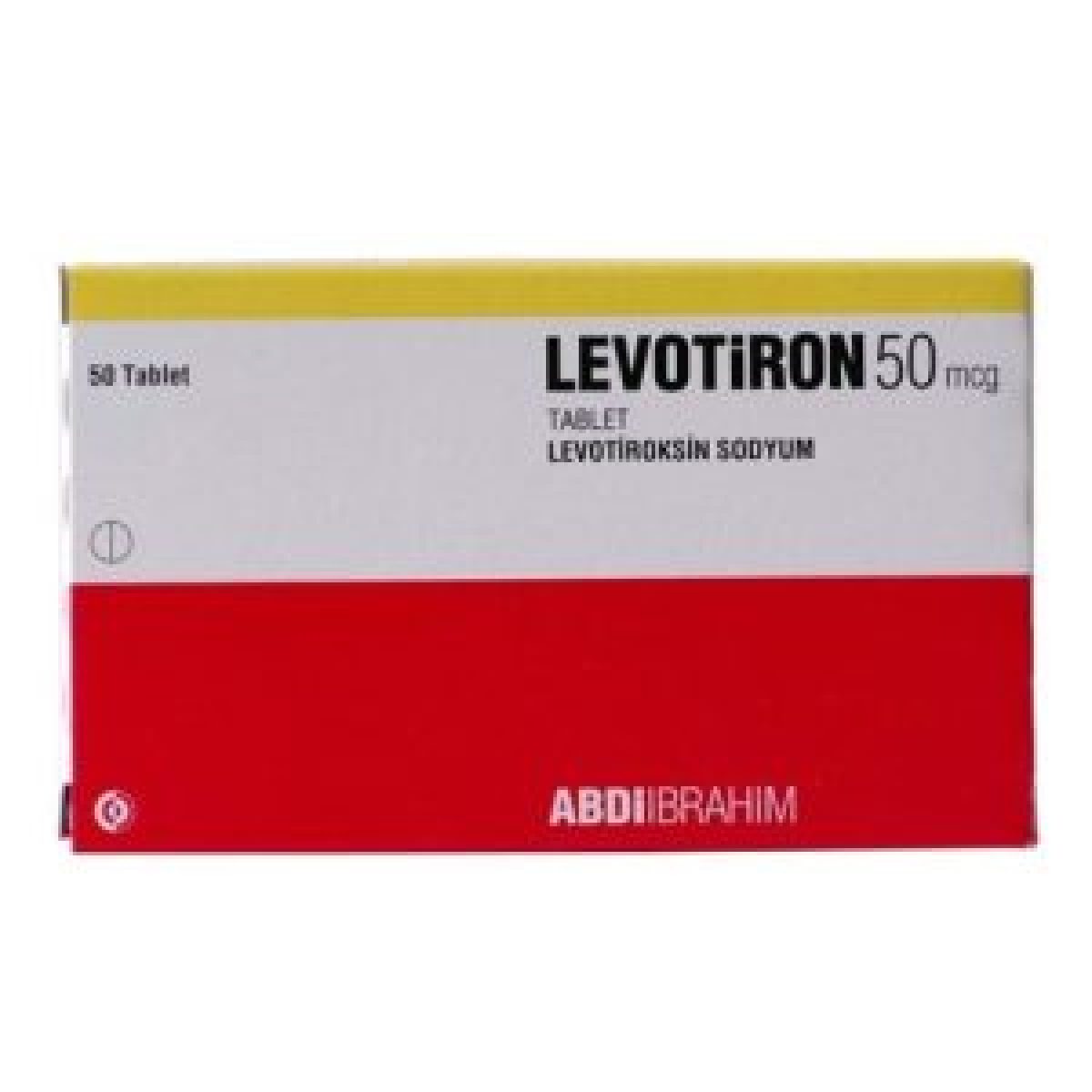
Levotiron Abdi Ibrahim is a pharmaceutical-grade L-Thyroxine Sodium (LT4) preparation specifically manufactured for advanced laboratory research applications. This synthetic thyroid hormone compound enables researchers to investigate thyroid hormone receptor binding, metabolic pathway modulation, and cellular energy homeostasis mechanisms in controlled experimental conditions. The formulation provides standardised LT4 sodium content suitable for precise dosimetric analysis and comparative studies examining thyroid hormone physiology. Research teams at Stroid UK Shop utilise this compound to evaluate thyroid hormone replacement protocols and metabolic regulatory pathways.
Laboratory Applications
Research applications focus on thyroid hormone receptor interactions, examining how LT4 sodium binds to nuclear thyroid hormone receptors and modulates gene transcription patterns in cellular models. Studies investigate the conversion pathways from T4 to the more potent T3 hormone through peripheral tissue deiodinase enzyme activity. Metabolic research examines LT4’s influence on basal metabolic rate regulation, thermogenesis protocols, and mitochondrial oxidative phosphorylation efficiency in laboratory settings. Comparative analysis with compounds from our L-Thyroxine research category enables comprehensive thyroid hormone pathway evaluation. Additional investigations explore LT4’s interactions with other research compounds available in our SARMs collection and peptide research range for comprehensive metabolic studies.
Specifications
| Parameter | Value |
|---|---|
| Chemical Name | L-Thyroxine Sodium |
| CAS Number | 25416-65-3 |
| Molecular Formula | C₁₅H₁₀I₄NNaO₄ |
| Molecular Weight | 798.85 g/mol |
| Manufacturer | Abdi Ibrahim |
| Storage | Room temperature, dry |
Research Compliance
Levotiron Abdi Ibrahim is supplied exclusively for in-vitro laboratory research applications and analytical testing procedures. This product is not intended for human consumption, clinical use, or any diagnostic purposes. Researchers must maintain appropriate laboratory safety protocols and disposal procedures when handling this compound. All investigations should comply with institutional research guidelines and applicable regulatory frameworks governing laboratory research activities.