

Cozaar 100 MSD Research Overview
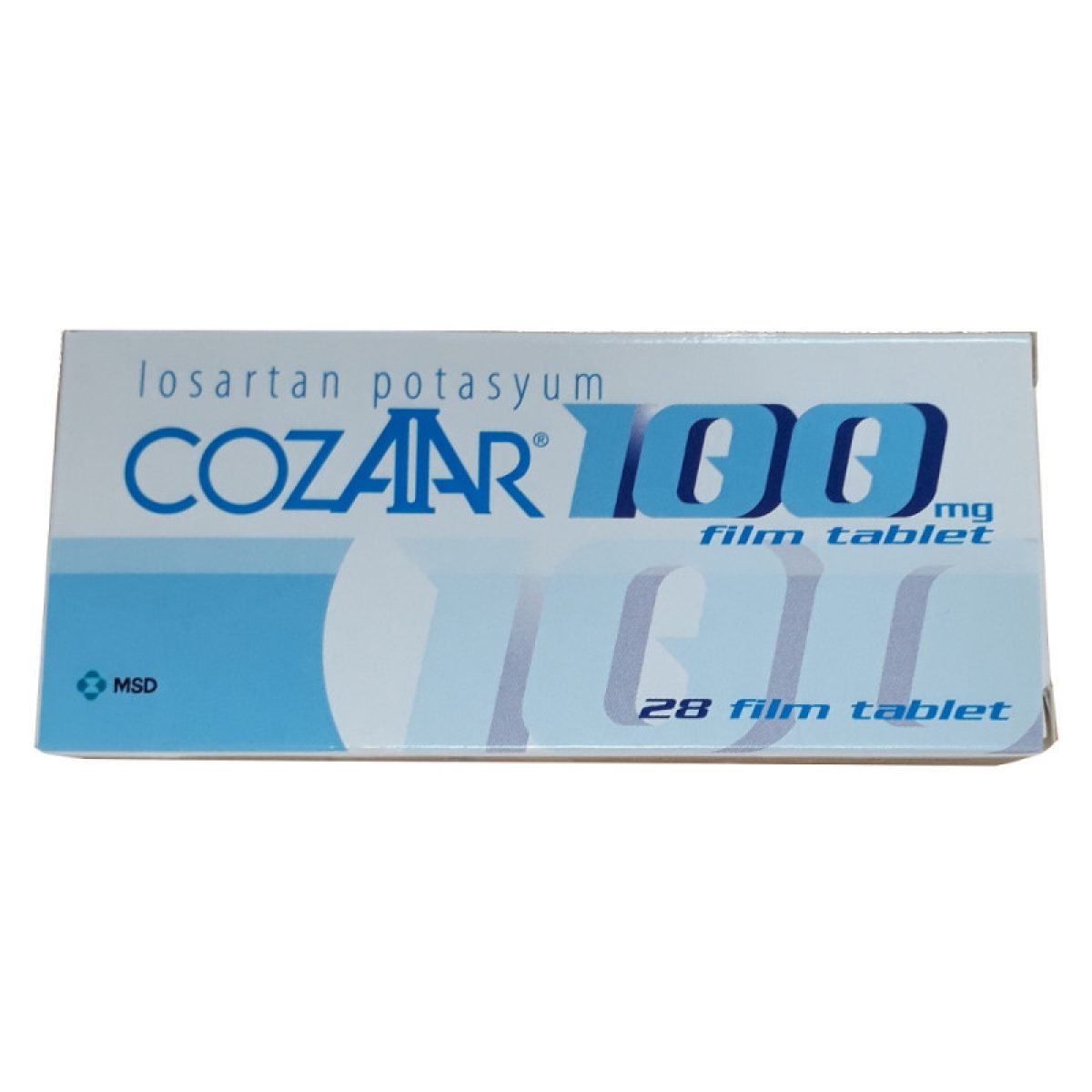
Cozaar 100 MSD is a pharmaceutical-grade formulation containing losartan potassium as the active compound. Losartan is a selective angiotensin II receptor Type 1 (AT1) antagonist that researchers study extensively in cardiovascular pharmacology investigations. This MSD-manufactured preparation offers consistent potency for laboratory applications examining renin-angiotensin system modulation pathways. Research teams at Stroid UK Shop utilize these tablets to investigate receptor binding mechanisms and cellular signalling cascades in controlled laboratory environments.
Research Applications and Mechanisms
Scientists evaluate Cozaar 100 MSD in studies examining angiotensin receptor pharmacodynamics and cardiovascular research models. The losartan compound demonstrates selective antagonism at AT1 receptors, blocking angiotensin II-mediated vasoconstriction and aldosterone release in experimental systems. Research applications include investigating blood pressure regulation pathways, renal function mechanisms, and cardiac remodelling processes. Laboratory teams studying losartan compounds analyse its effects on vascular smooth muscle contraction and endothelial function in vitro. Advanced pharmacological studies examine the compound’s interaction with related cardiovascular pathways alongside selective androgen receptor modulators and bioactive peptides in comprehensive metabolic research protocols.
Pharmaceutical Specifications
| Parameter | Value |
|---|---|
| Active Compound | Losartan Potassium |
| Strength | 100mg per tablet |
| Manufacturer | MSD (Merck Sharp & Dohme) |
| CAS Number | 124750-99-8 |
| Molecular Formula | C₂₂H₂₂ClKN₆O |
| Molecular Weight | 461.00 g/mol |
| Storage Conditions | Room temperature, dry environment |
| Research Use | AT1 receptor studies, cardiovascular research |
Laboratory Compliance Standards
Cozaar 100 MSD tablets are exclusively intended for in-vitro laboratory research applications and scientific investigation purposes. These pharmaceutical preparations are not approved for human consumption, therapeutic use, or any clinical applications outside controlled laboratory environments. Research institutions must maintain appropriate storage conditions and implement proper handling protocols when studying this angiotensin receptor antagonist. All experimental procedures involving this compound must comply with institutional research guidelines and laboratory safety standards for pharmaceutical-grade materials.