
Dropoetin Research Overview
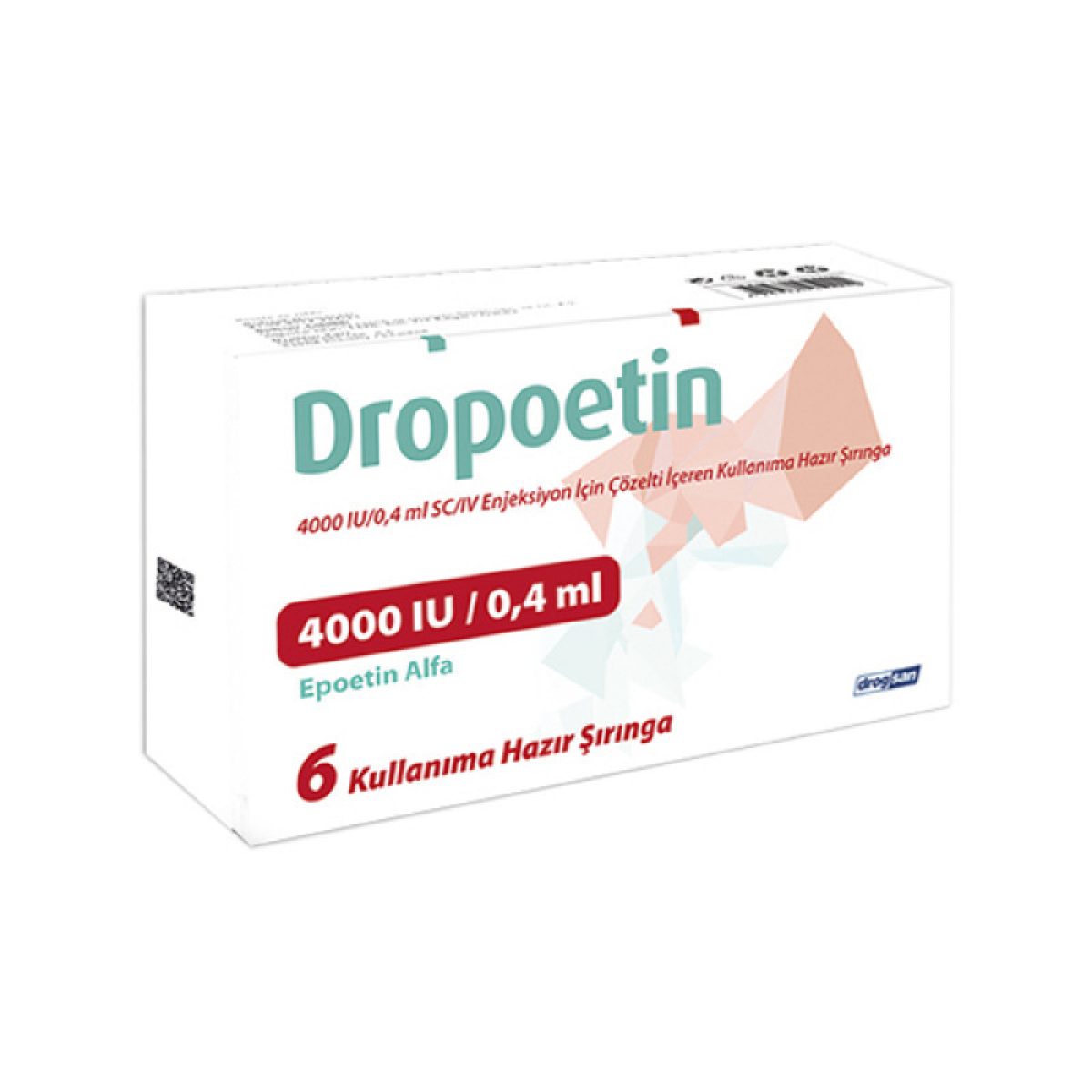
Dropoetin 4000IU is a recombinant erythropoietin formulation manufactured by DROGSAN for advanced laboratory research applications. This pharmaceutical-grade compound represents a synthetic analogue of human erythropoietin, the endogenous glycoprotein hormone responsible for regulating erythropoiesis in mammalian systems. Research facilities investigating hematopoietic mechanisms rely on preparations like Dropoetin to examine red blood cell production pathways and related physiological processes. The 4000IU concentration provides researchers with precise dosing capability for in-vitro studies examining erythropoietin receptor binding and downstream signalling cascades.
Laboratory Applications
Researchers at Stroid UK Shop examine Dropoetin across multiple experimental frameworks investigating erythropoiesis regulation. Laboratory studies evaluate the compound’s effects on erythroid progenitor cell proliferation and differentiation in controlled cell culture environments. Research teams analyse Dropoetin’s interaction with erythropoietin receptors to understand signal transduction mechanisms governing red blood cell maturation. Advanced research protocols investigate the compound’s role in hypoxia-inducible factor pathways and their relationship to oxygen sensing mechanisms. Studies within our erythropoietin research category complement broader investigations into peptide hormones and growth factors. Comparative studies often examine Dropoetin alongside compounds from our SARMs collection and peptide research materials to understand multi-pathway interactions affecting cellular metabolism.
Technical Specifications
| Parameter | Value |
|---|---|
| Product Name | Dropoetin 4000IU |
| Manufacturer | DROGSAN |
| Concentration | 4000 International Units |
| CAS Number | Verify with supplier |
| Molecular Formula | Verify with supplier |
| Storage Requirements | 2-8°C, protected from light |
Research Compliance
Dropoetin 4000IU is supplied strictly for in-vitro research purposes only. This product is not intended for human consumption, therapeutic use, or any clinical applications. Research facilities must maintain proper laboratory protocols and safety procedures when handling this compound. All experimental work should be conducted by qualified research personnel in appropriate laboratory settings with adequate safety equipment and waste disposal procedures.