Peptide Research Overview
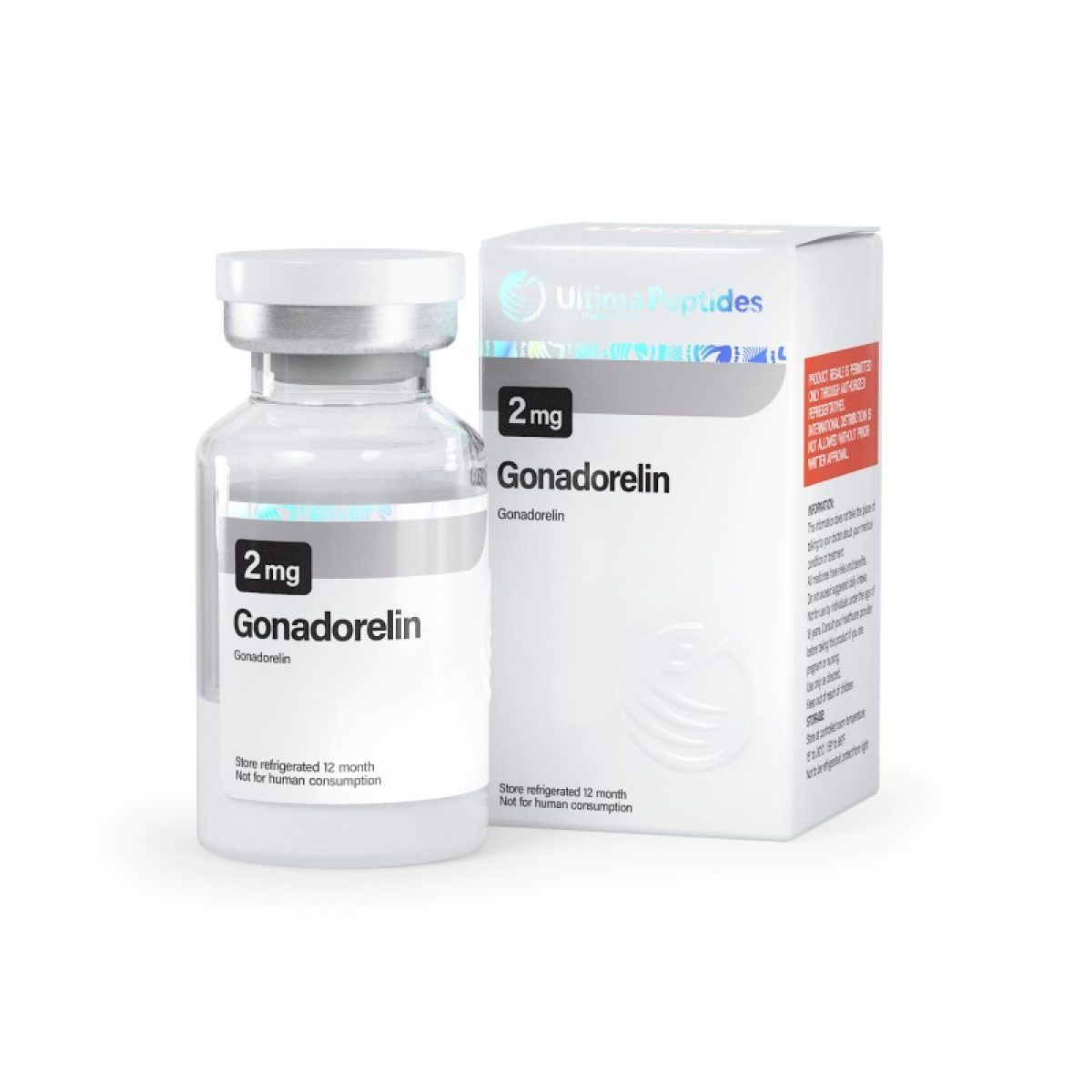
Gonadorelin is a synthetic decapeptide analogue of luteinising hormone-releasing hormone (LHRH) used extensively in endocrinological research applications. This compound represents the identical amino acid sequence to endogenous gonadotropin-releasing hormone (GnRH), making it valuable for investigating hypothalamic-pituitary-gonadal axis mechanisms in controlled laboratory environments. Researchers at Stroid UK Shop can examine this peptide’s molecular interactions with LHRH receptors to better understand reproductive endocrinology pathways.
Laboratory Research Applications
In preclinical studies, gonadorelin demonstrates high binding affinity for LHRH receptors located throughout the anterior pituitary gland. Researchers investigate this compound’s role in stimulating follicle-stimulating hormone (FSH) and luteinising hormone (LH) release through second messenger cascade activation. The peptide’s pulsatile release patterns are studied extensively in cell culture models to understand temporal hormone regulation mechanisms. Scientists examining gonadorelin peptide research often focus on receptor binding kinetics, downstream signalling pathways, and comparative analyses with other hypothalamic releasing factors. This compound serves as a reference standard for SARMs research examining hormonal feedback loops, while complementing broader peptide studies investigating neuroendocrine regulation.
Compound Specifications
| Parameter | Specification |
|---|---|
| Sequence | pGlu-His-Trp-Ser-Tyr-Gly-Leu-Arg-Pro-Gly-NH2 |
| Molecular Weight | 1182.32 g/mol |
| CAS Number | 34973-08-5 |
| Purity | ≥98% (HPLC verified) |
| Form | Lyophilised white powder |
| Storage | -20°C protected from light |
| Solubility | Water, sterile saline |
Research Compliance Statement
Ultima Gonadorelin 2mg is manufactured exclusively for in-vitro laboratory research purposes and is not approved for human consumption, therapeutic use, or clinical application. This research-grade peptide should only be handled by qualified laboratory personnel in appropriate research facilities with proper safety protocols. Researchers must ensure compliance with local regulations governing peptide research compounds and maintain proper documentation for all experimental procedures involving this material.