Research Overview of T3 Triiodothyronine
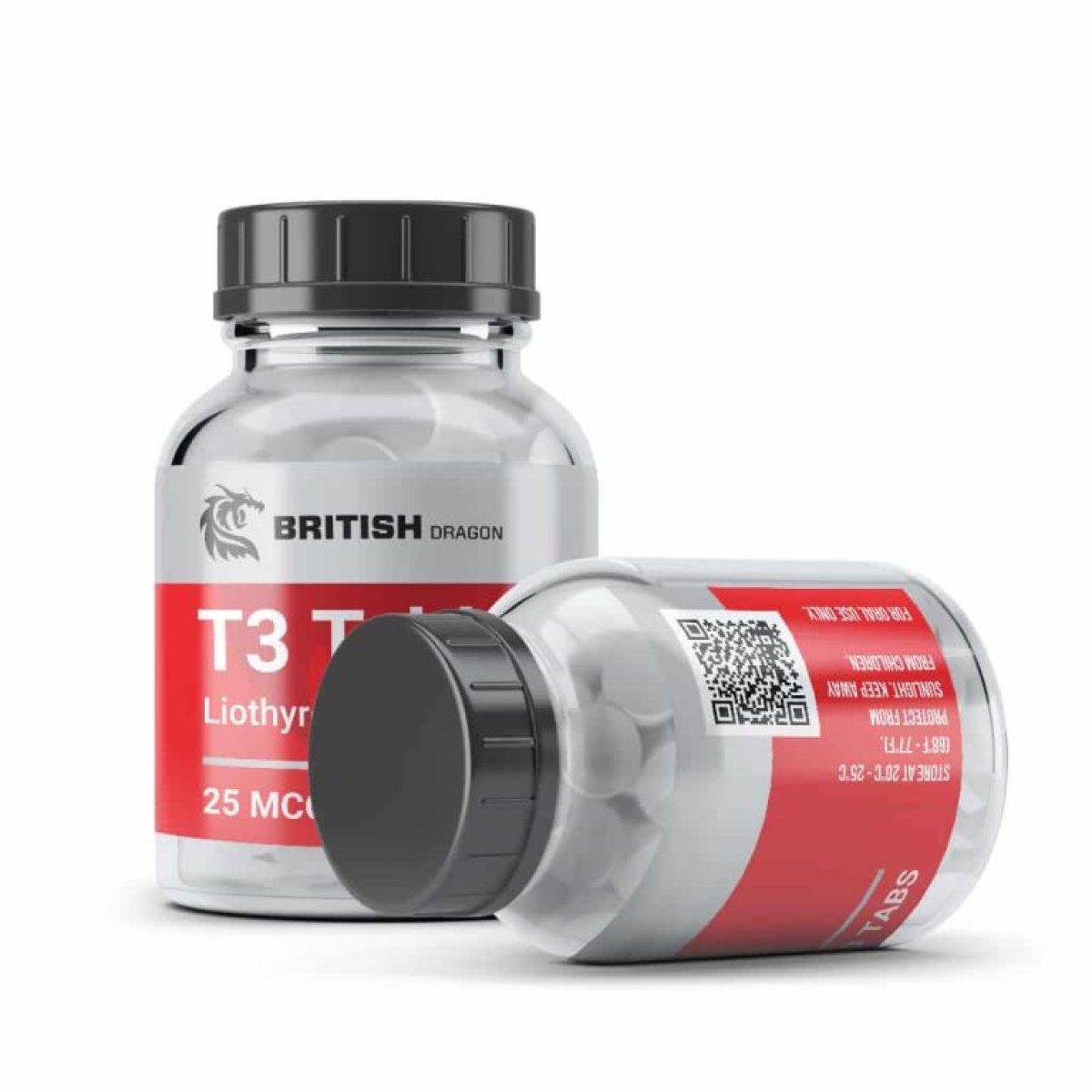
T3 British Dragon Pharmaceuticals is a synthetic triiodothyronine hormone compound utilised in metabolic research investigations. This laboratory-grade material enables researchers to examine thyroid hormone receptor interactions and cellular energy regulation mechanisms. Scientists at Stroid UK Shop source this compound for studies involving mitochondrial biogenesis, protein synthesis modulation, and thermogenic pathway analysis. The compound’s molecular structure allows for precise examination of T3 receptor binding affinities and downstream metabolic cascades in controlled laboratory environments.
Metabolic Research Applications
Research teams investigate T3’s role in cellular metabolism through various experimental protocols. The compound demonstrates significant effects on oxygen consumption rates and ATP production in isolated mitochondrial preparations. Studies examine its influence on uncoupling protein expression and fatty acid oxidation pathways. Researchers exploring fat burner compounds utilise T3 to understand thermogenic mechanisms at the molecular level. The material proves valuable for investigating glucose metabolism regulation and insulin sensitivity modulation in cell culture systems. Comparative studies with other metabolic modulators from SARM collections provide insights into different receptor pathway interactions.
Technical Specifications
| Parameter | Value |
|---|---|
| Chemical Name | 3,3′,5-Triiodo-L-thyronine |
| CAS Number | 6893-02-3 |
| Molecular Formula | C₁₅H₁₂I₃NO₄ |
| Molecular Weight | 650.97 g/mol |
| Storage Conditions | Room temperature, dry environment |
| Research Applications | Thyroid hormone receptor studies |
Laboratory protocols often combine T3 investigations with peptide research examining metabolic signalling pathways. The compound’s stability under standard laboratory conditions facilitates extended research protocols and multi-timepoint analysis studies.
Laboratory Compliance Statement
T3 British Dragon Pharmaceuticals is manufactured exclusively for in-vitro research purposes. This product is not approved for human consumption, therapeutic use, or any application outside controlled laboratory environments. Researchers must maintain appropriate safety protocols and ensure compliance with institutional guidelines when handling this material. All investigations should be conducted by qualified personnel in properly equipped research facilities.