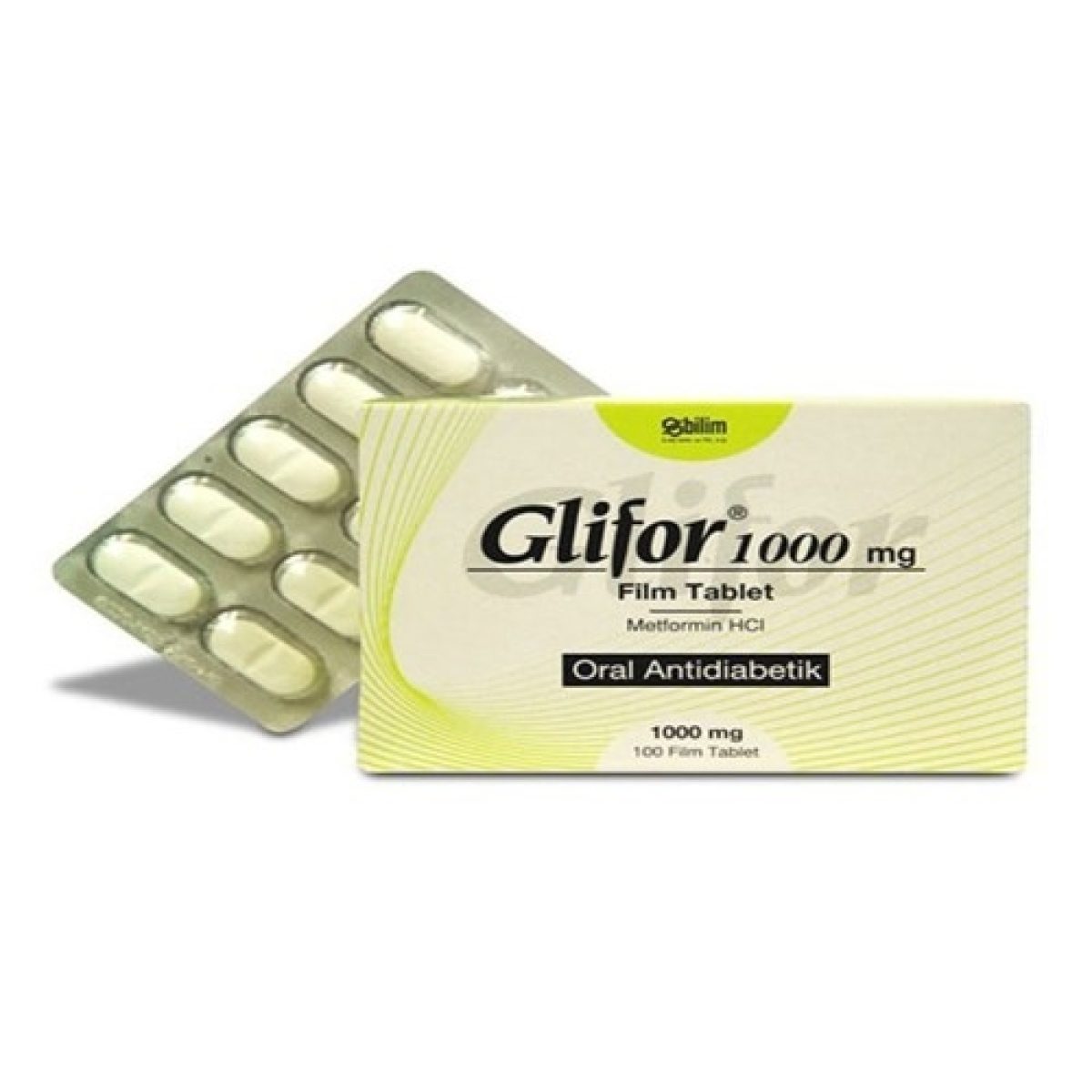


Product Overview: Glifor Bilim
Glifor Bilim is a metformin hydrochloride research compound formulated for comprehensive in-vitro laboratory investigation of metabolic regulatory mechanisms. Researchers at Stroid UK Shop examine this pharmaceutical-grade chemical for its well-documented effects on cellular glucose uptake, AMP-activated protein kinase (AMPK) pathway modulation, and mitochondrial respiratory chain inhibition. The compound serves as an essential tool for metabolic research, allowing scientists to analyse insulin sensitivity mechanisms and hepatic glucose production pathways in controlled laboratory environments.
Laboratory Applications
Research teams investigate Glifor Bilim’s molecular mechanisms through multiple experimental frameworks. Studies examine its inhibition of complex I in the mitochondrial electron transport chain, leading to increased AMP:ATP ratios and subsequent AMPK activation. Laboratory protocols evaluate the compound’s effects on gluconeogenesis suppression and enhanced peripheral glucose utilisation in cellular models. Researchers studying metabolic modulators frequently utilise this compound alongside other research chemicals available through specialised SARMS collections and peptide libraries to understand comprehensive metabolic pathways. The compound’s established pharmacological profile makes it valuable for comparative studies and mechanism elucidation research.
Specification Data
| Parameter | Value |
|---|---|
| Product Code | EU23774 |
| Chemical Identity | Metformin Hydrochloride |
| CAS Number | 1115-70-4 |
| Molecular Formula | C₄H₁₁N₅·HCl |
| Molecular Weight | 165.62 g/mol |
| Storage Requirements | Room temperature, dry environment |
| Research Applications | Metabolic pathway studies, AMPK research |
| Solubility | Water soluble |
Research Compliance
This product is manufactured exclusively for laboratory research purposes and in-vitro scientific investigation. Glifor Bilim is not intended for human consumption, therapeutic application, or any form of in-vivo experimentation. Researchers must ensure proper laboratory protocols, appropriate safety measures, and institutional review board approval where required. All studies should comply with relevant research guidelines and laboratory safety standards for chemical handling and disposal.