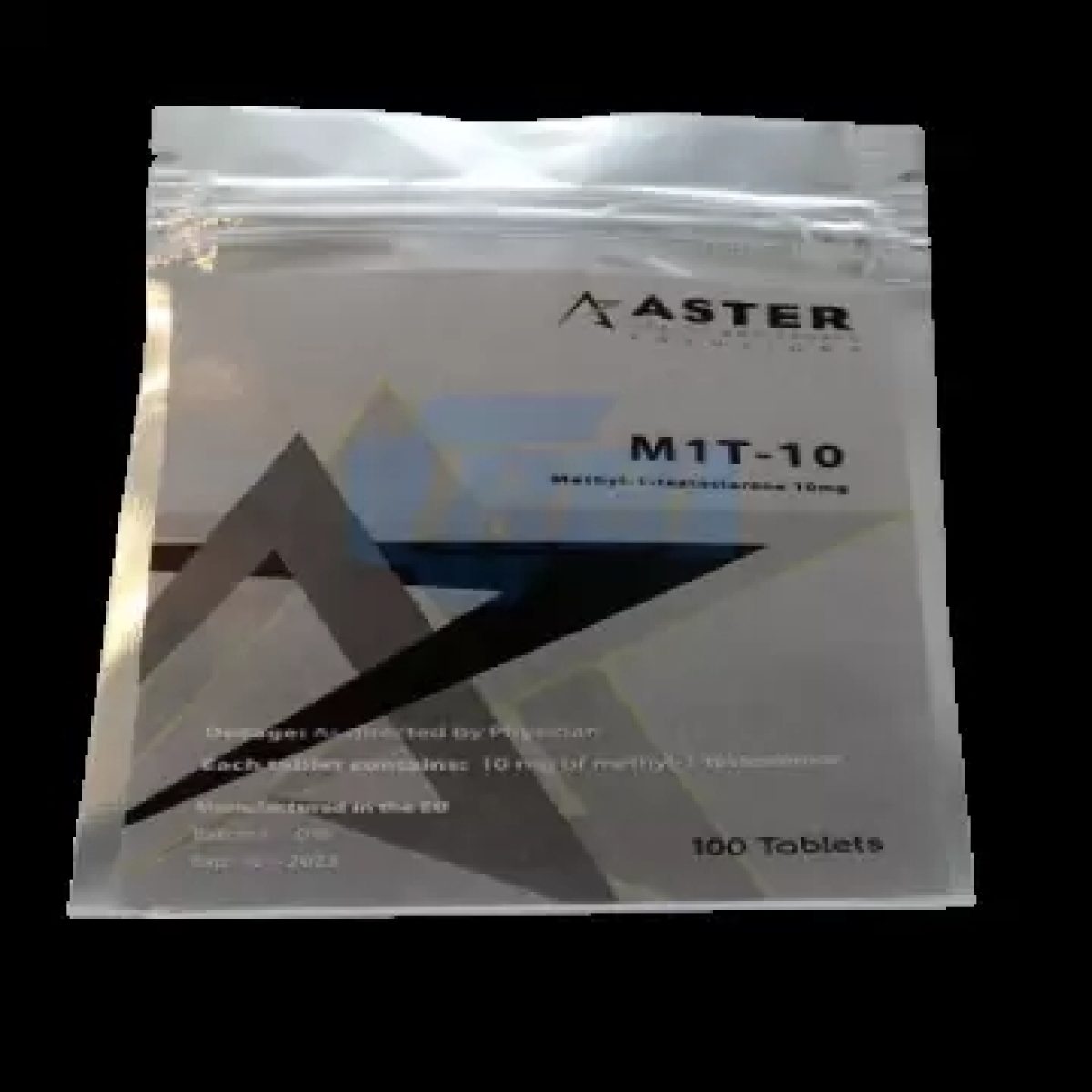
Understanding M1T-10 Aaster Health and Sports Solutions
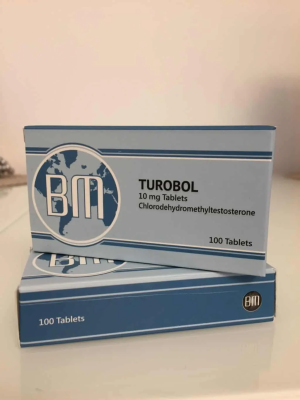
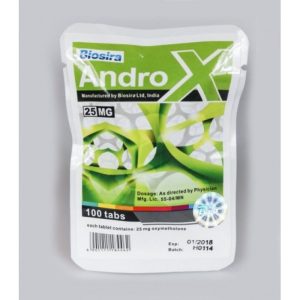
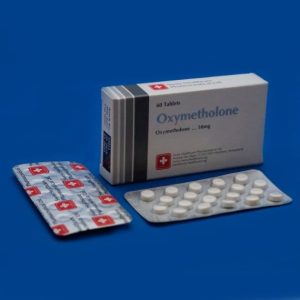
M1T-10 Aaster Health and Sports Solutions is a methyldrostanolone-based research compound designed for advanced steroid receptor investigations in laboratory environments. This oral steroid formulation enables researchers to examine methylated androgen pathways and tissue-selective receptor binding mechanisms in controlled experimental protocols. The compound’s methylated structure provides unique insights into hepatic metabolism and bioavailability studies, making it valuable for pharmaceutical research applications examining steroid pharmacokinetics and receptor selectivity profiles.
Laboratory Applications
Research teams can investigate this compound’s interactions with androgen receptor subtypes across different tissue models. Studies may examine the methylation effects on receptor binding affinity compared to non-methylated analogues, providing data on structure-activity relationships. The compound serves as a reference standard for investigating oral bioavailability mechanisms and first-pass metabolism effects in hepatic cell cultures. Researchers at Stroid UK Shop utilise this compound alongside other methyldrostanolone research materials for comprehensive steroid pathway analysis. Comparative studies with SARMs compounds demonstrate tissue selectivity differences, while parallel research with peptide modulators explores synergistic pathway interactions in cellular models.
Technical Specifications
| Parameter | Value |
|---|---|
| Product Code | EU2285 |
| Active Compound | Methyldrostanolone |
| Dosage Form | 10mg tablets |
| Manufacturer | Aaster Health and Sports Solutions |
| CAS Number | Verify with supplier |
| Molecular Formula | Verify with supplier |
| Storage Requirements | Room temperature, dry conditions |
Research Compliance Statement
M1T-10 Aaster Health and Sports Solutions is manufactured exclusively for in-vitro research applications and laboratory analysis. This product is not intended for human consumption, therapeutic use, or any application outside controlled research environments. Researchers must maintain appropriate laboratory protocols, safety procedures, and regulatory compliance when handling this compound. All studies should be conducted by qualified personnel in approved research facilities with proper ventilation and safety equipment.