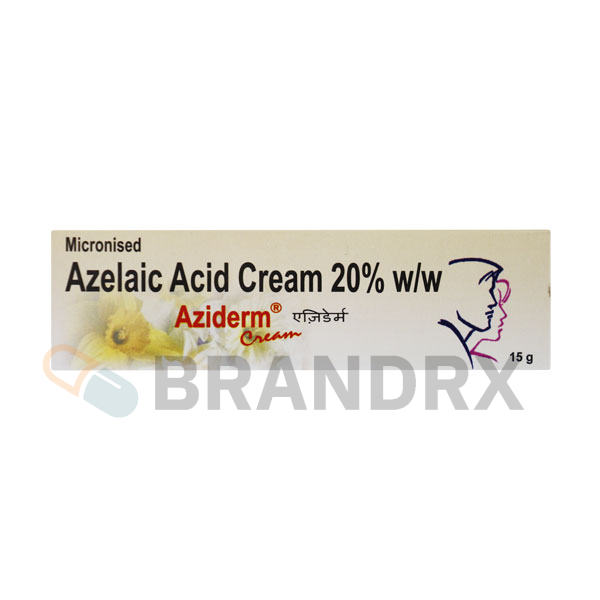
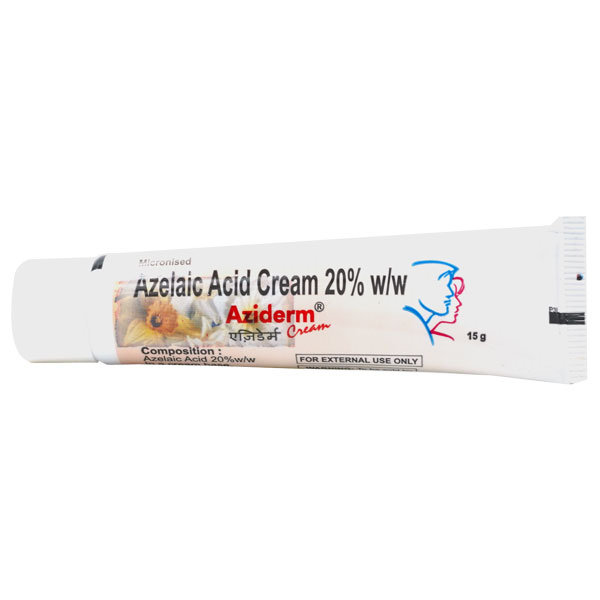

Aziderm Cream 20% Micro Laboratories Ltd. at a Glance
Aziderm Cream 20% is a topical azelaic acid preparation manufactured by Micro Laboratories Ltd for in-vitro dermatological research applications. Azelaic acid is a naturally occurring dicarboxylic acid with documented antimicrobial and keratolytic properties in preclinical models. This cream formulation provides researchers with a standardised 20% concentration for investigating skin barrier function, microbial resistance pathways, and inflammatory response mechanisms. Laboratory studies examining topical drug delivery systems often utilise this compound to evaluate penetration kinetics and tissue-specific activity. Stroid UK Shop supplies this research-grade formulation to support advanced dermatological investigations.
Research Applications
Scientific studies investigate azelaic acid’s mechanism of action through multiple cellular pathways including inhibition of bacterial protein synthesis and modulation of keratinocyte proliferation. Research models examine its effects on Propionibacterium acnes growth inhibition and comedogenesis pathways in cell culture systems. Inflammatory cascade studies evaluate its impact on neutrophil chemotaxis and reactive oxygen species production. Researchers studying azelaic acid formulations examine comparative bioavailability with other topical preparations. Laboratory investigations focus on melanosome transfer inhibition and tyrosinase activity modulation in melanocyte research. Academic institutions utilise this compound alongside selective androgen receptor modulators and research peptides for comprehensive skin biology studies.
Product Specifications
| Parameter | Value |
|---|---|
| Active Ingredient | Azelaic Acid 20% |
| Manufacturer | Micro Laboratories Ltd. |
| Formulation | Topical Cream |
| CAS Number | 123-99-9 |
| Storage Conditions | Room temperature, dry environment |
| Molecular Formula | C₉H₁₆O₄ |
Compliance Statement
This product is manufactured by Micro Laboratories Ltd exclusively for in-vitro research purposes and laboratory investigations. Not intended for human consumption, clinical use, or therapeutic applications. Researchers must follow institutional safety protocols and obtain appropriate ethical approvals before commencing studies. Storage and handling should comply with laboratory safety guidelines for chemical research materials.