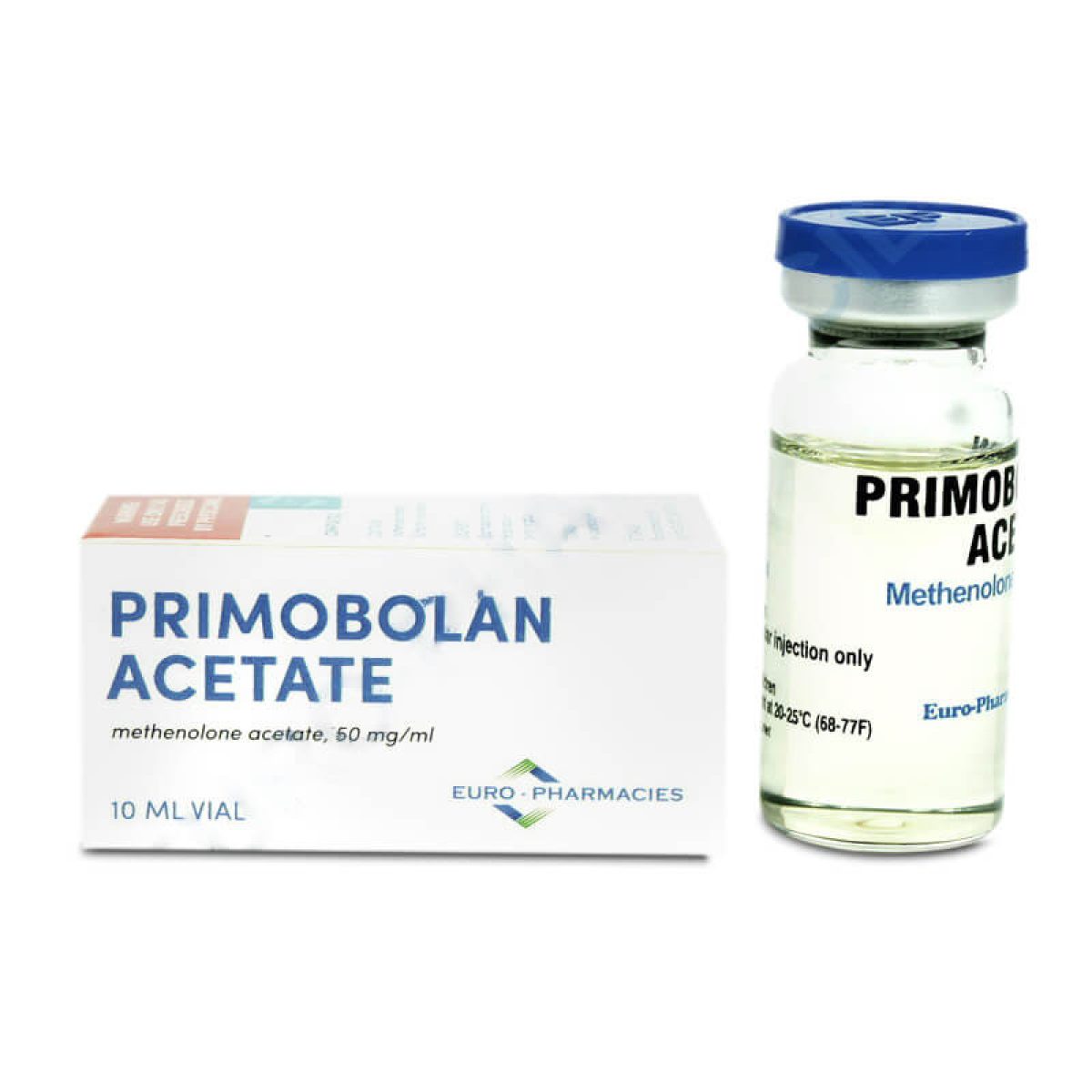
Product Overview: Methenolone Acetate –
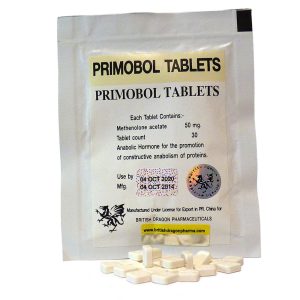
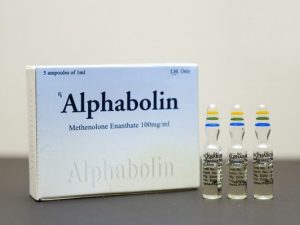
Methenolone acetate is a 17β-acetoxymethenolon derivative characterised by its 1-methyl-5α-dihydrotestosterone structure. This anabolic-androgenic steroid represents a unique molecular framework for studying androgen receptor interactions and tissue-selective activity patterns. Researchers at Stroid UK Shop utilise this compound to examine steroid structure-activity relationships and investigate the molecular mechanisms underlying anabolic processes in controlled laboratory environments.
Laboratory Applications
Scientific investigations focus on methenolone acetate’s binding affinity profiles across androgen receptor subtypes and its metabolic transformation pathways. Researchers studying methenolone compounds examine its unique resistance to 5α-reductase enzyme activity and reduced estrogenic conversion rates compared to testosterone derivatives. These properties make it valuable for comparative studies alongside selective androgen receptor modulators when investigating tissue-specific receptor activation patterns. The compound’s molecular stability allows extended observation periods in cell culture experiments examining protein synthesis pathways.
Product Specifications
| Concentration | 50mg/ml |
|---|---|
| Volume | 10ml vial |
| Manufacturer | USA Pharmaceutical |
| Chemical Name | 17β-Acetoxy-1-methyl-5α-androst-1-en-3-one |
| CAS Number | 434-05-9 |
| Storage Temperature | Room temperature, protected from light |
This pharmaceutical-grade preparation ensures consistent molecular integrity throughout extended research protocols. The injectable format provides precise volumetric measurements essential for quantitative receptor binding assays and metabolic pathway investigations. Researchers often compare these results with peptide-based compounds to understand different mechanisms of anabolic signalling.
Laboratory Compliance
This methenolone acetate preparation is manufactured exclusively for in-vitro research applications. Not intended for human consumption, therapeutic use, or any purpose outside controlled laboratory environments. Researchers must ensure appropriate institutional approval and safety protocols when handling this research chemical.