Scientific Overview of 1-Testosterone Cypionate
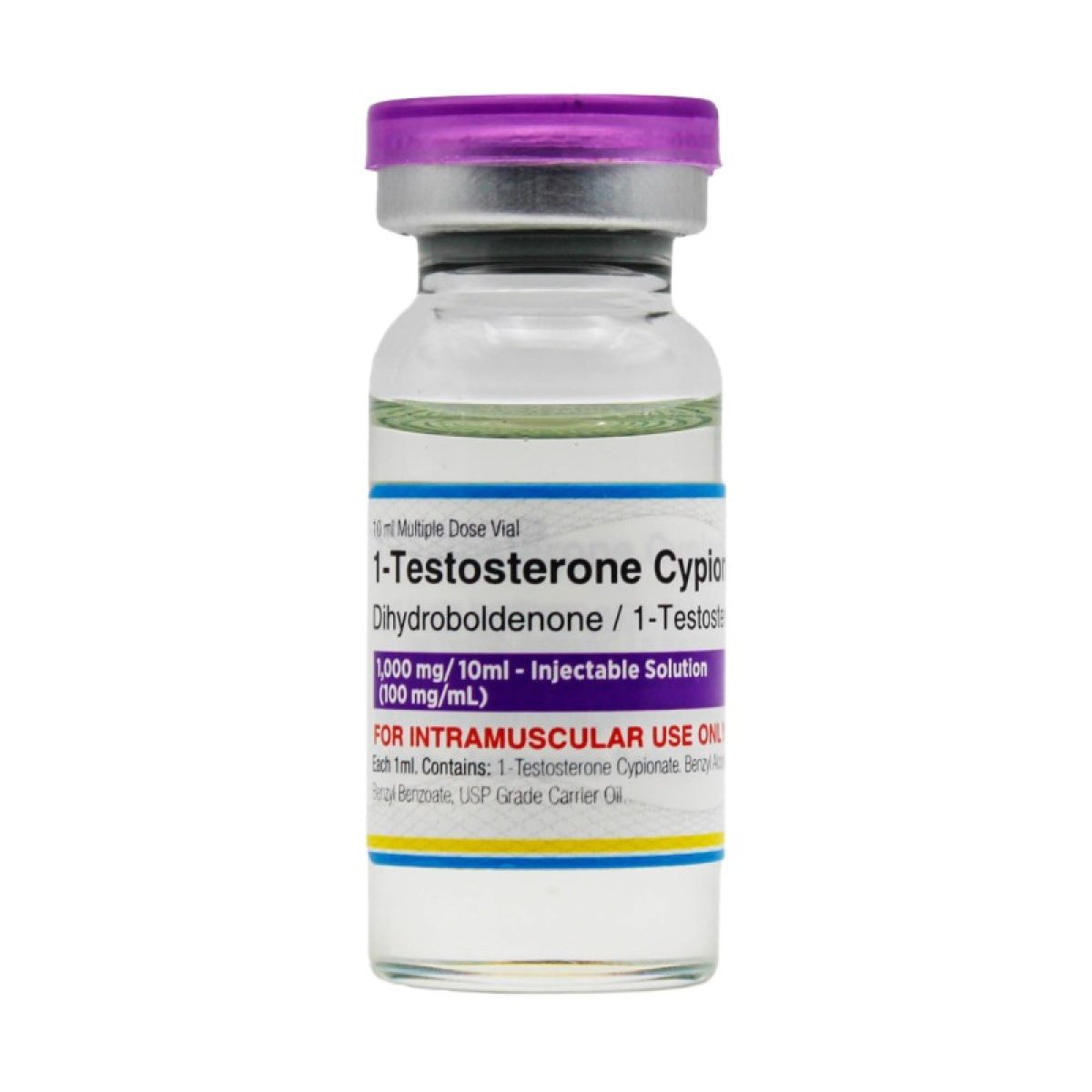
1-Testosterone Cypionate is a synthetic anabolic steroid featuring a cypionate ester chain, engineered for extended research applications in laboratory environments. This compound represents a derivative of dihydroboldenone (1-testosterone) modified with cypionate esterification to provide sustained release characteristics in experimental protocols. Stroid UK Shop investigate this compound’s unique androgenic properties and receptor binding mechanisms through controlled laboratory studies.
Laboratory Research Applications
Scientists examine 1-Testosterone Cypionate in muscle tissue research, studying its selective androgen receptor modulation compared to traditional testosterone compounds. The cypionate ester modification allows for prolonged study periods, making it valuable for long-term cellular response investigations. Research protocols typically focus on protein synthesis pathways, nitrogen retention mechanisms, and anabolic versus androgenic activity ratios. Laboratories studying testosterone cypionate compounds often compare this derivative’s tissue-selective properties against conventional anabolic steroids.
Technical Specifications
| Parameter | Specification |
|---|---|
| Chemical Name | 17β-Hydroxy-5α-androst-1-en-3-one cypionate |
| CAS Number | Verify with supplier |
| Molecular Formula | Verify with supplier |
| Molecular Weight | Verify with supplier |
| Storage Conditions | Cool, dry place away from light |
| Research Grade | Laboratory use only |
Additional analytical studies examine this compound alongside other research chemicals including selective androgen receptor modulators and research peptides to understand comparative mechanisms of action across different molecular classes.
Research Compliance Statement
1-Testosterone Cypionate Pharmaqo is manufactured exclusively for in-vitro laboratory research purposes. This compound is not intended for human consumption, therapeutic use, or any application outside controlled laboratory environments. Researchers must comply with institutional safety protocols and regulatory guidelines governing research chemical handling procedures.